Social media platforms change their rules, algorithms and reach all the time. Your email list is different. It is a direct line to people who have asked to hear from you, and it belongs to you. For a small business, a modest list of interested subscribers is one of the most valuable assets you can build.
Why an Email List Matters
- You own it. You are not dependent on an algorithm that decides who sees your posts.
- It reaches people who are interested. Subscribers chose to hear from you.
- It is inexpensive. Many tools have free or low-cost plans for small lists.
- It builds relationships. Regular, useful messages keep your business in mind.
- It supports sales. Announcements and offers sent to a warm audience often convert better than cold advertising.
Start With Permission
This is the foundation of an honest, effective list. Only add people who have clearly agreed to receive your emails.
- Never buy or scrape lists. Emailing strangers is unwelcome, damages your reputation, often breaks the law and rarely works.
- Be clear about what people are signing up for, and how often you will write.
- Include an easy unsubscribe link in every email, and honor requests quickly.
- Protect their data. Store it securely and never share or sell it without permission.
- Know the rules where you operate. Laws such as GDPR in Europe and similar regulations elsewhere set requirements for consent, privacy and unsubscribing.
Step 1: Pick an Email Service
You need a tool that stores your subscribers, sends emails and handles unsubscribes. Many services offer free plans for small lists. When you compare them, look for:
- Simple signup forms you can place on your website
- Easy-to-use email templates
- Automation for a welcome email
- Basic reports on opens and clicks
- Clear pricing as your list grows
- Good deliverability, so your emails reach the inbox
Choose one tool and learn it well, rather than switching often.
Step 2: Give People a Reason to Subscribe
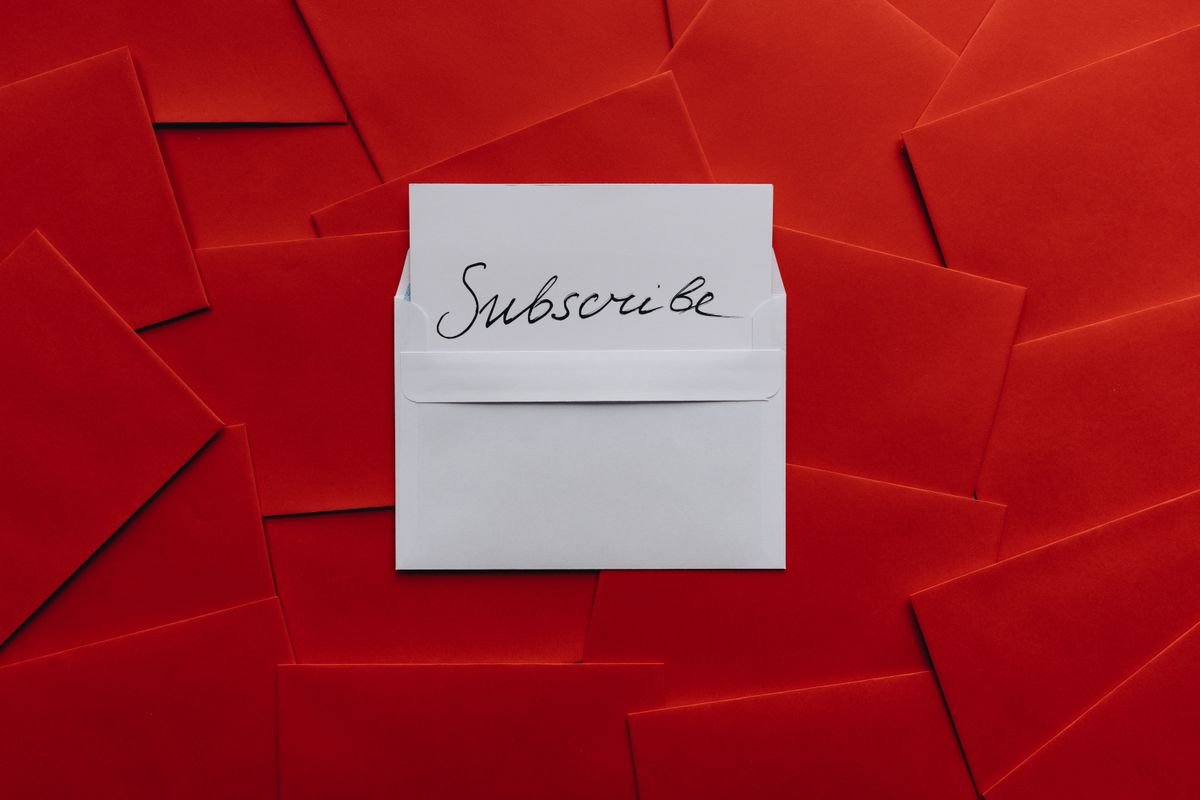
“Subscribe to our newsletter” is a weak invitation. People want to know what they will get. Offer something useful, often called a lead magnet.
- A short checklist or guide related to your business
- A discount on the first order, if it fits your business
- A simple recipe, template or planner
- A mini email course, with tips delivered over a few days
- Early access to new products or announcements
A florist might offer a seasonal flower care guide. A consultant could offer a one-page planning template. An online shop could offer a small first-purchase discount and early access to new items.
Step 3: Make Signing Up Easy
Place signup forms where interested people already are.
- Your website. Add a form to your home page, your blog posts and your footer.
- Checkout or contact page. Offer an optional tick box for updates.
- In person. A sign-up sheet or QR code at your shop or events.
- Social media. Put a link in your profile, and mention your list now and then.
- Your email signature. A short line with a link costs nothing.
Keep forms short. Asking for just a name and an email address gets more signups than a long list of questions.
Step 4: Send a Welcome Email
The first message is the one most likely to be opened. Send it immediately after someone signs up.
- Thank them for joining.
- Deliver whatever you promised, such as the guide or discount code.
- Introduce yourself and your business briefly and warmly.
- Explain what to expect and how often you will write.
- Invite them to reply with questions. A real conversation builds trust.
Step 5: Decide What to Send and When
Consistency matters more than frequency. Choose a rhythm you can maintain, such as one email every one or two weeks, and keep to it.
A good mix of content might include:
- Useful tips and advice related to your products or services
- Stories and behind-the-scenes updates that show the people behind the business
- Customer stories or results shared with permission
- New products, offers and announcements
A helpful rule of thumb is to make most of your emails useful or interesting, and only some of them directly promotional. Subscribers stay when they feel they are getting value.
Write Emails People Want to Read
- Use a clear subject line. Be specific and honest. Avoid misleading or shouting.
- Write like a person. Short sentences, plain words and a friendly tone.
- One main idea per email.
- One clear call to action, such as “Read the guide” or “Order now.”
- Make it easy to read on a phone. Most people open email on mobile.
- Proofread. Typos and broken links damage trust.
Keep Your Emails Out of the Spam Folder
- Send from a consistent, recognizable name and address.
- Follow your email tool’s guidance on authenticating your domain.
- Avoid spam-style tricks, such as capital letters, excessive exclamation marks and misleading subject lines.
- Send only to people who asked to hear from you.
- Remove subscribers who never open your emails after a long time, or ask them if they still want to hear from you.
Measure What Matters
- List growth: how many new subscribers join each month.
- Open rate: how many people open your emails. Treat this as a rough guide, since privacy features can distort it.
- Click rate: how many click on a link. This shows real interest.
- Unsubscribes: a few are normal. A sudden rise means something is wrong.
- Replies and sales: the signs that your list is working.
Common Mistakes
- Waiting until the list is “big enough” to begin
- Emailing only when you want to sell
- Sending too rarely, so people forget you
- Forgetting the unsubscribe link
- Making forms long and complicated
- Buying contact lists
Frequently Asked Questions
How many subscribers do I need?
There is no minimum. Even 50 engaged subscribers can produce real results for a small business.
How often should I email?
Weekly or every other week works for many businesses. Choose a schedule you can keep.
Is a newsletter better than social media?
They work well together. Social media helps people discover you, and email helps you stay in touch.
Do I need a lawyer?
Not to begin, but learn the consent and privacy rules in your country, and consult a professional if you handle sensitive data or large volumes.
The Takeaway
Choose a simple email tool, offer something useful in return for a signup and ask for permission openly. Welcome new subscribers warmly, and send regular, honest and helpful messages. A respectful email list grows slowly, but it becomes one of the most dependable ways to reach your customers.
This article is general information, not legal advice. Check the data protection and email marketing rules that apply where you operate.