Retinol has a reputation as skincare’s most effective ingredient and its most unforgiving one. Both are true. The difference between a smoother complexion and a red, flaky face usually comes down to how you start.
What Retinol Actually Does
Retinol is a form of vitamin A and part of a family called retinoids. Once it is on your skin, enzymes convert it step by step into retinoic acid, the active form. That acid speeds up cell turnover, supports collagen production and helps keep pores clear.
Over months, many people see softer fine lines, a more even tone and fewer breakouts. Prescription retinoids, such as tretinoin, skip some of the conversion steps and work faster and harder. Over-the-counter retinol is milder and slower, which is exactly why it suits beginners.
Why It Causes Irritation
Your skin needs time to adjust to the increased turnover. In the first weeks, dryness, tightness, mild redness and light peeling are common. Dermatologists sometimes call this the adjustment period, and it usually eases as the skin adapts.
Mild is the key word. Stinging, burning, swelling or raw patches are signs to stop and rest your skin, not to push through.
A Gentle Starting Plan
- Pick a low strength. Beginner products often sit somewhere between 0.1 and 0.3 percent, ideally in a formula that also contains soothing, moisturizing ingredients.
- Start with two nights a week. Choose nights that are not back to back, and stay there for two weeks.
- Cleanse, then let your skin dry. Damp skin absorbs more product, which raises the risk of irritation.
- Use a pea-sized amount. That is enough for the whole face. Keep it away from the corners of the nose, the corners of the mouth and the eyelids.
- Follow with moisturizer. If your skin is sensitive, apply a thin layer of moisturizer first, then the retinol, then more moisturizer. This is often called the sandwich method.
- Increase slowly. If your skin feels comfortable after a few weeks, move to every other night. Plenty of people stay at that level for good, and that is perfectly fine.
Patience matters here. Results build over several months, not days, so there is no prize for going faster.
Sun Protection Is Not Optional
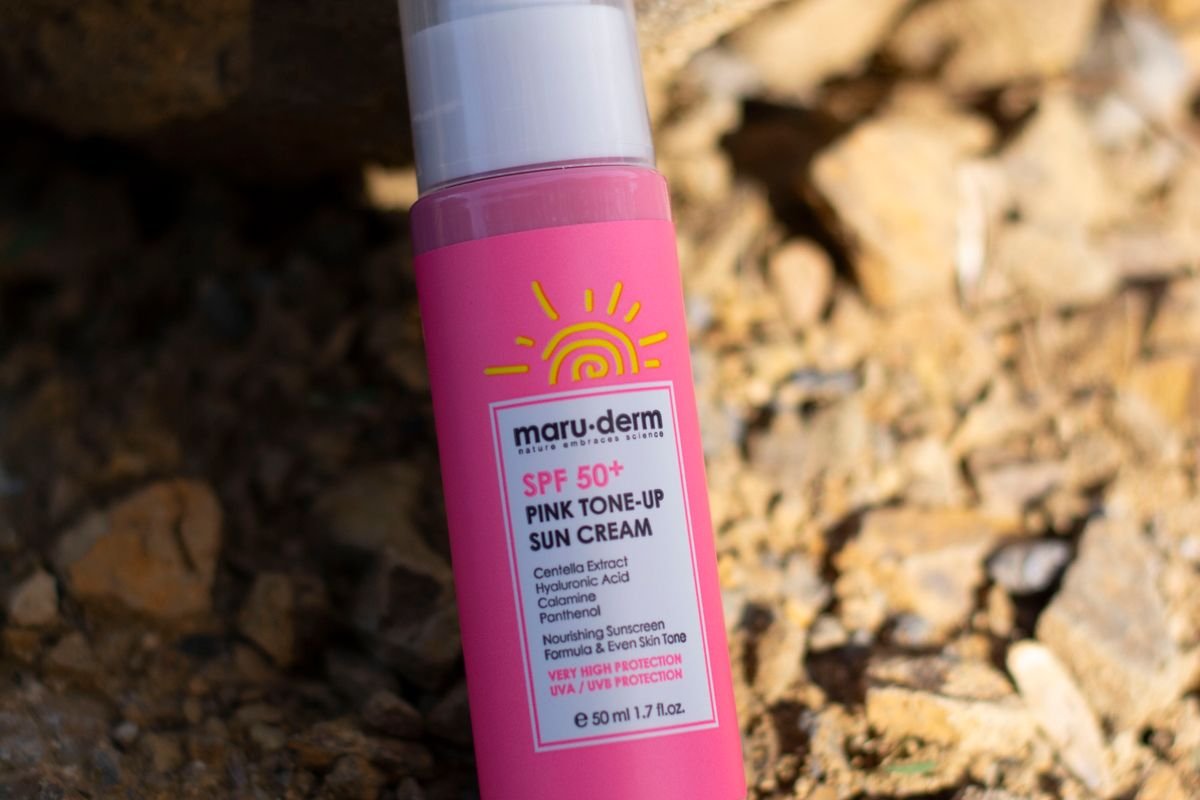
Use retinol in the evening, because light can break it down. In the morning, wear a broad spectrum sunscreen every day. Skin that is renewing itself quickly is more easily irritated by sun exposure, and the sun undoes much of the progress you are working toward.
What to Keep Away From Your Retinol Nights
When you are starting out, give your skin one active job at a time.
- Harsh scrubs and strong exfoliating acids
- Peels and other intensive treatments
- Waxing or hair removal on areas where you apply retinol
A simple routine works best: gentle cleanser, retinol, moisturizer at night, then sunscreen in the morning. Vitamin C in the morning is a common pairing that most people tolerate well.
Who Should Wait or Ask a Doctor First
Retinoids are generally avoided during pregnancy, while trying to conceive and while breastfeeding, so ask your doctor before using them. The same goes if you have eczema, rosacea, a very sensitive skin barrier or any active skin condition. A dermatologist can help you choose the right product and strength.
Troubleshooting Common Problems
- Peeling or tightness: use it less often, apply more moisturizer and pause for a few days if needed.
- A few new breakouts: some people see a temporary flare while skin adjusts. If it does not settle after several weeks, check in with a dermatologist.
- Burning or swelling: stop using it and let your skin recover before trying again at a lower frequency.
Frequently Asked Questions
Should I use retinol in the morning or at night?
Night is the better choice. Retinol can degrade in sunlight, and your skin repairs itself while you sleep. Sunscreen then does the daytime protecting.
How long until I see results?
Many people notice changes in texture within a few weeks and in tone and fine lines after several months of steady use. Everyone’s skin responds at its own pace.
What is the difference between retinol and a retinoid?
Retinoid is the umbrella term. Retinol is one gentler, over-the-counter member of that family. Prescription options such as tretinoin are stronger.
Can I use it around my eyes?
The skin there is thin and delicate. Use a product made for the eye area, or keep your regular retinol away from the lids and apply it only beyond the bone around the eye.
The Takeaway
Start low, go slow and protect your skin from the sun. A pea-sized amount twice a week, followed by moisturizer, will get you further than any aggressive routine. Think of retinol as a long-term habit rather than a quick fix.
This article is general information, not medical advice. Please consult a doctor or dermatologist about your own skin, especially if you are pregnant or have a skin condition.