Brittle, splitting, peeling nails are frustrating, and many of the usual causes are things we do ourselves without noticing. The encouraging part is that most nail problems respond well to a gentle routine. You do not need harsh treatments or expensive products. You need good habits and a little patience.
What Nails Are Made Of
Nails are made of keratin, the same protein found in hair and skin. They grow from the nail matrix under the cuticle, and the part you see is made of hardened, dead cells. Fingernails grow roughly 3 millimeters a month, so a fully renewed nail takes several months. This is why improvements take time. The nail you see today reflects your habits from the past few months.
Common Reasons Nails Weaken
- Too much water. Frequent soaking and drying makes nails swell and shrink, which leads to splitting and peeling.
- Harsh chemicals. Strong detergents, cleaning products and frequent acetone removers dry the nail out.
- Using nails as tools. Opening cans, scraping labels or prying things causes breaks and layers to lift.
- Over-filing or aggressive manicures. Rough filing, buffing too often or cutting the cuticles weakens protection.
- Biting or picking. This damages the nail and the surrounding skin.
- Age and genetics. Nails tend to become more brittle over time.
- Nutrition and health. Poor diet or certain medical conditions can show up in the nails.
Step 1: Trim and Shape Gently
- Keep nails short to medium. Long nails catch and snap more easily.
- Use sharp nail scissors or clippers for length, and a fine-grit file for shaping.
- File in one direction, from the edge toward the center, not back and forth like a saw.
- Choose a rounded or softly squared shape. Sharp corners snag.
- Smooth the edges after cutting, to prevent catching.
Step 2: Protect Your Cuticles
The cuticle is a seal that keeps germs out of the matrix, where the nail grows. Avoid cutting it. If you want to tidy it, soften it first with a warm, damp cloth and gently push back loose skin with a soft tool. Never force it, and skip it entirely if your cuticles are sore or inflamed.
Step 3: Moisturize Every Day
This is the single most useful habit. Nails and the skin around them need regular moisture.
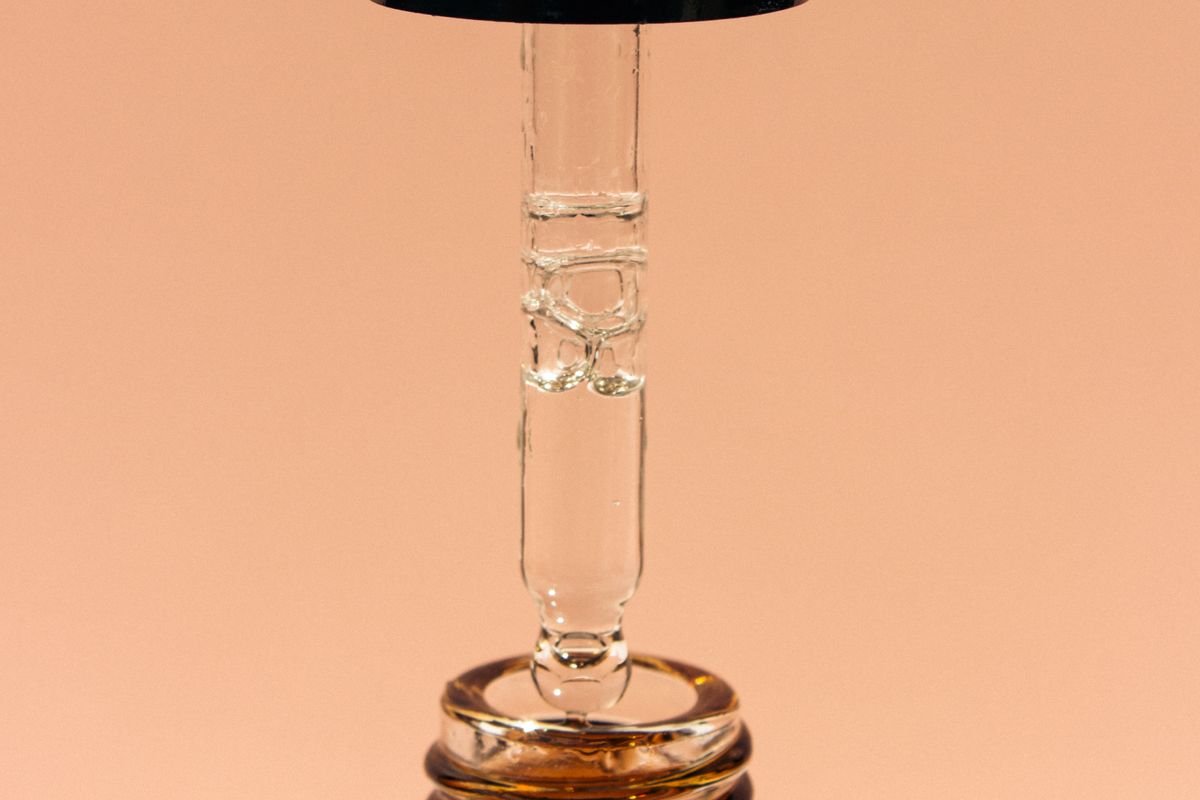
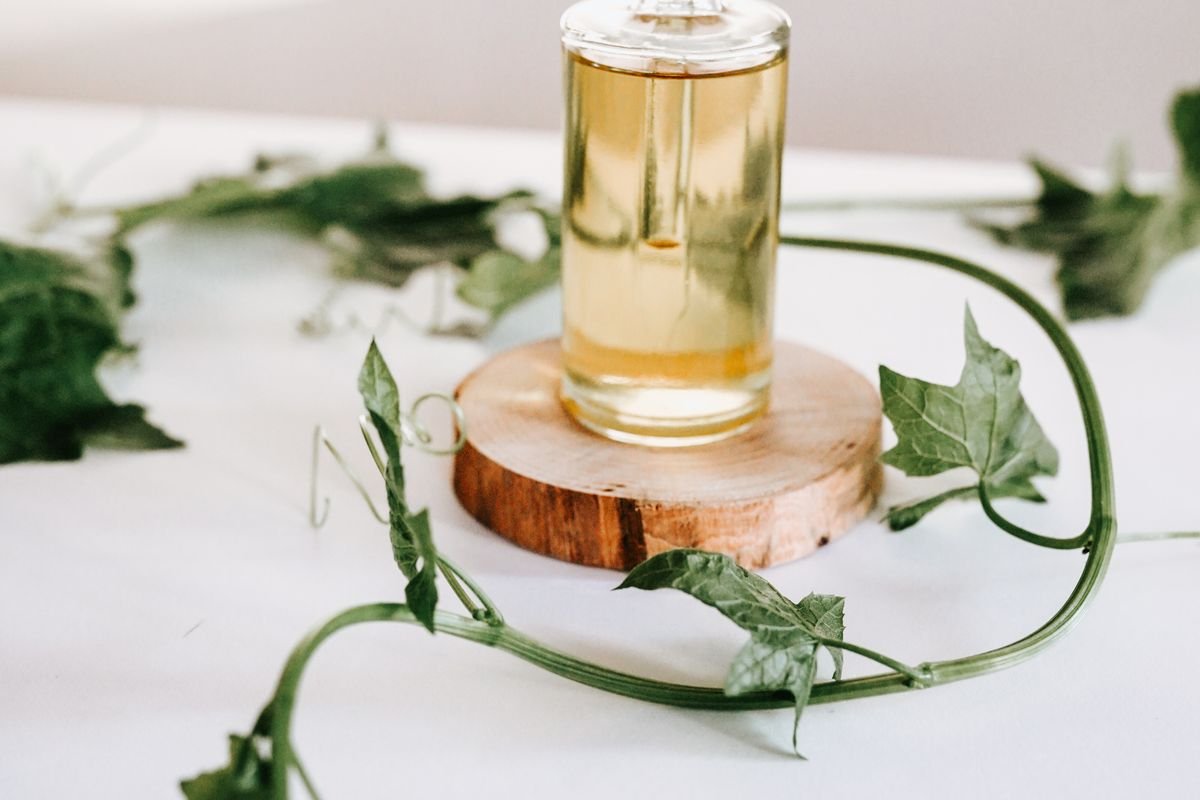
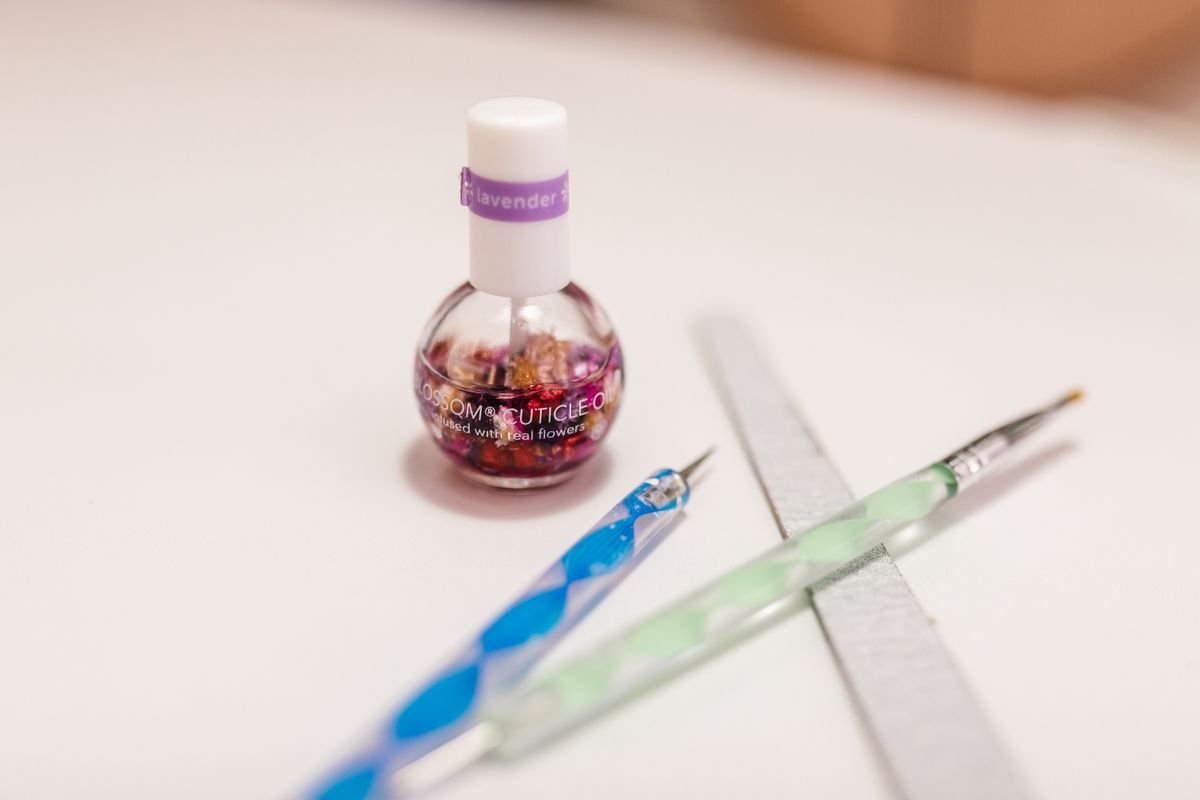
- Rub a few drops of cuticle oil, or a plain oil such as jojoba or almond, into the nails and cuticles once or twice a day.
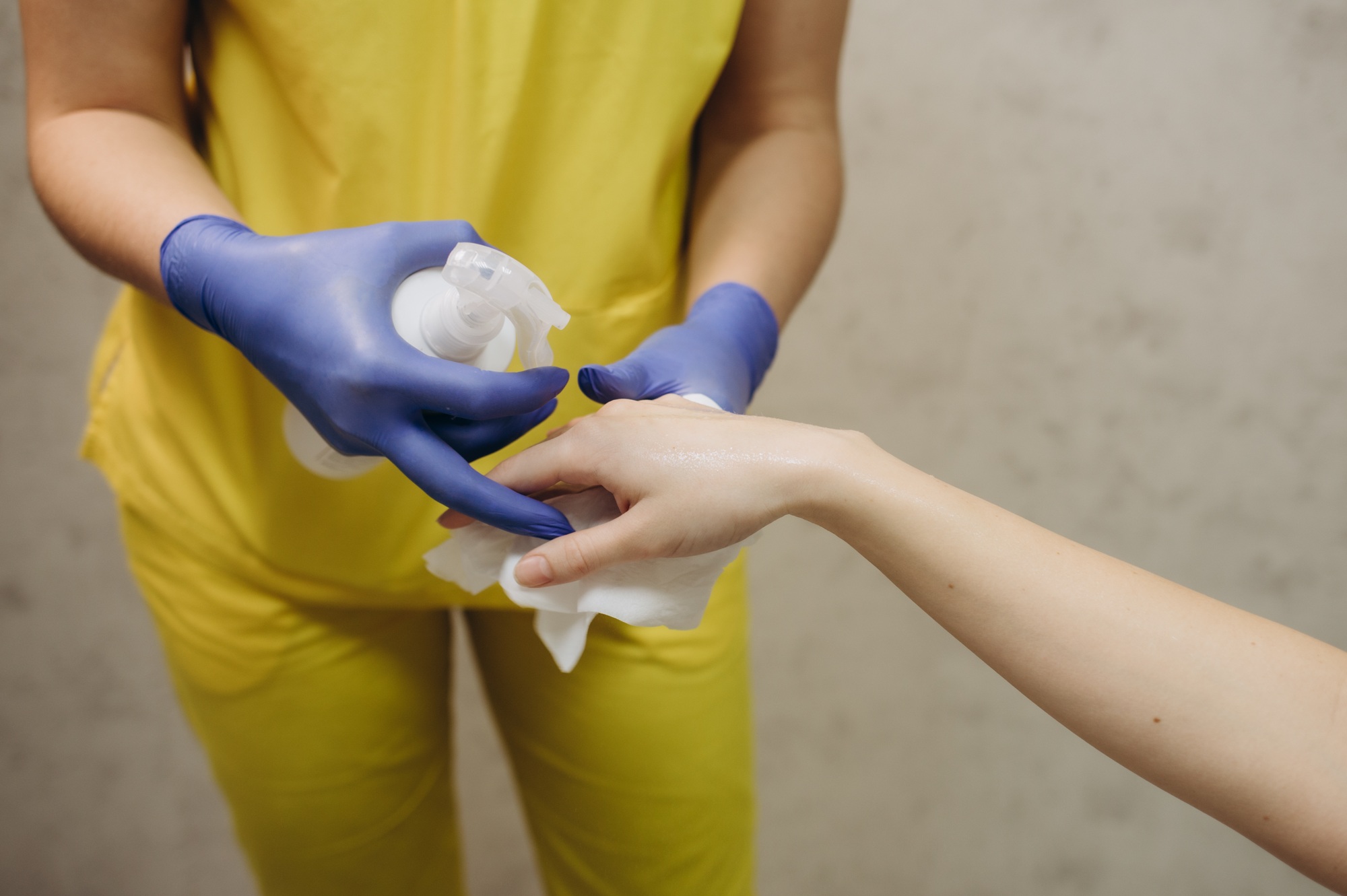
- Apply hand cream after every hand wash, working it into the nail area.
- Use a richer balm or petroleum jelly at night, and wear thin cotton gloves if you like.
Choose fragrance-free products if your skin is sensitive, and avoid oils you are allergic to, such as nut oils if you have a nut allergy.
Step 4: Wear Gloves
Gloves are an easy way to prevent damage. Use rubber gloves with a cotton lining for washing dishes, cleaning and handling chemicals, and warm gloves in cold weather. This reduces water exposure and contact with harsh products.
Step 5: Go Easy on Polish and Removers
- Take breaks between polishes, so your nails can breathe and recover.
- Choose acetone-free removers when possible, and use them sparingly.
- Do not peel polish off. It takes layers of the nail with it. Remove it properly.
- Use a protective base coat if you wear polish regularly.
- Be cautious with “nail hardeners.” Some make nails stiffer and more likely to snap.
Step 6: Eat Well and Stay Hydrated
Nails reflect your general health. A balanced diet with enough protein, iron, zinc and healthy fats supports strong nails. Eat plenty of vegetables, fruit, eggs, legumes, nuts, fish and whole grains, and drink enough water.
Biotin supplements are popular, but evidence for them is limited and they can interfere with some laboratory tests. Speak to a doctor before taking supplements, especially if you suspect a deficiency.
Step 7: Break Bad Habits
- Stop using your nails as tools. Keep a small tool nearby instead.
- If you bite your nails, try keeping them short, wearing a bitter-tasting polish or keeping your hands busy with a small object.
- Avoid picking at your cuticles or the skin around your nails.
A Simple Weekly Routine
- Daily: moisturize with oil or cream, wear gloves for wet work.
- Every week: trim and file gently, and remove any polish with an acetone-free remover.
- Every month: take a polish-free week and check your nails for changes.
When to See a Doctor
Nails can signal health problems. See a doctor or dermatologist if you notice:
- A change in color, such as yellow, green, white patches or dark streaks
- Thickening, crumbling or lifting from the nail bed, which may indicate a fungal infection
- Pitting, deep ridges or sudden changes in shape
- Pain, swelling, redness or pus around the nail
- A new dark line under the nail, especially if it widens, since it needs medical assessment
Frequently Asked Questions
How long until my nails look healthier?
Because nails grow slowly, expect to see improvement over two to three months of consistent care.
Are white spots a sign of calcium deficiency?
Usually not. Small white spots are most often caused by minor injury to the nail.
Is it bad to buff my nails?
Occasional light buffing is fine, but frequent buffing thins the nail.
Do gel and acrylic nails ruin nails?
They can, especially if removed improperly or worn constantly. Take breaks, and have them removed by a professional.
The Takeaway
Keep your nails short and smooth, moisturize daily, wear gloves for wet and dirty work and give them breaks from polish and removers. Eat well, avoid using your nails as tools and pay attention to changes. Strong nails are mostly the result of small, consistent habits.
This article is general information, not medical advice. See a doctor if you notice persistent or unusual nail changes.