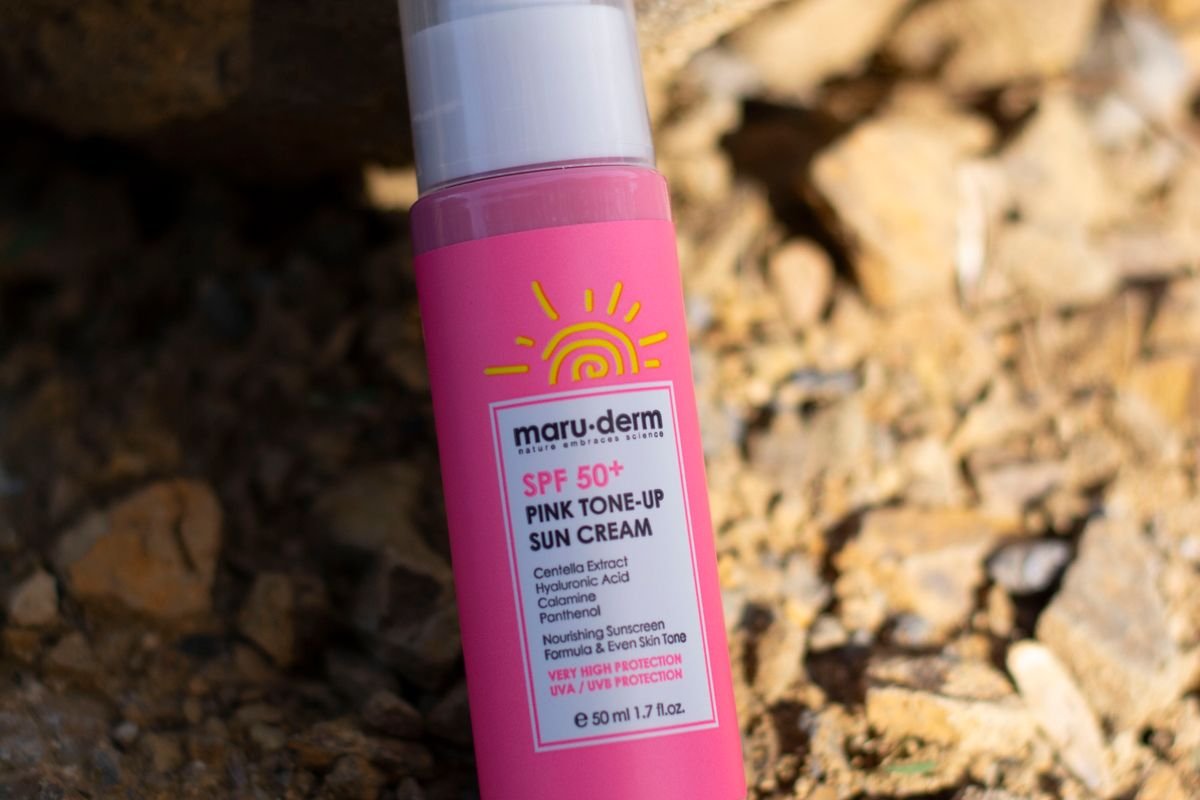
You pick up a bottle in the pharmacy aisle and see SPF 50+ and PA++++ on the label. More symbols must mean better protection, right? Partly. The full story is a little more interesting, and understanding it helps you choose a product you will actually use.
What SPF Actually Measures
SPF stands for sun protection factor. It tells you how well a product shields skin from UVB rays, the type responsible for sunburn. In lab tests, researchers compare how long skin takes to redden with and without the product.
The percentages are roughly these: SPF 15 filters out about 93 percent of UVB, SPF 30 about 97 percent, and SPF 50 about 98 percent. So the jump from 30 to 50 is small. Nothing blocks 100 percent.
Here is the catch. Lab tests use a thick, even layer, usually more than people spread on in real life. The number on the bottle is a best-case ceiling, not a promise.
What PA Ratings and “Broad Spectrum” Add
UVA rays reach deeper into the skin. They contribute to premature aging and uneven pigmentation, and they pass through clouds and most window glass. SPF says nothing about them.
That is where the other labels come in:
- Broad spectrum means the product has been tested for UVA protection as well as UVB.
- PA+ to PA++++ is a rating system common on products from Japan, Korea and other parts of Asia. More plus signs mean stronger UVA protection.
For daily use, look for broad spectrum SPF 30 or higher. If you spend long hours outdoors, a PA+++ or PA++++ rating is a useful extra signal.
Mineral or Chemical Filters?
Sunscreens use two families of filters. Mineral filters, such as zinc oxide and titanium dioxide, work mainly by sitting on the skin and scattering or absorbing UV light. Chemical filters absorb UV and convert it to a small amount of heat.
- Mineral formulas are often better tolerated by sensitive or reactive skin, though they can leave a pale cast.
- Chemical formulas tend to feel lighter and blend in more easily, which matters if you wear sunscreen every day.
Neither type is “better” in every case. The best sunscreen is the one you enjoy applying, because the one that stays in the drawer protects nobody. If your skin reacts easily, a fragrance-free formula is a sensible starting point.
How Much to Apply
This is where most people fall short. A commonly recommended amount is about a quarter of a teaspoon for the face and neck, or roughly two finger-lengths of product. For the whole body, the usual guidance is around two tablespoons.
A few habits make a real difference:
- Apply it as the last step of your skincare routine, before makeup.
- Put it on about 15 minutes before going outside so it can settle.
- Reapply every two hours when you are outdoors, and again after heavy sweating or towel drying.
- Do not skip the ears, the back of the neck, the hands and the tops of the feet.
Sunscreen works best as part of a bigger plan. Shade, a wide-brimmed hat, a light scarf and loose, long-sleeved clothing all reduce exposure without relying on a single product.
Common Mistakes
- Using too little. A thin smear gives far less protection than the label suggests.
- Relying on makeup with SPF. Nobody applies enough foundation to reach the stated number.
- Using an old bottle. Check the expiry date or the open-jar symbol, and throw out anything that smells or looks different.
- Skipping cloudy days. UVA reaches you in overcast weather too.
- Storing it in a hot car. Heat can break down the filters.
Frequently Asked Questions
Is SPF 100 worth buying?
The extra protection over SPF 50 is tiny. Applying enough, evenly, and reapplying on time matters far more than chasing a bigger number.
Do darker skin tones need sunscreen?
Yes. More melanin gives some natural protection, but it does not remove the risk of sun damage, uneven pigmentation or skin cancer.
Do I need sunscreen indoors?
If you sit next to a window for hours, UVA can still reach exposed skin, so a daily layer on the face and hands is reasonable. In a room with no direct daylight, it is less necessary.
Can I use last year’s bottle?
Only if it is within its expiry date, has been stored away from heat, and looks and smells normal. When in doubt, replace it.
The Takeaway
Choose a broad spectrum formula with SPF 30 or higher and good UVA protection, in a texture you like. Apply more than feels necessary, and reapply when you are outside. Consistent, generous use beats a perfect label every time.
This article is general information, not medical advice. Check with a doctor or dermatologist about sunscreen for babies under six months, or if you have a skin condition.