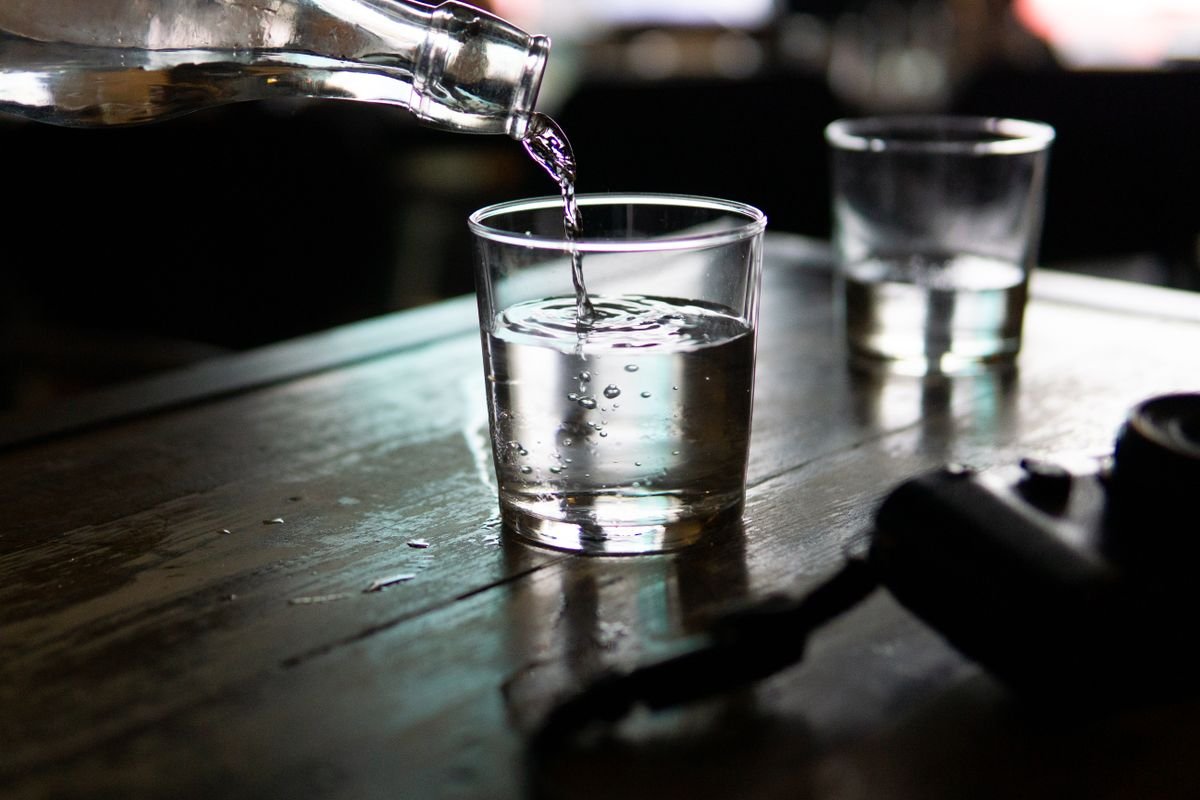
Eight glasses a day sounds scientific. In reality, it is closer to a tidy slogan than a measured requirement. Your actual needs shift with your body, your day and even the weather, so a more flexible approach works better.
Where the Eight-Glasses Rule Comes From
Nobody can point to a single study that proved it. The idea is often traced back to a mid-century nutrition guideline that suggested adults need roughly two and a half liters of water a day. The same guideline noted that most of that water already comes from food, a detail that got lost along the way.
So the rule is not harmful. It is just incomplete.
What Your Body Really Needs
Health authorities usually describe total water intake, meaning everything from drinks and food together. The US National Academies, for example, suggest about 2.7 liters a day for women and about 3.7 liters for men, with roughly one fifth coming from food. These are general reference points, not targets to hit exactly.
Your own number depends on several things:
- Body size and age
- Hot or humid weather, and high altitude
- Exercise and heavy sweating
- Illness with fever, vomiting or diarrhea
- Pregnancy and breastfeeding, which raise fluid needs
- Very salty or high-protein meals
Simple Signs You Are Drinking Enough
You do not need an app. Your body gives clear hints.
- Thirst. For most healthy adults it is a reliable early signal, so drink when you feel it.
- Urine color. Pale straw yellow is a good sign. Dark amber suggests you need more fluid. Some vitamins and medicines change the color, so treat it as a rough guide.
- Dry lips, headache or unusual tiredness. These can point to low fluid intake, although they have many other causes.
Older adults often feel thirst less sharply, so a steady habit of regular drinks helps them more than waiting for the signal.
Water-Rich Foods Count Too
A surprising share of your fluid comes from your plate. Cucumber, lettuce, tomatoes, watermelon, oranges, strawberries and zucchini are all mostly water. So are soups, yogurt and milk.
Tea and coffee also contribute to your fluid intake in moderate amounts. Sugary drinks and sweetened juices hydrate too, but they bring a lot of sugar with them, so plain water and unsweetened options are the better everyday choice.
Easy Habits That Make Drinking Water Automatic
- Drink a glass of water soon after waking up.
- Keep a bottle where you can see it, on your desk, in your bag or in the car.
- Drink a glass with each meal.
- Add slices of lemon, cucumber or a few mint leaves if plain water feels dull.
- Sip steadily through the day instead of gulping large amounts at once.
- Pair drinks with routines, such as a glass after every phone call or work break, so it becomes a cue rather than a chore.
Can You Drink Too Much?
Yes, although it is uncommon. Drinking very large amounts in a short time can dilute the sodium in your blood, a condition called hyponatremia. It mostly affects endurance athletes and people who force down fluids. Steady sipping is safe for most people.
If you have kidney, heart or liver disease, or take medicines that affect fluids, follow the limits your doctor gives you rather than a general rule.
Frequently Asked Questions
Does coffee dehydrate you?
In moderate amounts, no. Regular coffee drinkers still absorb most of the fluid in the cup. Very large quantities may have a mild diuretic effect.
If I feel thirsty, am I already dehydrated?
Not necessarily. Thirst is an early prompt in healthy adults, and drinking when it appears is usually enough.
Does drinking more water give you better skin?
Evidence is modest. Staying well hydrated supports normal skin function, but extra water will not fix dry skin on its own. A good moisturizer and sun protection do more.
How much should children drink?
Needs vary with age, size and activity, so ask your child’s pediatrician for guidance.
The Takeaway
Forget counting glasses. Drink when you are thirsty, check your urine color, eat plenty of fruit, vegetables and soups, and drink more in hot weather or when you are active. Hydration works best as a calm daily habit, not a numbers game.
This article is general information, not medical advice. Please consult a doctor about your own fluid needs, especially if you have a medical condition.