Hair oiling is a centuries-old habit in many parts of the world, passed from mothers to daughters and fathers to sons. Today it is popular again, but it comes wrapped in big promises, from faster growth to a magical repair. The truth is more modest and more useful. Done right, oiling can make your hair feel softer and look glossier, and it can help protect it from breakage.
What Hair Oiling Can Do
- Reduce friction. A light coating makes hair slide more easily, so combing and washing cause less damage.
- Add shine and softness. Oil smooths the outer layer of the hair and reflects light.
- Protect before washing. Applying oil before shampooing can limit how much protein the hair loses during washing. Some research on coconut oil supports this.
- Feel good. A gentle scalp massage is relaxing and can become a calming weekly ritual.
What It Cannot Do
- Make hair grow faster. Hair grows from the follicle, and growth speed is largely determined by genetics and health. Oil on the surface does not change that.
- Cure hair loss or dandruff. If you are losing a lot of hair or have persistent flaking, ask a doctor or dermatologist.
- Repair split ends. Oil can make them look smoother temporarily, but only trimming removes them.
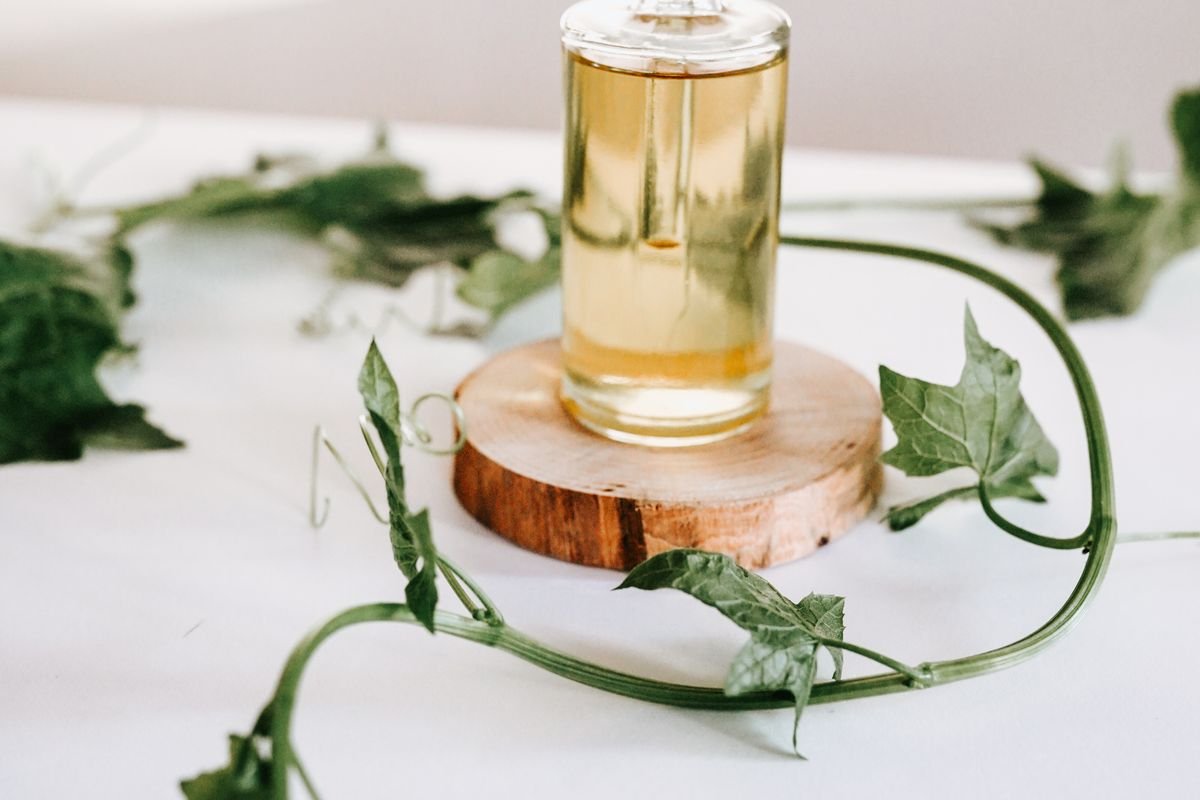
Choosing an Oil
- Coconut oil. One of the best studied. Works well for medium to thick hair, though it can feel heavy on fine hair.
- Argan oil. Light, with a silky finish. Suitable for most hair types.
- Jojoba oil. Similar in feel to the scalp’s natural oils and generally lightweight.
- Olive oil. Rich and nourishing, best for thick, dry or curly hair.
- Almond oil. Light and easy to spread. Avoid it if you have a nut allergy.
- Castor oil. Very thick and sticky. Use sparingly, often mixed with a lighter oil.
Choose plain, cold-pressed oils with no added fragrance. If a product contains essential oils, they must always be diluted, since undiluted essential oils can irritate the skin.
Do a Patch Test First
Any new oil can trigger a reaction in some people. Dab a small amount on the inside of your forearm and wait 24 hours. If you notice redness, itching or swelling, do not use it.
How to Oil Your Hair
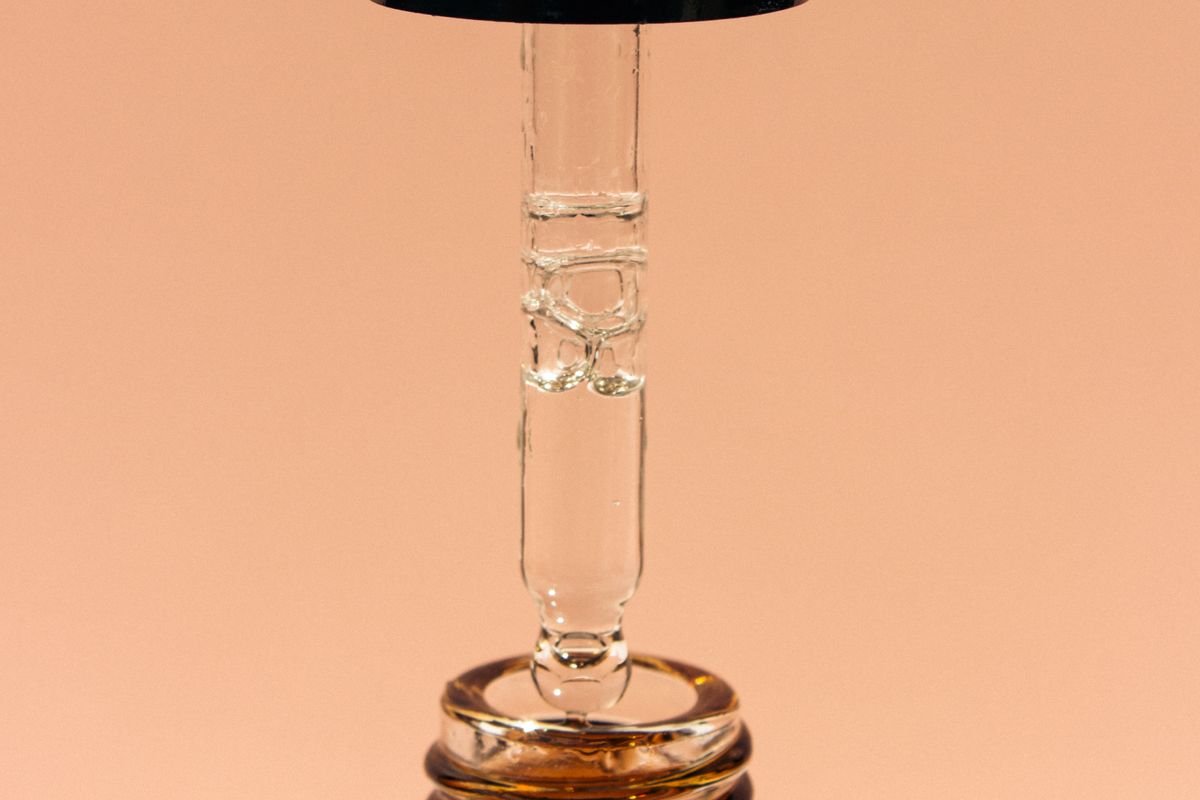
- Warm the oil slightly. Place the bottle in a bowl of warm water for a few minutes. It should feel pleasantly warm, never hot.
- Detangle first. Brush or comb gently so the oil spreads evenly.
- Section the hair. Divide it into four parts to make application easier.
- Apply to the scalp lightly. Use your fingertips and a few drops at a time along the parting. If your scalp is oily, skip this step.
- Massage for about five minutes. Use small circles with your fingertips, not your nails.
- Work the oil through the lengths and ends. The ends are the driest and oldest part of the hair, so focus there.
- Leave it on. Anywhere from 30 minutes to a few hours is enough for most people. Cover your hair with a soft cloth if you like, to protect clothes and furniture.
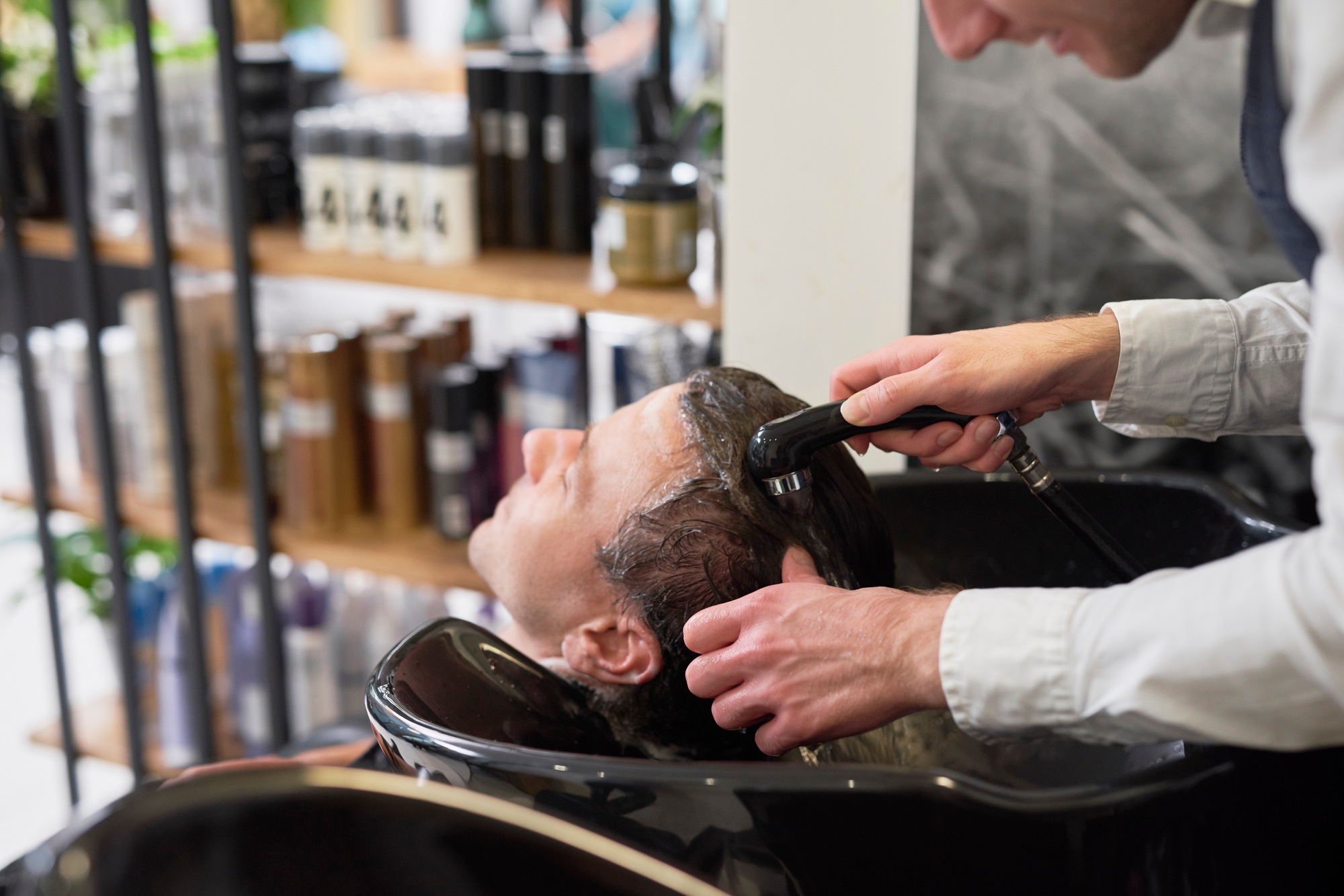
- Wash it out. Apply shampoo to dry, oiled hair first, then add water and lather. You may need to wash twice. Follow with conditioner on the lengths.
How Often?
Once or twice a week suits most people. Very dry or curly hair may enjoy more frequent oiling, while fine or oily hair may need less. If your hair looks limp or your scalp feels greasy, reduce the amount or frequency.
Tips to Avoid Greasy Roots
- Use less than you think you need. You can always add more.
- Focus on the lengths and ends rather than the scalp.
- Choose a lighter oil, such as argan or jojoba, if you have fine hair.
- Rinse thoroughly and shampoo twice if needed.
Who Should Be Careful?
- People with dandruff or scalp conditions. Some oils can feed the yeast linked to flaking and make the problem worse. Ask a dermatologist before oiling your scalp.
- People with oily scalps. Apply oil only to the ends.
- Anyone with allergies. Check ingredients, especially nut-based oils.
- Anyone sensitive to heat. Never use hot oil on your scalp.
Overnight Oiling: Yes or No?
Leaving oil in overnight is popular, but it can clog pores on the scalp, stain bedding and sometimes cause breakouts along the hairline. Shorter treatments of an hour or two give most of the benefits. If you choose to leave it overnight, put a towel over your pillow and avoid heavy application on the scalp.
Frequently Asked Questions
Does oiling prevent hair fall?
It can reduce breakage from combing and washing, but it does not stop shedding caused by hormones, nutrition or health conditions.
Can I use cooking oil?
Plain olive and coconut oils from your kitchen work, as long as they are fresh and unscented. Do not use oil that smells rancid.
Should I oil wet or dry hair?
Both work. Dry hair absorbs oil before washing, while a small amount on damp hair seals in moisture afterwards.
Is oiling good for children’s hair?
A light application is generally fine, but check for allergies, use a mild oil and keep it away from eyes.
The Takeaway
Choose a light, plain oil, apply it mostly to the lengths, leave it for an hour or two and wash it out thoroughly. Do not expect miracles on growth, but do expect softer, shinier, easier-to-manage hair and a relaxing weekly habit.
This article is general information, not medical advice. If you have hair loss, scalp irritation or allergies, speak with a doctor or dermatologist.