When life feels rushed, your breathing is usually the first thing to change. It becomes quick, shallow and high in the chest. The good news is that the connection works in reverse too. Slowing your breath is one of the simplest ways to signal to your body that it is safe to relax. You can do it anywhere, in a few minutes, with no equipment.
Why Breathing Helps
Your breathing is closely linked to your nervous system. Slow, steady breaths, especially with a longer exhale, tend to calm the body’s stress response, slow the heart rate and ease muscle tension. Research suggests that slow breathing practices can help people feel calmer and more focused, although they are not a cure for anxiety or any medical condition. Think of them as a practical, free tool in your wellbeing kit.
Before You Start
- Sit comfortably with a straight but relaxed back, or lie down.
- Loosen tight clothing around your waist.
- Breathe through your nose if it is comfortable.
- Keep the effort gentle. Never strain or force your breath.
- If you feel dizzy or lightheaded, return to normal breathing and rest.
Exercise 1: Belly Breathing
This is the foundation of most breathing practices. It teaches you to use your diaphragm, the large muscle beneath your lungs, instead of your chest and shoulders.
- Place one hand on your chest and the other on your belly.
- Breathe in slowly through your nose for about four seconds. Let your belly rise like a balloon. The hand on your chest should move very little.
- Breathe out gently through your nose or pursed lips for about four to six seconds, feeling your belly fall.
- Repeat for three to five minutes.
Best for: getting started, winding down in the evening and relaxing tense shoulders.
Exercise 2: Box Breathing
Box breathing uses four equal steps, like the sides of a square. The rhythm gives your mind something to follow, which makes it popular for moments of pressure.
- Breathe in through your nose for a count of four.
- Hold your breath gently for a count of four.
- Breathe out slowly for a count of four.
- Pause for a count of four before the next breath.
- Repeat for four to six rounds.
Best for: sharpening focus before a meeting, an exam or a difficult conversation.
A note: if holding your breath feels uncomfortable, shorten the holds or skip them. People with asthma, heart or lung conditions, or who are pregnant, should talk to a doctor before practicing breath holds.
Exercise 3: Extended Exhale Breathing
Making your exhale longer than your inhale is a simple way to encourage calm.
- Breathe in through your nose for a count of four.
- Breathe out slowly through your nose or mouth for a count of six, or even eight if it feels natural.
- Continue for two to five minutes, letting each exhale release a little more tension.
Best for: easing stress, calming an overactive mind and preparing for sleep.
Making It a Habit
Breathing practices work best when they become routine. Link them to something you already do:
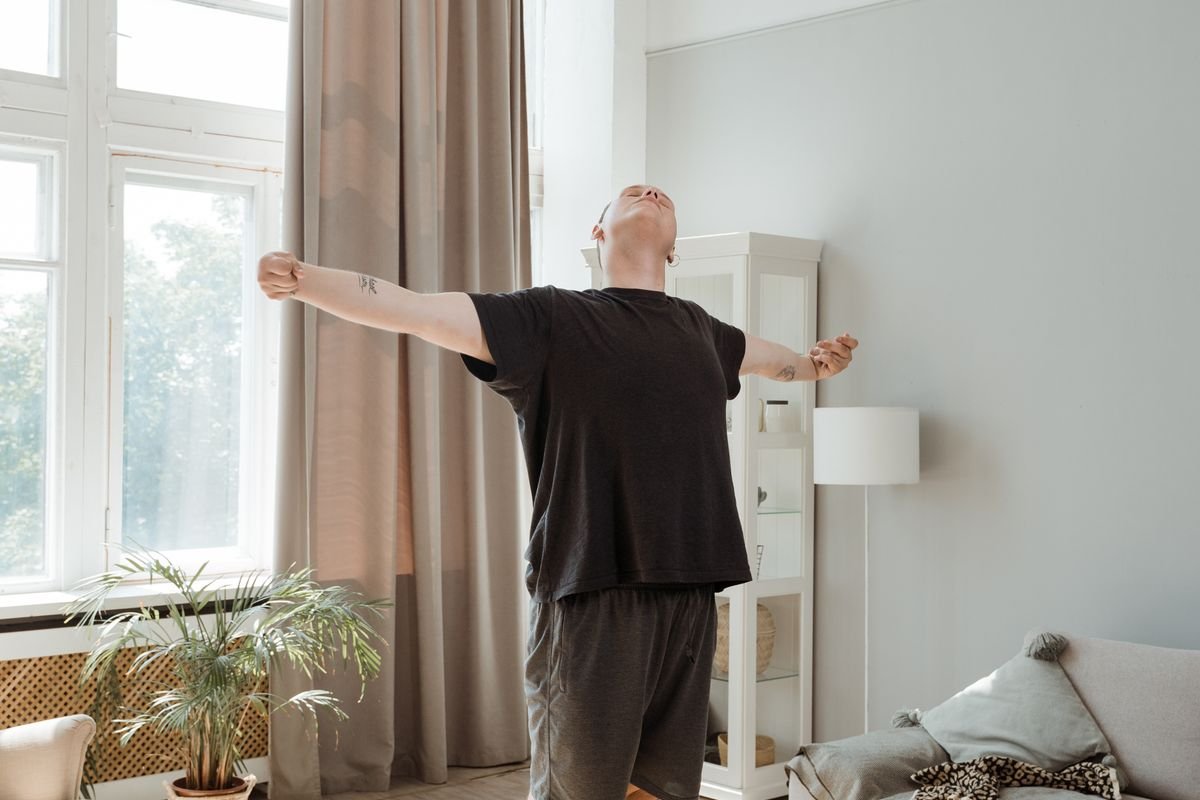
- A few slow breaths after waking up, before you pick up your phone
- Two minutes before starting work or after a long meeting
- While waiting for the kettle, a bus or a red light, if you are not driving distracted
- In bed, as part of your wind-down routine
Start with just two to three minutes a day. A short, regular practice beats a long, occasional one.
Common Mistakes
- Breathing too deeply and too fast. This can cause dizziness. Aim for slow and easy, not big.
- Forcing the count. Adjust the numbers to what feels comfortable. A three-second inhale is as valid as a five-second one.
- Lifting the shoulders. Keep them down and soft.
- Expecting instant results. Some people notice calm quickly, while others need a week or two of regular practice.
- Judging your mind. If your thoughts wander, simply return to the breath without criticism.
When to Seek More Support
Breathing exercises are a useful addition to a healthy life, but they are not a replacement for professional care. If you experience constant anxiety, panic attacks, trouble sleeping for weeks or breathlessness that does not make sense, speak to a doctor or a mental health professional.
Frequently Asked Questions
How long should I practice?
Two to five minutes is enough to begin with. You can extend to ten minutes as it becomes comfortable.
Can I practice lying down?
Yes. Lying down is especially good for belly breathing and for helping you fall asleep.
Do I need to close my eyes?
Only if it helps you. A soft gaze at a spot on the floor works well too.
Are these exercises safe for children?
Gentle belly breathing, perhaps with a toy on the tummy, is a lovely way to teach children to calm down. Skip breath holds for young children.
The Takeaway
You already know how to breathe. These three exercises simply show you how to do it in a way that supports calm: belly breathing to start, box breathing for focus and a longer exhale for relaxation. A few minutes a day can make ordinary stress feel more manageable.
This article is general information, not medical advice. Consult a doctor before trying breath-holding exercises if you have a health condition or are pregnant.