Travel gives you a rare privilege: the chance to step into someone else’s home, town and way of life. How you behave as a guest shapes the experience for you, for the people you meet and for the travelers who come after you. Being respectful does not require perfection. It requires curiosity, humility and a little preparation.
Why Etiquette Matters
- It opens doors. People are warmer and more generous with travelers who show respect.
- It avoids misunderstandings and embarrassment.
- It protects local communities from the strain of careless tourism.
- It makes your own trip richer, because you see more of real life.
Do Your Homework Before You Go
A short amount of research goes a long way.
- Read about the history, customs and values of the place you are visiting.
- Learn about local laws. Rules about photography, public behavior, dress and what you can bring into a country differ widely, and ignorance is rarely accepted as an excuse.
- Check the main religious and public holidays, since shops and services may close or be crowded.
- Find out about tipping, bargaining and payment customs.
- Ask people who have been there recently for advice.
Dress Thoughtfully
Clothing sends a message, and what is acceptable varies from one place to another. As a general principle, dress a little more conservatively than you might at home, especially in smaller towns and rural areas.
- Carry a light scarf or shawl and a lightweight long-sleeved top or long trousers, which are useful for visiting places of worship and for sun protection.
- Choose comfortable, loose clothing in breathable fabrics for hot weather. It is both respectful and practical.
- Observe what local people wear and follow their lead.
- Remove your hat or cover your head as the place requires.
Visiting Places of Worship and Sacred Sites
- Check opening times and visiting rules in advance.
- Dress modestly, cover shoulders and knees, and be prepared to remove your shoes.
- Speak quietly, move slowly and do not disturb worshippers.
- Ask before taking photographs, and obey any signs that prohibit them.
- Do not touch objects or enter restricted areas.
- Treat these places as living spaces of devotion, not only as attractions.
Greet People Properly
Greetings differ across cultures. Some prefer a handshake, others a nod, a hand on the heart or a bow. Watch what local people do, and follow their lead. Wait for others to offer a handshake where physical contact is limited between genders or ages. A warm smile and a polite greeting are understood almost everywhere.
Learn a few basic phrases in the local language: hello, please, thank you, excuse me and goodbye. Even imperfect efforts are appreciated.
Be Mindful With Gestures and Body Language
- Some gestures that are harmless in your country may be rude elsewhere. Pointing, showing the soles of your feet or using your left hand to give or receive items can offend in certain places.
- Keep voices calm in public spaces.
- Avoid public displays of affection that may be unwelcome in local culture.
- Stay patient. Concepts of time, queues and personal space vary.
Photograph With Care
- Ask before photographing people, and respect a refusal.
- Be particularly careful with children, women and elderly people.
- Do not pay people to pose in a way that treats them like attractions.
- Follow rules around government buildings, military sites and religious spaces.
Eat and Drink Respectfully
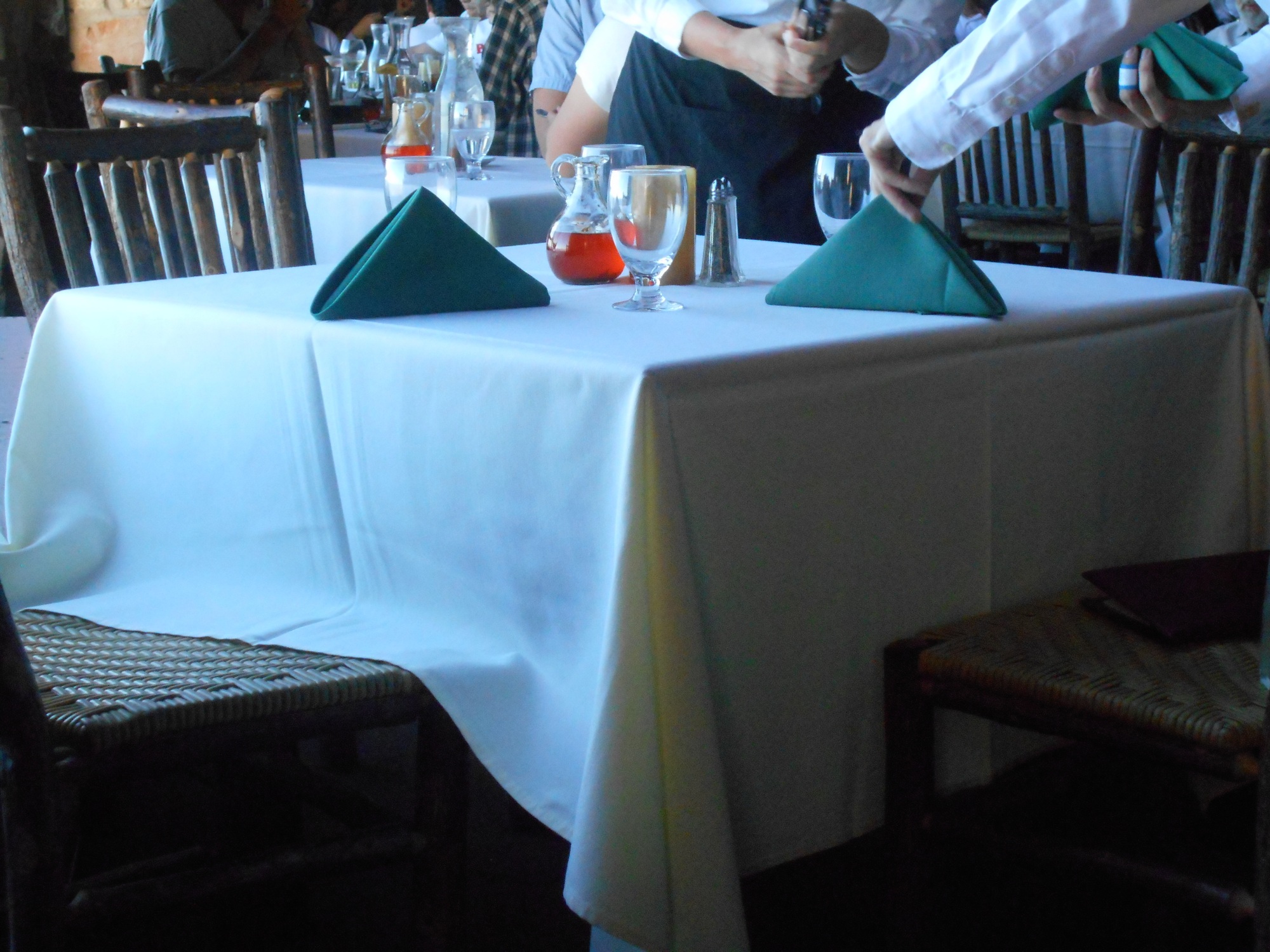
- Observe local dining customs. In some places, you eat with your hands, remove shoes before sitting or wait for the eldest to begin.
- Accept hospitality graciously. If you cannot eat something, explain politely and thank your host.
- Try local food with an open mind, and avoid criticizing it.
- Do not waste food. In many cultures it is considered disrespectful.
- Ask about ingredients if you have dietary needs, and learn a few useful phrases.
Shop and Bargain Fairly
- Learn whether bargaining is expected. Where it is, treat it as friendly conversation, not a battle.
- Do not haggle over tiny sums that mean little to you but matter to the seller.
- Buy directly from local artisans when you can, and ask about the origin of what you buy.
- Avoid products made from endangered animals or plants, and illegal antiquities.
- Tip according to local customs. In some places it is expected, in others it is unusual or even offensive.
Respect People and the Environment
- Take your rubbish with you, and use bins or recycling points.
- Save water and energy, especially in places where resources are limited.
- Stay on paths in nature areas, and do not disturb wildlife.
- Keep noise low in residential neighborhoods, especially at night.
- Avoid activities that exploit animals or people.
Support the Local Community
- Stay in locally owned guesthouses and small hotels.
- Eat at family-run restaurants and shop in local markets.
- Hire local guides and drivers.
- Learn about the place from the people who live there, and listen as much as you speak.
Avoid Stereotypes and Comparisons
- Do not describe a place as “backward” or “strange.” Different does not mean worse.
- Avoid constantly comparing everything with your home country.
- Be curious and ask respectful questions rather than making assumptions.
- Be careful with politics and religion in conversation. Listen before offering opinions.
If You Make a Mistake
Everyone makes mistakes when traveling. Apologize sincerely and simply, ask what you should do differently and move on. Most people are forgiving when they see good intentions.
Frequently Asked Questions
How do I know the dress code?
Check reliable travel resources, ask your accommodation hosts and observe what people wear. When in doubt, dress modestly.
What if I do not speak the language?
Learn basic phrases, use a translation app and rely on a friendly attitude. People appreciate effort.
Is it rude to refuse food?
Refusing politely, with thanks and a brief explanation, is generally acceptable. Accepting at least a small portion can show appreciation.
Should I give money to people who ask?
Think about supporting local charities or buying from local businesses, since that tends to help the community in a more lasting way.
The Takeaway
Research your destination, dress thoughtfully and learn a few words of the language. Ask before photographing, observe local customs and treat people and places with courtesy. A respectful traveler is welcomed warmly, and returns home with deeper memories and friendships.