Flying with children can feel like a test of patience, but it does not have to be. Most problems come from surprises, such as hungry toddlers, long queues and bored seven-year-olds. With a bit of planning, airports and flights become manageable and sometimes even fun.
Before You Book
- Choose flight times wisely. Pick times that match your child’s natural rhythm. Many families find that morning flights work well, and overnight flights suit children who sleep easily.
- Prefer direct flights. Every connection adds stress, and missed connections are especially hard with little ones.
- Allow long layovers. If you must change planes, leave enough time for toilet breaks, meals and a short walk.
- Check airline rules. Look at baggage allowances, stroller policies, child fares and whether a car seat can be used on board.
Prepare Your Child
Children cope better when they know what to expect. A few days before the trip, talk about what will happen: the airport, security, the plane, take-off and landing. Look at pictures or read a story about flying. For younger children, role-play packing a bag, going through security and finding a seat.
Give them a role. A child who carries a small backpack with their own snacks and a favorite toy feels included and responsible.
Documents and Practicalities
- Passports or ID cards for every family member, with copies stored separately
- Any required permission letters, if one parent is traveling alone with the children
- Booking confirmations and contact details
- A list of any medicines your child takes, along with their original packaging
The Carry-On Bag That Saves the Day
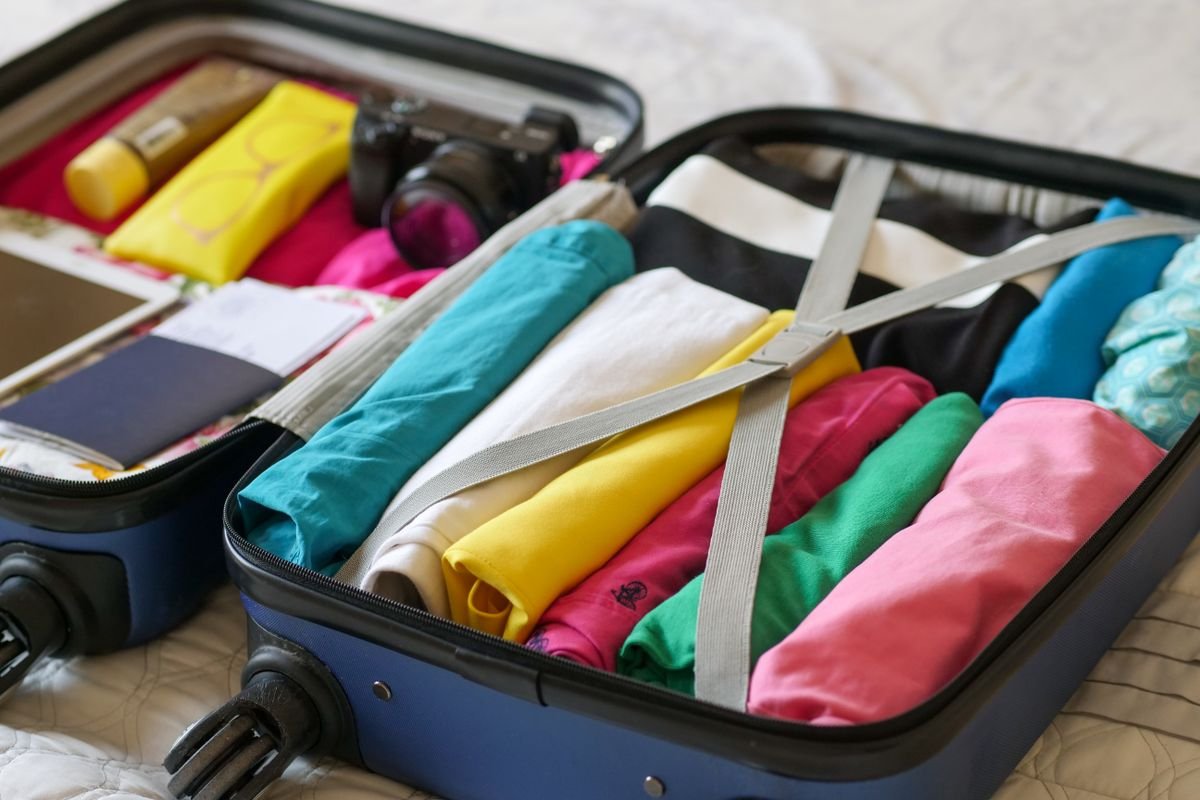
Pack your cabin bag as if your checked luggage might be delayed.
- Snacks. Bring more than you think you need. Choose low-mess options such as fruit, crackers, sandwiches and cut vegetables.
- An empty water bottle. Fill it after security.
- Spare clothes. Pack one full change for each child and a spare top for you.
- Wipes, tissues and a small bag for rubbish.
- Nappies and supplies if you have a baby or toddler, with extra for delays.
- Entertainment. Small toys, coloring books, stickers, a favorite book and a tablet with downloaded shows and games. Bring headphones and a charger.
- A comfort item. A blanket or soft toy helps children settle.
- Basic medicines, as advised by your child’s doctor.
Moving Through the Airport
- Arrive early. Rushing creates stress for everyone, especially children.
- Use a stroller or carrier. Many airports let you take a stroller to the gate, where you can leave it before boarding.
- Prepare for security. Wear easy shoes, keep liquids accessible and expect that children may need to be carried or walked through separately. Ask staff about family lanes.
- Let them burn energy. Before boarding, walk around, play or stretch. A tired child is easier to settle on the plane.
On the Plane
- Take-off and landing. Changes in cabin pressure can make ears uncomfortable. Babies can feed or suck on a bottle or pacifier. Older children can sip water, chew or swallow.
- Keep a simple routine. Offer meals and snacks at their usual times, and let them sleep when they are tired.
- Space out activities. Introduce a new toy or game every half hour or so, instead of all at once.
- Stretch and move. Walk the aisle when the seat belt sign is off, to release energy and prevent stiffness.
- Stay calm. Children pick up on your mood. A relaxed parent makes a big difference.
Dealing With Meltdowns
Even well-prepared families have difficult moments. Try to stay calm and avoid reacting to the glances of other passengers. Most people understand. Use distraction, a snack, a change of scene or a walk. For babies, check the basics: hunger, nappies, temperature and tiredness.
At Your Destination
- Allow a quiet first day to recover. Do not schedule too much.
- Keep bedtimes and meal times close to normal as soon as possible.
- Check that accommodation is safe for children, with covered sockets, secure windows and a suitable bed or cot.
- Choose a few simple activities that suit their age and energy.
Frequently Asked Questions
At what age can a baby fly?
Airlines have their own rules, often from a few days or weeks old. Ask your pediatrician and check the airline policy.
Do children need their own seat?
Under a certain age, babies may travel on a lap, but a separate seat is safer and more comfortable. Rules and prices vary.
How can I help with ear pain?
Feeding, sipping, chewing or swallowing during take-off and landing helps equalize pressure.
What if my child gets airsick?
Keep a spare set of clothes, bags and wipes within reach, and speak to a pharmacist or doctor about remedies suitable for their age.
The Takeaway
Preparation is the secret. Choose flights that suit your family, pack a smart carry-on, prepare your children for what will happen and keep your own expectations flexible. A calm, organized start makes the rest of the journey far more enjoyable.
This article is general information, not medical advice. Please ask your child’s doctor about health questions related to travel.