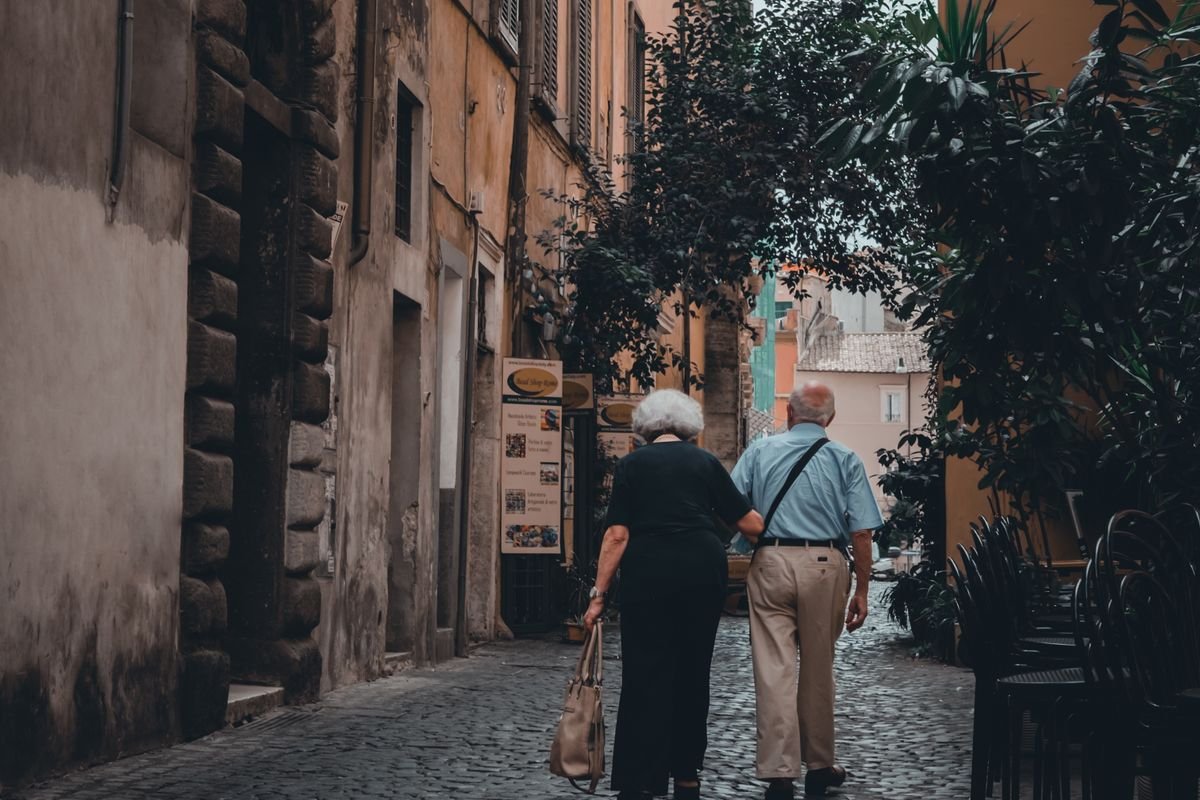
You do not need an expensive camera to bring home beautiful travel photos. The phone in your pocket is more than capable. What makes the difference is not the device but how you use it: light, composition and patience. A few simple habits can lift your photos from forgettable snapshots to memories you are proud to share.
Start With a Clean Lens
This is the easiest tip, and the most overlooked. Phone lenses collect fingerprints, dust and pocket lint, which create hazy, washed-out pictures. Wipe the lens with a soft cloth before you start shooting, and again whenever your photos look slightly foggy.
Understand the Light
Light matters more than any other element in photography.
- Golden hour. The first hour after sunrise and the last hour before sunset give soft, warm light that flatters almost everything. Landscapes and buildings glow.
- Midday sun. Harsh light creates strong shadows and washed-out colors. Look for shade, shoot details such as textures and doorways, or use the time to rest.
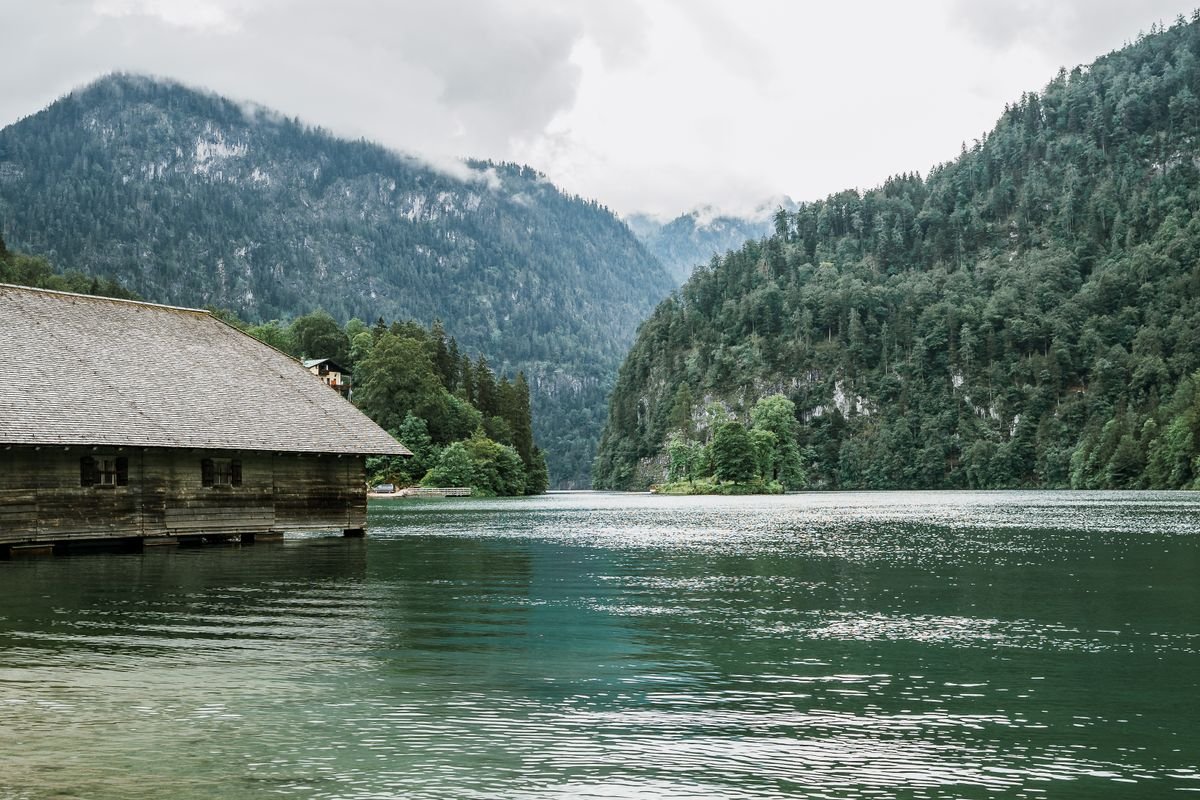
- Overcast days. Clouds act like a giant softbox. They are excellent for portraits, markets and streets, because colors look rich and even.
- Blue hour. The short time just after sunset gives deep blue skies, perfect for cityscapes with lights switched on.
Early mornings also reward you with fewer crowds at popular sites.
Use the Grid and Compose Deliberately
Turn on the grid in your camera settings. It divides the screen into nine equal sections and helps you balance the picture.
- Rule of thirds. Place the main subject along one of the lines or at an intersection, not dead center.
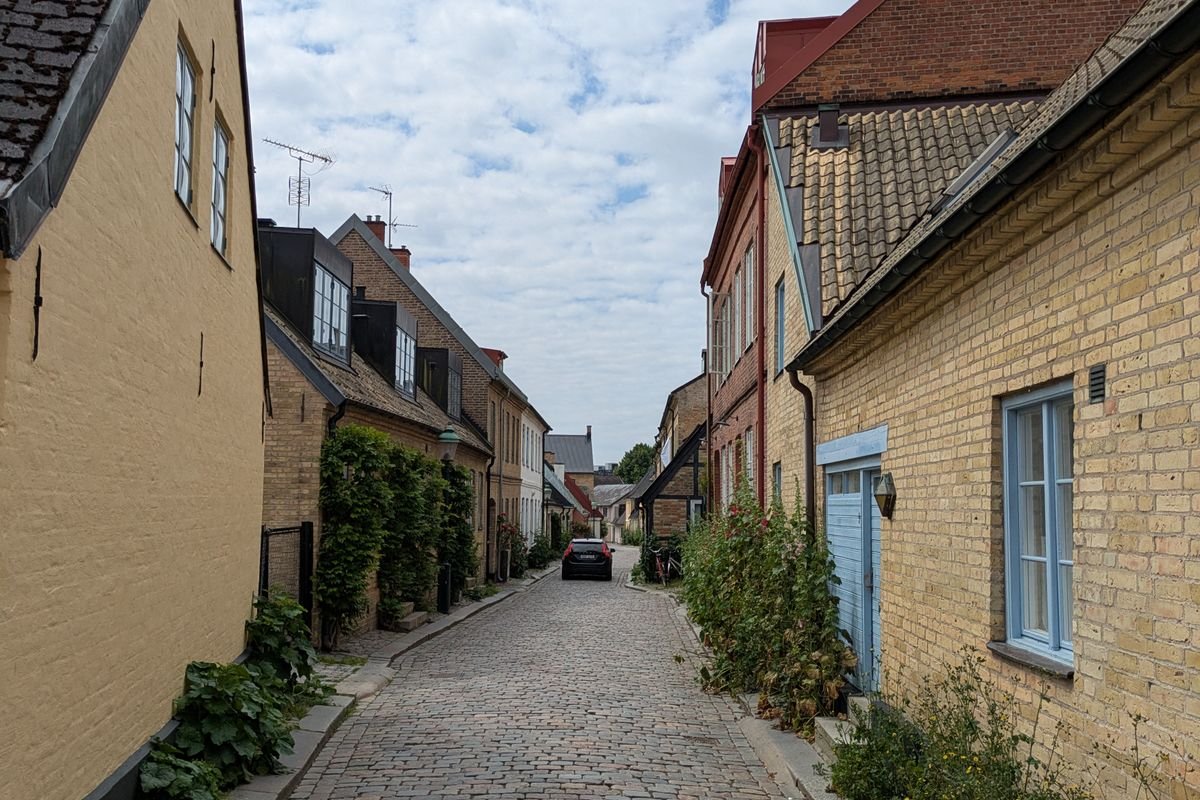
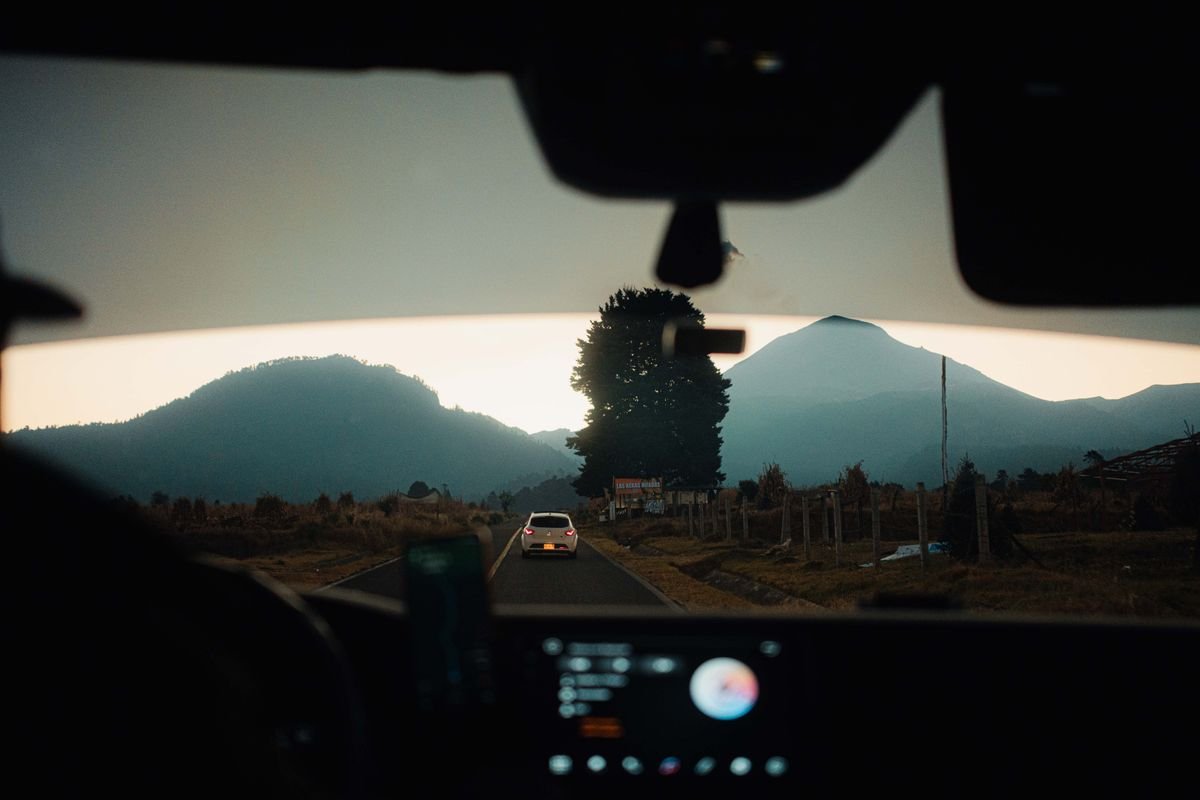
- Leading lines. Roads, paths, rivers and railings guide the eye toward your subject.
- Framing. Use arches, windows, doorways or branches to frame your subject and add depth.
- Symmetry. Center the subject when you have a symmetrical scene, such as a courtyard, a corridor or a reflection.
- Foreground interest. Include something close, such as flowers or a stone wall, to give a landscape depth.
- Simplicity. Remove distractions. If something does not add to the picture, step sideways or crop it out.
Change Your Perspective
Most people shoot everything from standing height. Try something different.
- Crouch down for a low angle that makes buildings and subjects look powerful.
- Climb to a viewpoint for a wide perspective.
- Shoot through gaps, windows or foliage for an interesting frame.
- Move around your subject, and take a few steps closer or farther away.
Focus and Exposure
Tap the screen where you want sharp focus. A slider usually appears beside the focus square. Drag it up or down to make the photo brighter or darker. If the sky is washed out, tap on the sky and lower the brightness slightly. If your subject is too dark, tap on it and lift the exposure.
Avoid Digital Zoom
Pinching the screen to zoom reduces quality, as it simply enlarges pixels. If your phone has a telephoto lens, use it, since that is true optical zoom. Otherwise, take a step closer, or shoot wide and crop later.
Use the Features That Help
- HDR. High dynamic range balances very bright and very dark areas. Useful for scenes with sky and shadow.
- Portrait mode. Blurs the background for flattering photos of people, food and objects.
- Night mode. Takes longer exposures for low-light scenes. Hold the phone very still or rest it on a surface.
- Burst mode. Hold the shutter button to take many photos in quick succession. Great for moving subjects.
- Panorama. Sweeps across wide scenes. Move slowly and steadily.
Keep It Steady
Blurry photos usually come from shaky hands. Hold the phone with both hands, tuck your elbows in against your body, and breathe out gently as you press the shutter. In low light, lean against a wall or rest the phone on a ledge. A small, lightweight tripod is a handy accessory for night scenes and group shots.
Capture the Story, Not Just the Landmarks
Famous sights are easy to photograph, and everyone has the same picture. The memories you will treasure often come from smaller moments.
- Details such as tiles, doors, spices, textiles and handwritten signs
- Food on the table
- Streets in the early morning
- Your hands holding a cup of tea
- Small scenes of daily life
Vary your shots: a wide establishing view, a medium shot and a close-up for each place.
Photograph People Respectfully
People are part of the story of any place, but they are not scenery.
- Ask permission before taking a close-up photo of someone, with a smile and a gesture if you do not share a language.
- Respect a refusal without argument.
- Be especially sensitive around women, children and families. Do not photograph them without consent.
- Follow local rules in places of worship, on public transport, at borders, near government buildings and at airports. Some places forbid photography entirely.
- Do not block paths or entrances to get your shot.
Edit Lightly
Basic editing can improve a good photo. Use your phone’s built-in editor to straighten the horizon, crop for better composition and adjust brightness, contrast and warmth slightly. Avoid heavy filters, which can make colors look unnatural. A consistent, gentle editing style gives your album a cohesive look.
Protect Your Memories
- Back up photos every night to the cloud or to a laptop.
- Free up storage before the trip, so you never miss a moment.
- Carry a power bank. Photography drains the battery quickly.
- Keep your phone secure in crowded places, and do not step near cliff edges or into traffic for a picture.
Frequently Asked Questions
Do I need a special camera app?
No. The built-in camera app is excellent for most travelers. Manual-control apps are optional if you want more creative options.
How can I take photos in crowded places?
Go early, use a low angle, focus on details or wait patiently for a gap.
What about selfies and group photos?
Use the timer and a steady surface for group shots, and ask a friendly passerby only if you feel comfortable.
How many photos should I take?
Enough to capture the story, then delete the weak ones each evening so your album stays manageable.
The Takeaway
Clean your lens, find good light, compose with care and take the time to tell the story of a place. Treat the people you meet with respect, and back up your files every day. Your phone can capture images that keep a journey alive long after you are home.