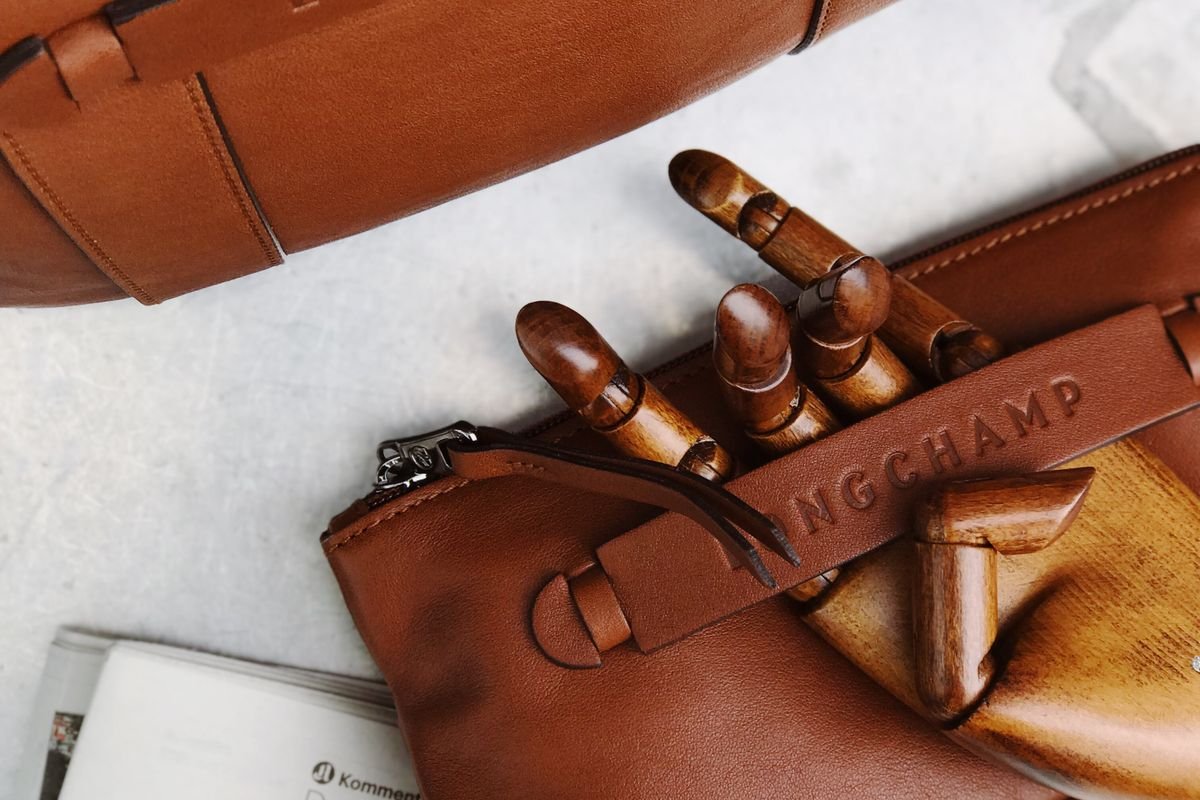
A handbag is the one accessory you use every single day. It carries your essentials, shapes your outfit and, if you choose badly, hurts your shoulder and frustrates you every time you hunt for your keys. The best bag is not the most famous or the most expensive. It is the one that fits your routine.
Start With What You Carry
Before you think about style, empty your current bag onto a table and sort everything into three groups: things you use daily, things you use sometimes and things you could leave at home. Measure the largest item you carry regularly, such as a tablet, a water bottle or a notebook, since your new bag must hold it comfortably.
Typical daily items include a phone, wallet, keys, tissues, lip balm, a small bottle of hand cream and a pen. Add a laptop, lunch, an umbrella or children’s supplies if they are part of your day.
Match the Bag to Your Daily Life
- Work and commuting. You need space for a laptop or documents, a structured shape and secure closures. Tote bags, structured satchels and briefcase-style bags work well.
- Errands and busy days. A crossbody bag keeps your hands free and your belongings secure while you move around.
- Family life. Choose a larger bag with several compartments, easy-to-clean fabric and comfortable straps. A tote or backpack-style bag with a wide opening makes it easy to reach what you need.
- Special occasions. A clutch or small evening bag holds just the basics and finishes an outfit.
- Travel. Look for lightweight, zipped crossbody bags with inner pockets for documents.
Know the Main Shapes
- Tote. Open, roomy and versatile. Choose one with an inner zip pocket or a closure to keep items secure.
- Crossbody. Practical and safe, with an adjustable strap. It sits against your body and keeps your hands free.
- Satchel or structured bag. Holds its shape, looks polished and suits work.
- Shoulder bag or hobo. Slouchy and soft, comfortable for casual days.
- Backpack. Excellent for comfort when carrying a lot, and easier on the shoulders.
- Clutch or mini bag. Elegant and light, but only for the essentials.
Think About Proportion
A bag should look balanced with your frame and your outfit. As a rough guide:
- Petite people often look best with small to medium bags, since an oversized bag can overwhelm.
- Taller people carry larger bags comfortably, and a very small bag may look out of scale.
- A structured bag suits tailored outfits, and a slouchy shape suits relaxed, flowing clothes.
- Where the bag falls matters. A bag that sits at your waist or hip generally looks neat. A bag that rests across the widest part of your body can add visual bulk.
These are guidelines, not rules. If you love a bag and it is comfortable, wear it.
Check the Materials
- Leather. Durable, ages beautifully and can last for many years. Quality varies, so check the finish and edges.
- Faux leather. Affordable and animal-free, though cheaper versions can crack or peel.
- Canvas and cotton. Light, washable and casual.
- Nylon and technical fabrics. Very lightweight, water-resistant and practical for travel and daily use.
- Straw and woven materials. Perfect for summer but less suitable for rain.
Inspect the Construction
- Stitching. It should be tight, straight and even, especially where handles attach.
- Zips and closures. They should glide smoothly and feel sturdy.
- Hardware. Buckles, clasps and rings should feel solid, not thin or light.
- Lining. A good lining protects your belongings and makes it easier to see inside. Light colors help you find things.
- Handles and straps. They should be wide enough to be comfortable and well reinforced.
- Shape. The bag should stand up or hold its form when not empty, if it is meant to be structured.
Comfort and Weight
Test the empty weight of the bag. Heavy leather bags can weigh more than you expect before you add a single item. Fill it with your usual belongings in the shop if possible, and walk around. A shoulder strap should not dig in, and a crossbody strap should be adjustable. If you carry a lot, choose a bag that distributes weight across your back, or switch shoulders regularly.
Organization Saves Time
Look for inner pockets for your phone, keys and cards, and a zipped section for valuables. If you tend to lose things at the bottom of your bag, a small organizer insert helps, and so does a bright lining. Smaller pouches for makeup, cables and medicines keep everything neat.
Choose Versatile Colors
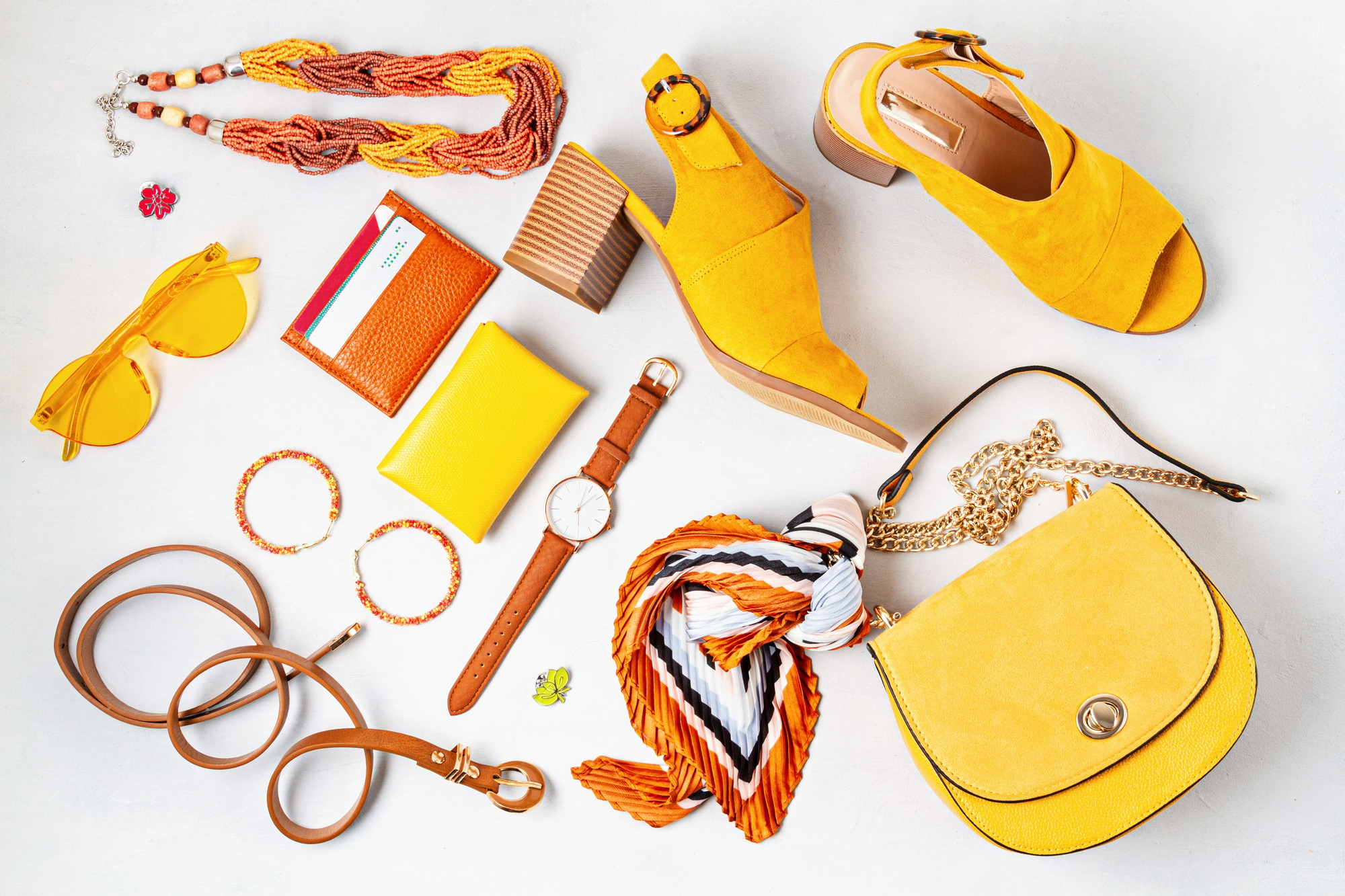
A neutral bag in black, brown, tan, navy, cream or grey goes with most outfits and hides daily wear. If you want color, choose one standout bag and keep the rest neutral. Consider your wardrobe: a bag in a shade that appears in many of your clothes is easier to wear.
Think in Cost Per Wear
A well-made bag that you carry 300 times is far better value than a cheap bag that falls apart after 30 outings. Spend more on the bag you use daily, and less on trendy shapes and seasonal colors.
Keep It Looking Good
- Empty and wipe the interior regularly.
- Stuff the bag with tissue or a soft cloth to keep its shape when stored.
- Keep leather away from water, heat and direct sun, and condition it from time to time.
- Store bags in dust bags or breathable covers.
- Do not overfill, since strain damages straps and seams.
- Rotate between two bags, to give each a rest.
Common Mistakes
- Buying for the look and not the contents
- Choosing a bag that is too heavy when empty
- Ignoring the quality of zips and stitching
- Buying a trend bag you will use only briefly
- Carrying everything “just in case”
Frequently Asked Questions
How many handbags do I need?
Three cover most lives: an everyday bag, a smaller bag for lighter days and an occasion bag.
Are expensive designer bags worth it?
Sometimes. Pay for materials, construction and design that you love, not just a logo. Plenty of well-made bags are available at moderate prices.
What is the best bag for a lot of walking?
A lightweight crossbody or a backpack, which spread the weight and leave your hands free.
How can I tell if a leather bag is good quality?
Check the stitching, the finish of the edges, the weight of the hardware and how the leather feels. It should be supple and even, not stiff or plastic-like.
The Takeaway
Begin with what you carry and how you live, then choose a size, shape and material that suit them. Check the construction, test the comfort and keep the color versatile. A bag that fits your routine will make your day easier, and look good with almost everything you wear.