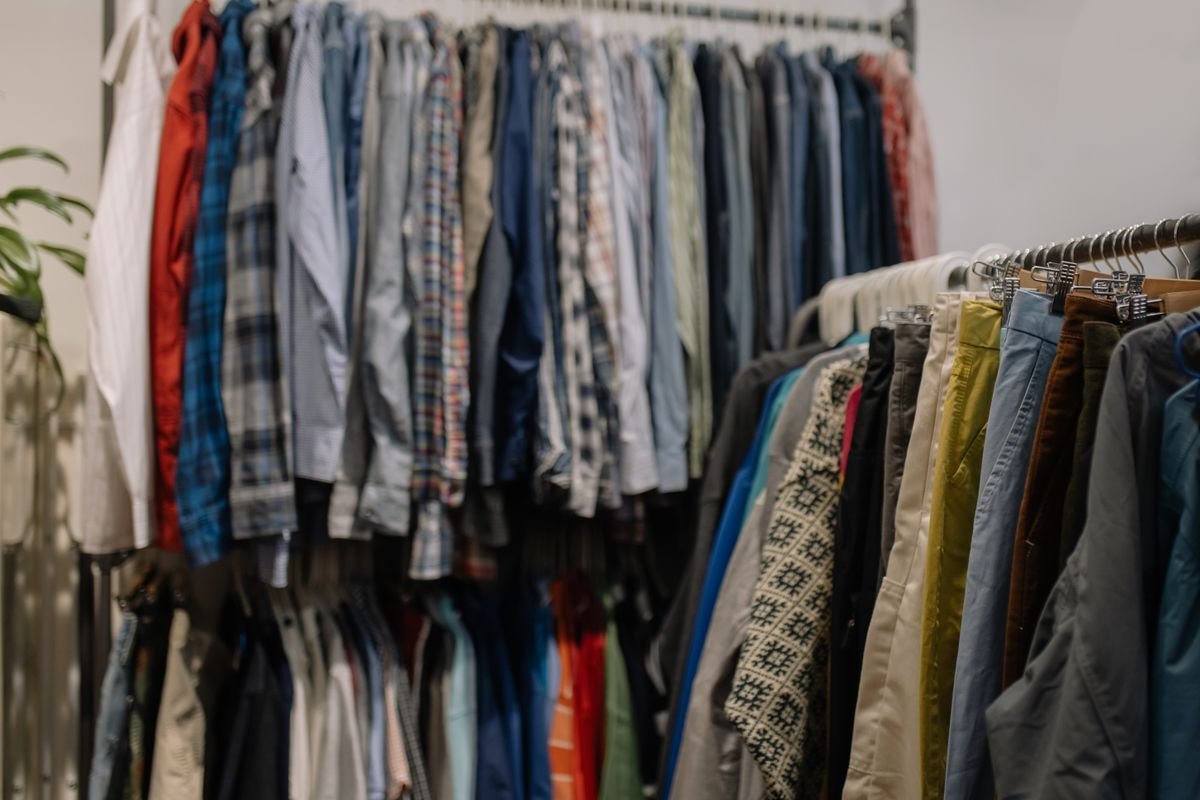
Secondhand shopping is one of the best ways to build a wardrobe with character, quality and a lower price tag. A well-made coat from a charity shop can outlast a new one from a fast-fashion chain. The trick is knowing what to look for, because the rails are full of both treasures and disappointments.
Why Buy Secondhand?
- Better quality for the price. Older garments were often made with sturdier fabrics and finer stitching.
- Unique pieces. You are less likely to see someone wearing the same item.
- Lower cost. Even branded items can be a fraction of their original price.
- Less waste. Giving clothes a second life reduces what goes to landfill.
Before You Go
- Know your gaps. Make a short list of what you really need, such as a winter coat, work trousers or a plain shirt. It keeps you from buying things just because they are cheap.
- Know your measurements. Sizes vary enormously across brands and decades. Keep your key measurements on your phone, and measure garments rather than trusting labels.
- Set a budget. Decide how much you will spend before you start.
- Dress for trying on. Wear something simple that is easy to layer over, since fitting rooms may be limited or absent.
- Go regularly. Stock changes often. Shorter, frequent visits beat one marathon trip.
How to Check Quality
Take your time with each garment. A thorough check takes a minute and saves you from regret.
- Read the label. Fiber content reveals a lot. Wool, linen, cotton, silk and cashmere are usually worth the effort. Mostly synthetic fabrics may pill or feel clammy.
- Inspect the seams. Tug gently along the seams. Look for tight, even stitching with no gaps or loose threads.
- Check the underarms and collar. These areas show stains, discoloration and wear first.
- Look at the fabric surface. Heavy pilling, thin patches or shiny worn spots are warnings.
- Test zippers and buttons. Run the zip up and down, and check that every button is present and secure.
- Hold it to the light. Thin spots and small holes show up clearly, and you can also judge how sheer the fabric is.
- Check the lining. A torn or twisted lining is repairable, but factor in the cost.
- Smell it. Mustiness can often be washed out, but strong smoke or mildew can be stubborn.
Check the Fit Carefully
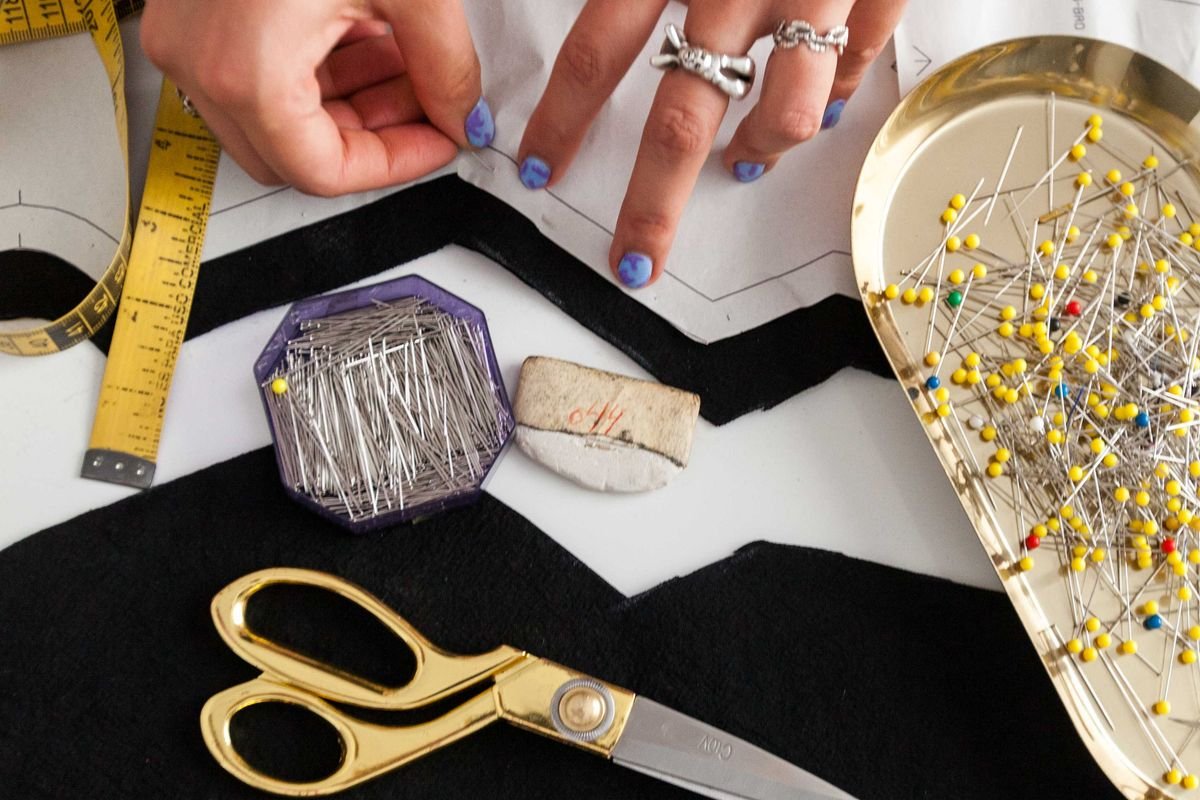
Try everything on, and move around in it. Raise your arms, sit down and bend forward. Remember that small tailoring changes, such as hems, sleeve lengths and waist adjustments, are usually affordable. Shoulders and overall proportions are much harder to change, so make sure those fit well.
What to Buy Secondhand
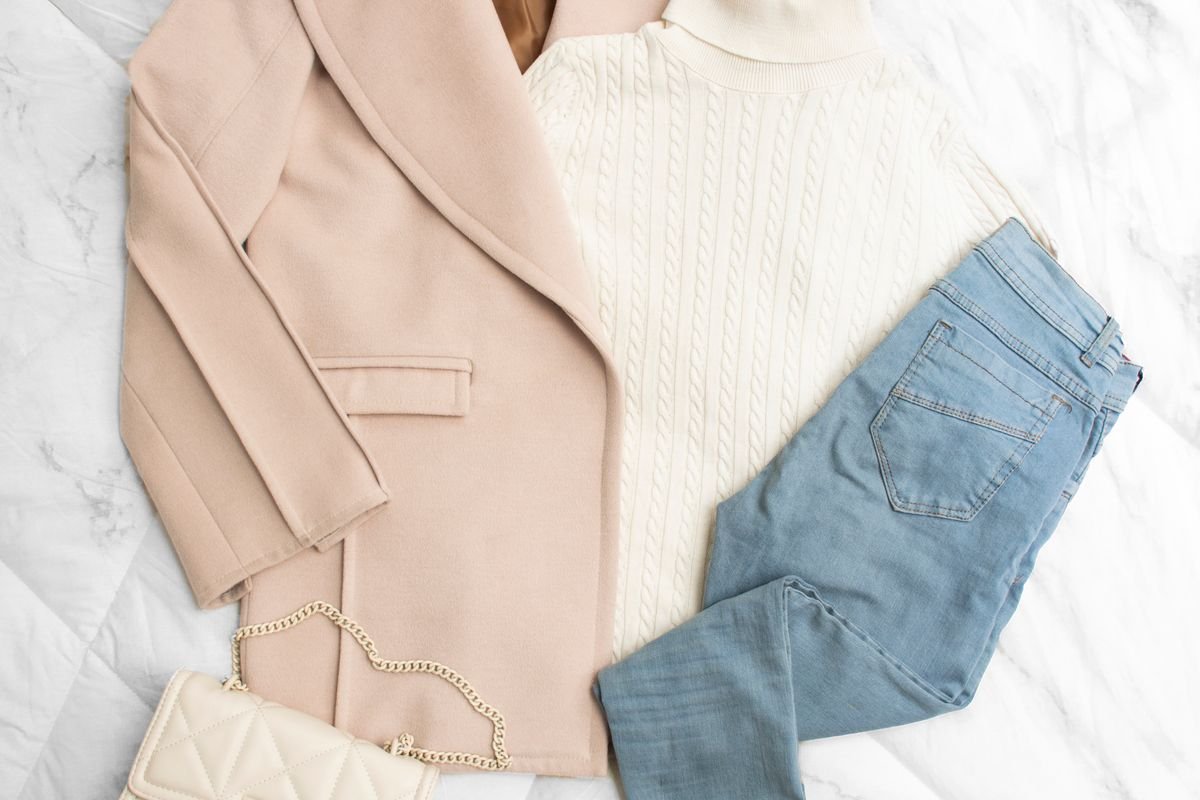
- Coats, jackets and blazers. Quality tailoring and wool fabrics are often much better than modern equivalents.
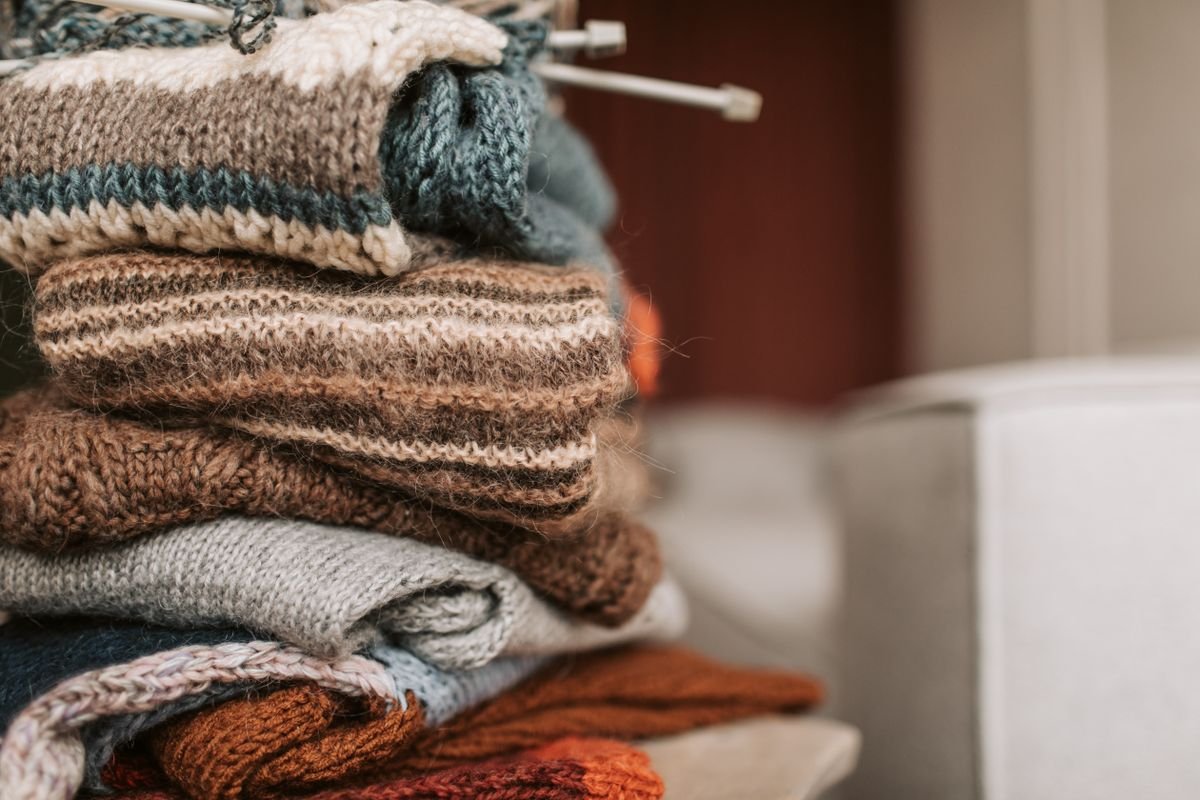
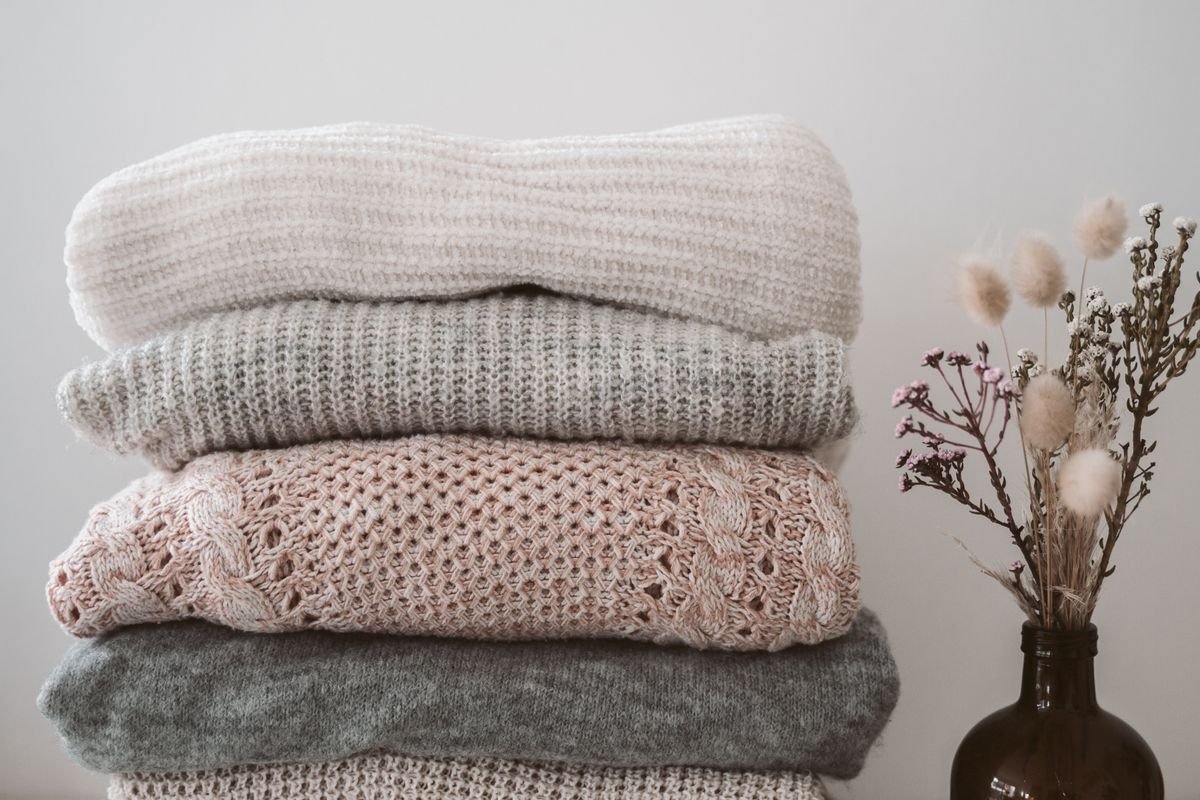
- Knitwear. Natural-fiber sweaters in good condition are a bargain, as long as they are not stretched or moth-eaten.
- Denim. Durable and often improved by age.
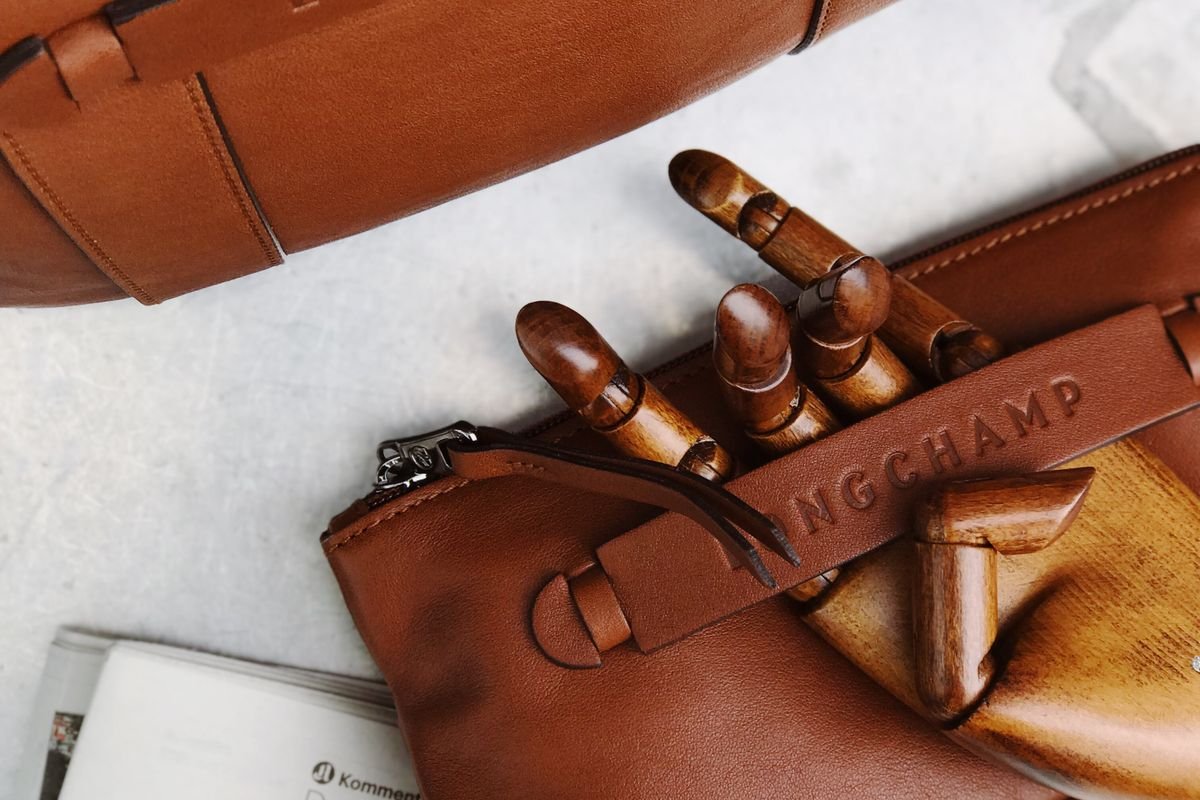
- Leather bags and belts. Good leather lasts for decades.
- Silk scarves and blouses. Check carefully for marks and thin areas.
- Formal and occasion wear. You often pay far less for a piece you will wear only a few times.
What to Be Careful With
- Shoes. They mold to the previous owner’s feet. Look at the soles, the heels and the inside carefully, and avoid them if the interior is badly worn.
- Swimwear and underwear. Most people prefer to buy these new for hygiene reasons.
- Heavily stained or damaged items. A bargain price does not make up for a garment you will never wear.
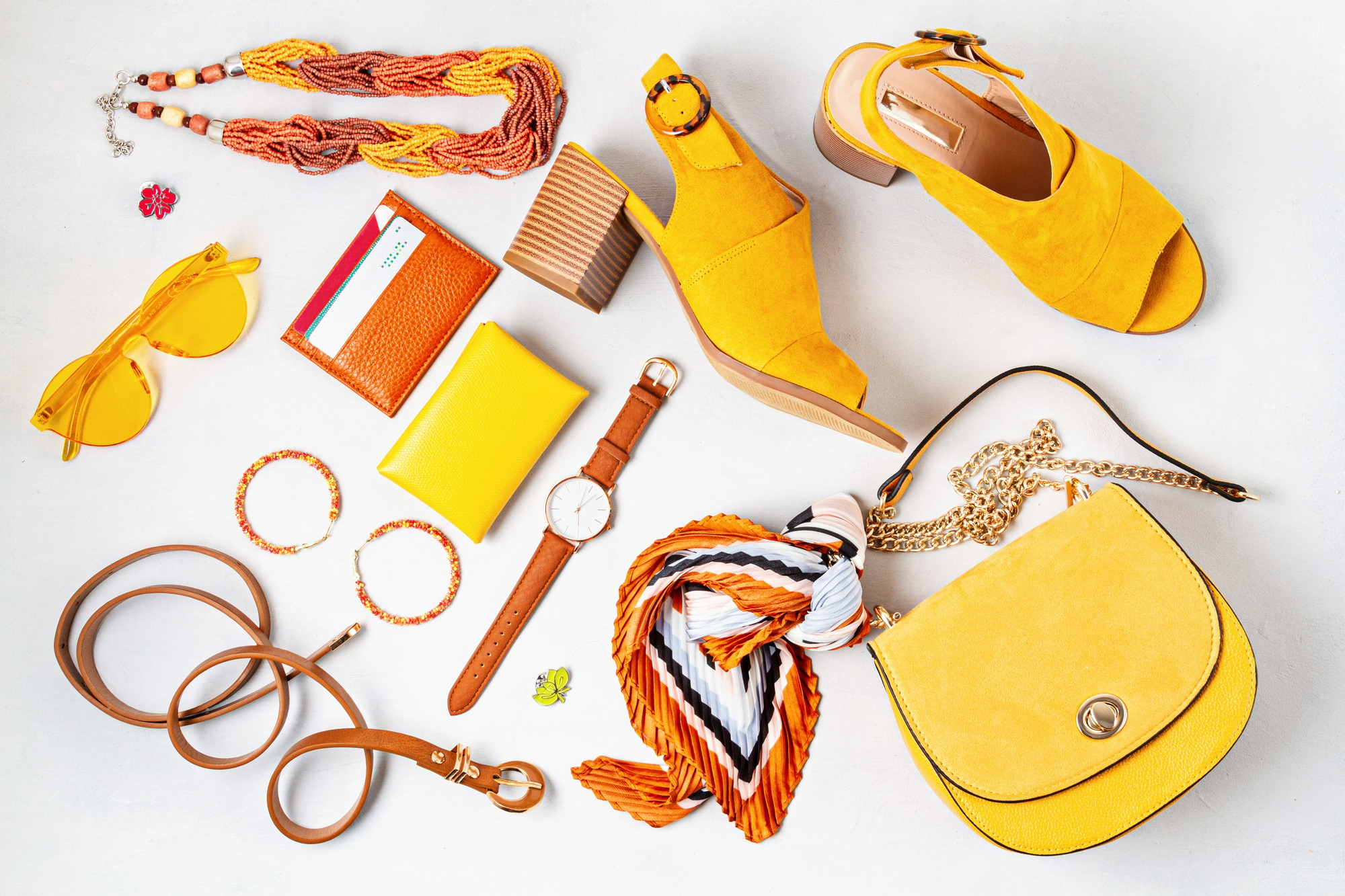
- Trend pieces. Fashion moves quickly, and a cheap trend item may sit unused.
Shopping for Secondhand Clothes Online
Online resale sites open up a huge range, but you cannot touch the fabric, so be a careful buyer.
- Ask for measurements, and compare them with a garment you own.
- Look for clear photos in good light, including the label and any flaws.
- Read the description for fabric, condition and care.
- Check the seller’s ratings and return policy.
- Ask questions before buying if anything is unclear.
Clean Your Finds Properly
Treat anything you bring home as needing a refresh.
- Follow the care label. Wash cotton and linen as directed, hand-wash delicate fabrics and use gentle cleaning for wool.
- Air items outdoors for a few hours to remove odors.
- Steam jackets and coats, or have them professionally dry cleaned if the label requires it.
- Treat small stains early, and test any stain remover on a hidden area first.
Think in Cost Per Wear
A garment that costs 30 and is worn 60 times costs 50 cents a wear. A cheap top at 5 that you wear twice costs 2.50 a wear. Secondhand shopping becomes truly economical when you buy things you will use again and again. Ask yourself, “Will I wear this at least ten times?” before going to the till.
Give Back Too
A wardrobe works best when items flow in and out. Donate or resell clothes you no longer wear, as long as they are clean and in good condition. A one-in, one-out approach stops your closet from overflowing.
Frequently Asked Questions
Is secondhand clothing hygienic?
Yes, when it is washed properly. Wash or dry clean everything before wearing it for the first time.
How can I tell if an item is good quality?
Look at the fabric content, seams and construction. Heavy fabric, neat stitching and good lining are positive signs.
Where are the best places to shop?
Charity shops, vintage stores, flea markets, consignment shops and reputable online resale platforms all have strengths. Try several and see which suits you.
What if I buy something that does not fit?
Check whether it can be altered, then resell or donate it if not. Next time, measure more carefully before buying.
The Takeaway
Go with a list, check fabric and construction carefully, try everything on and clean what you buy. Focus on quality items you will wear often. Secondhand shopping rewards patience and a good eye, and it can give you a wardrobe that is more individual, more durable and kinder to your budget.