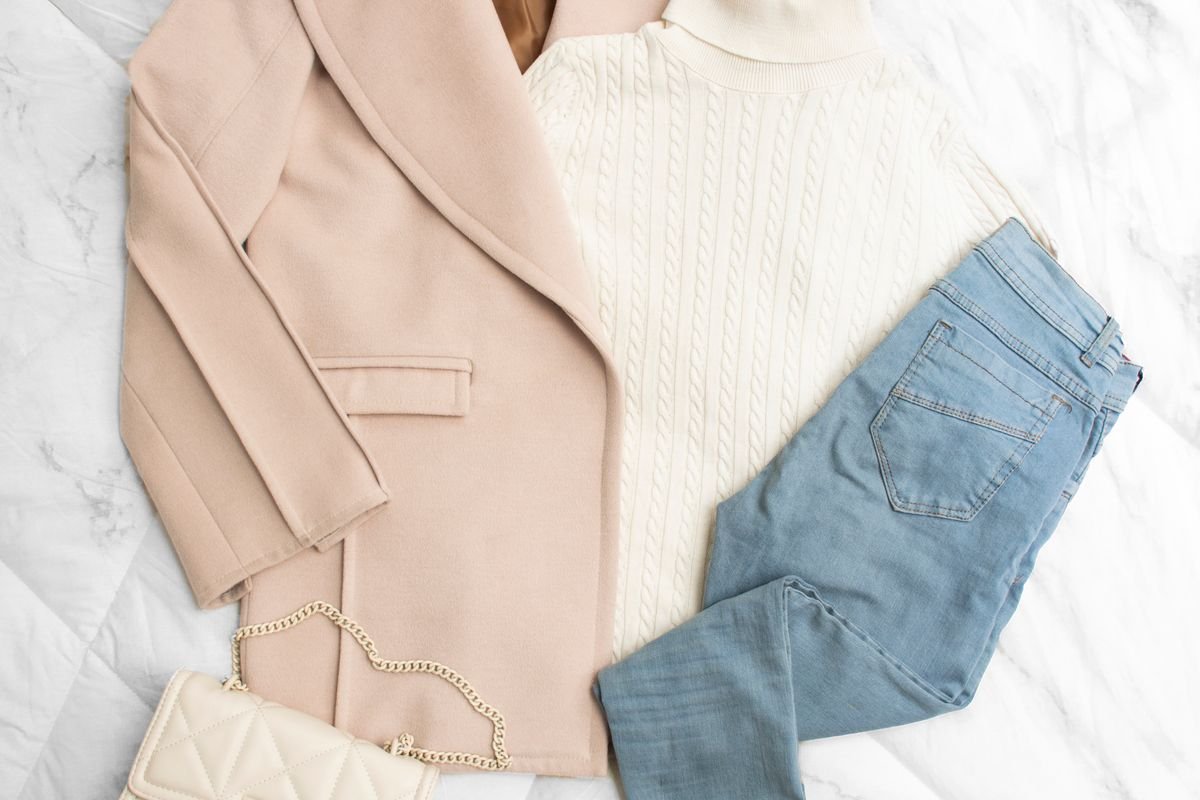
Layering is one of the most practical style skills you can learn. Done well, it adds depth to simple outfits, keeps you comfortable as the temperature changes and gives you endless combinations from clothes you already own. Done badly, it just looks bulky. The difference comes down to a few simple principles.
The Three Layers
Think of any layered outfit as three parts, each with a different job.
- Base layer. The piece closest to your skin, such as a fitted tee, a long-sleeved top or a lightweight blouse. It should be soft, breathable and not too bulky.
- Middle layer. This adds warmth and interest. Think cardigans, sweaters, vests, waistcoats or an open shirt.
- Outer layer. The finishing piece, like a coat, trench, blazer or long jacket. It protects you from the weather and sets the tone of the outfit.
You do not always need all three. Two well-chosen layers are often enough.
Mix Textures, Not Just Colors
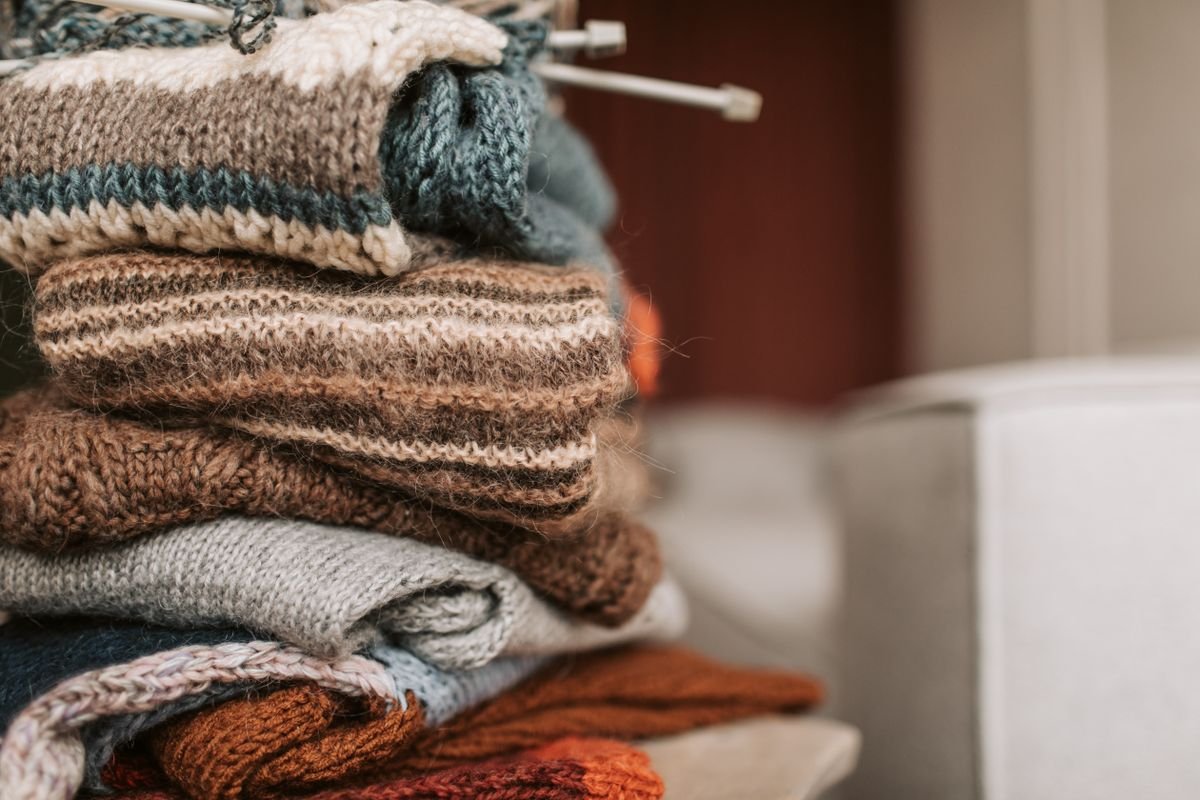
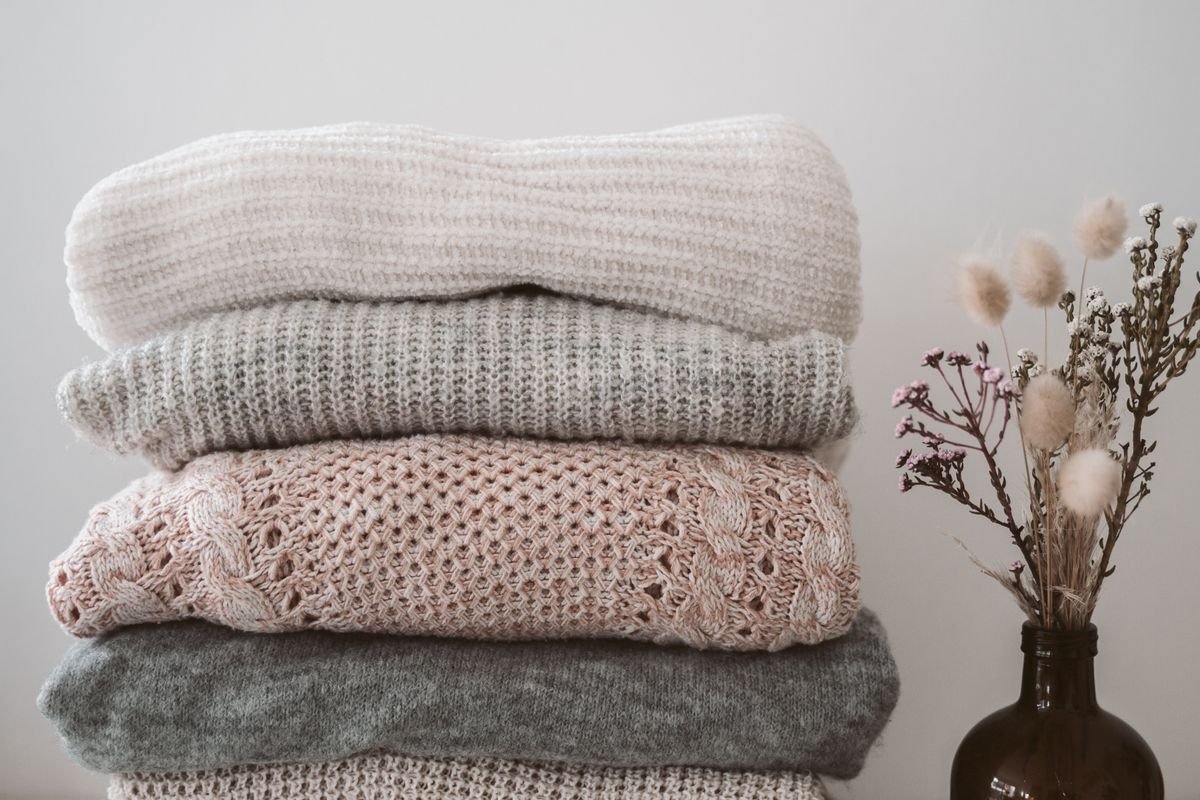
Texture is what makes a layered outfit look rich instead of flat. Pair materials that contrast with each other:
- A smooth cotton shirt under a chunky knit
- A soft wool coat over a silky blouse
- A structured jacket over a ribbed turtleneck
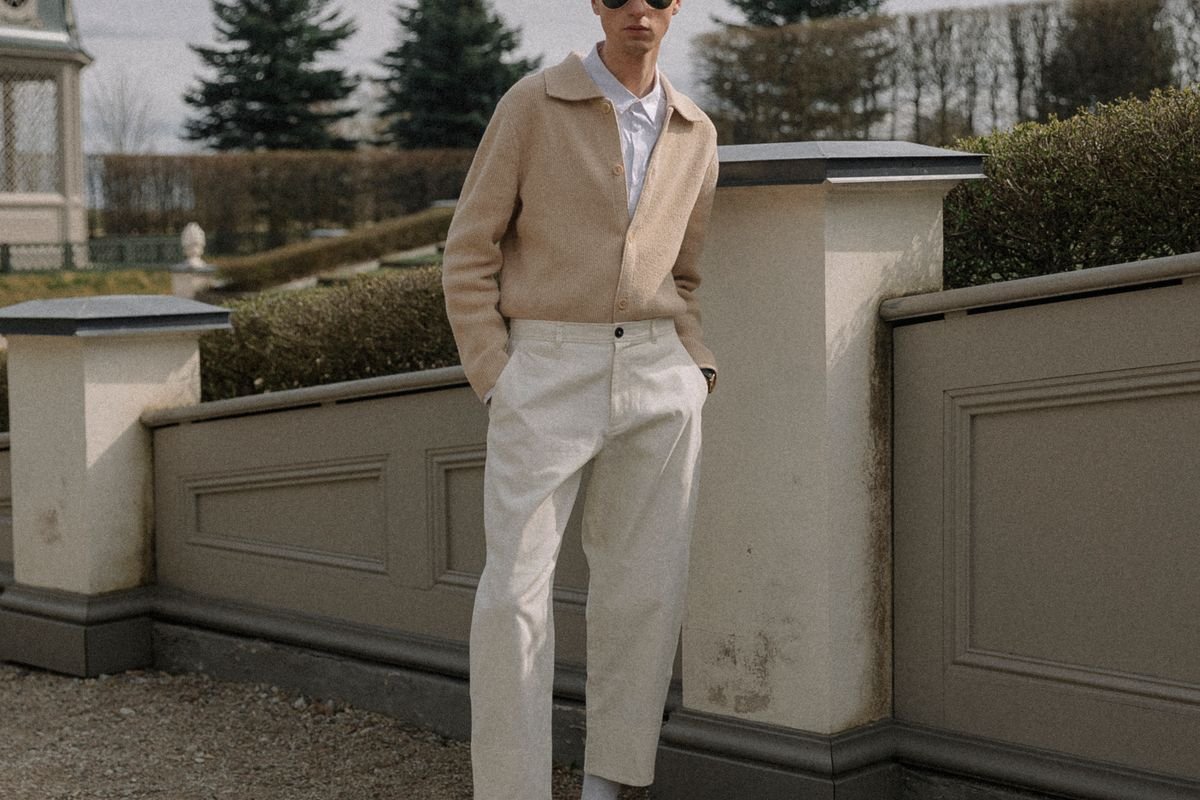
If you wear a single color head to toe, texture does even more work. A cream turtleneck, a beige wool coat and a pair of tan trousers look polished precisely because each fabric catches the light differently.
Play With Lengths
Varying lengths creates a pleasing rhythm. A few reliable combinations:
- A longer shirt or tunic peeking out beneath a shorter sweater
- A long cardigan or duster coat over a fitted top and straight trousers
- A midi skirt or dress with a cropped jacket on top, or a longer coat that echoes the hem
The key is to let each layer show a little. Even a hem or a collar that is visible by two or three centimeters adds definition.
Balance Weight and Volume
Volume should be balanced. If the top half is generous, keep the bottom half slimmer, and the other way around. A roomy sweater looks best with straight or tapered trousers, while a wide-leg pair works well with a fitted knit tucked in or a neat, shorter layer. Thick fabrics belong on the outside and thin ones underneath. Putting a heavy knit under a slim jacket is the quickest way to feel restricted.
Choose a Simple Color Palette
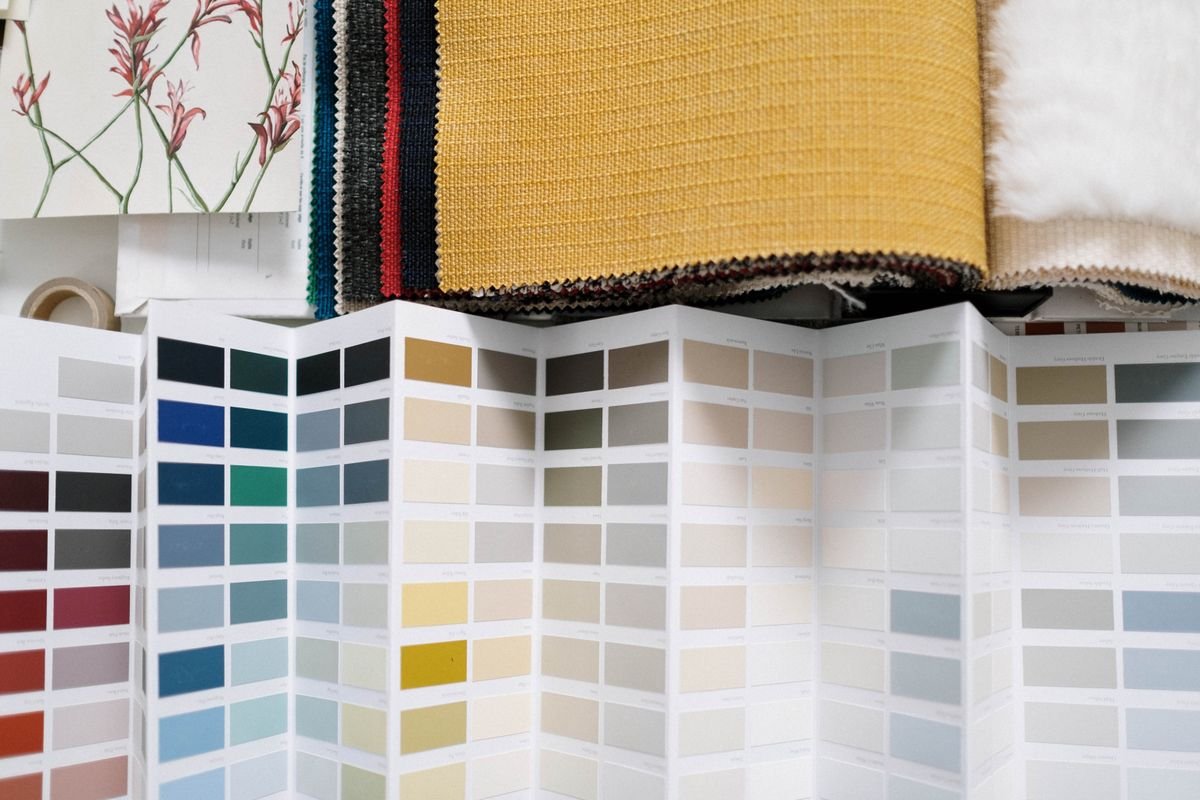
You do not need to match, but a limited palette keeps layers cohesive. Try three colors at most, mixing neutrals such as black, white, navy, beige and grey with one accent. Tone-on-tone looks, where each piece is a different shade of the same color, are especially forgiving.
Use Collars, Scarves and Hems
The details at the edges of each layer finish the look.
- Fold a shirt collar over a sweater neckline.
- Add a scarf or wrap that matches one of your layers.
- Roll or fold sleeves to show contrasting cuffs.
- Let a slip, tunic or long top extend slightly beyond a jacket hem.
Layering also suits people who prefer a more covered, modest style. Long tops, loose cardigans, tunics and wide trousers can be combined into outfits that are elegant, comfortable and fully covering.
Layering by Season
Cold weather: start with a thin, warm base, add a mid-weight knit and finish with a wool or padded coat. Spring and autumn: a light shirt, a thin cardigan and a trench or jacket let you adjust as the day warms up. Warm weather: choose airy fabrics such as cotton and linen, and use a lightweight open shirt or kimono-style cover-up over a sleeveless or short-sleeved base.
Common Mistakes
- Too many bulky pieces. Limit thick items to one or two.
- Layers that are the same length and cut. Vary them for interest.
- Ignoring comfort. If you cannot lift your arms or sit easily, the outfit is too tight.
- Too many patterns. Stick to one bold print and let the rest be solid.
- Heavy fabrics at the waist. Tuck in thin pieces and leave thick ones loose.
Frequently Asked Questions
How do I layer without looking bulky?
Use thin, fitted base layers, keep one piece oversized at most and choose quality fabrics that drape well instead of stiff, thick ones.
Can I layer in hot weather?
Yes, with breathable fabrics. A light linen shirt over a cotton top is both cooler and more covering than you might expect.
What are the best pieces to start with?
A plain white or cream shirt, a fine-knit sweater, a long cardigan and a good coat. They combine in many ways.
Do I need to buy new clothes?
Not necessarily. Try new combinations of what you already own before shopping.
The Takeaway
Start with a simple base, add one interesting texture and let each layer show a little. Keep the palette small, balance volume and always check that you can move comfortably. Layering is less about adding more clothes and more about making the pieces you have work together.