Two shirts can look identical on a hanger and behave completely differently once you wear them. The reason is fabric. Knowing how common materials feel, wear and age helps you buy clothes that suit your climate, your routine and your budget, and it saves you from regrettable purchases.
Cotton
Cotton is soft, breathable and absorbent, which makes it a reliable choice for everyday basics such as tees, shirts and trousers.
- Pros: comfortable, easy to wash, good for sensitive skin and warm weather.
- Cons: wrinkles easily, can shrink and takes a while to dry.
- Look for: a smooth, tightly woven feel. Longer fibers, often labeled as Pima or Egyptian cotton, tend to be softer and more durable.
Linen
Linen comes from the flax plant. It is light, airy and naturally cooling, which is why it is a favorite in hot climates.
- Pros: highly breathable, strong and softer with every wash.
- Cons: wrinkles very easily, so embrace a relaxed look or choose a linen-cotton blend.
- Look for: an even weave without thin patches. Good linen should feel substantial, not papery.
Wool
Wool is warm, resilient and naturally resistant to odors. It insulates even when slightly damp, making it ideal for coats, sweaters and trousers.
- Pros: warm, durable, drapes beautifully and holds its shape.
- Cons: can feel scratchy, needs gentle washing and can shrink in heat.
- Look for: merino or fine wool for softer garments, and a tight weave in coats.
Viscose and Rayon
Viscose is a semi-synthetic fabric made from wood pulp. It is prized for its soft, fluid drape and silky feel, which suits dresses, blouses and skirts.
- Pros: smooth, lightweight, drapes well and is generally affordable.
- Cons: weakens when wet, wrinkles and can shrink if washed carelessly.
- Look for: a dense, even fabric that is not see-through. Follow the care label closely.
Polyester and Other Synthetics
Polyester and nylon are durable, resist wrinkles and dry quickly. They are common in outerwear, activewear and formal fabrics.
- Pros: strong, easy care and often affordable.
- Cons: less breathable, can hold odors and may feel clammy in heat.
- Look for: blends with natural fibers, or high-quality weaves that feel soft and drape well.
Silk
Silk is smooth, light and naturally elegant. It regulates temperature well and has a subtle sheen that dresses up any outfit. It is delicate, though. It can mark from water or perspiration and usually needs careful washing or dry cleaning.
Blends
Blending fibers can combine the strengths of each. Cotton with a little elastane adds comfort and shape. Wool with a bit of nylon improves durability. Linen with cotton cuts down on wrinkles. A blend is not automatically inferior, but pay attention to the proportions. A small share of synthetic fiber is a practical addition, while a mostly synthetic garment will behave like a synthetic.
How to Judge Fabric in the Shop
- Read the label. The fiber content and care instructions tell you how it will behave.
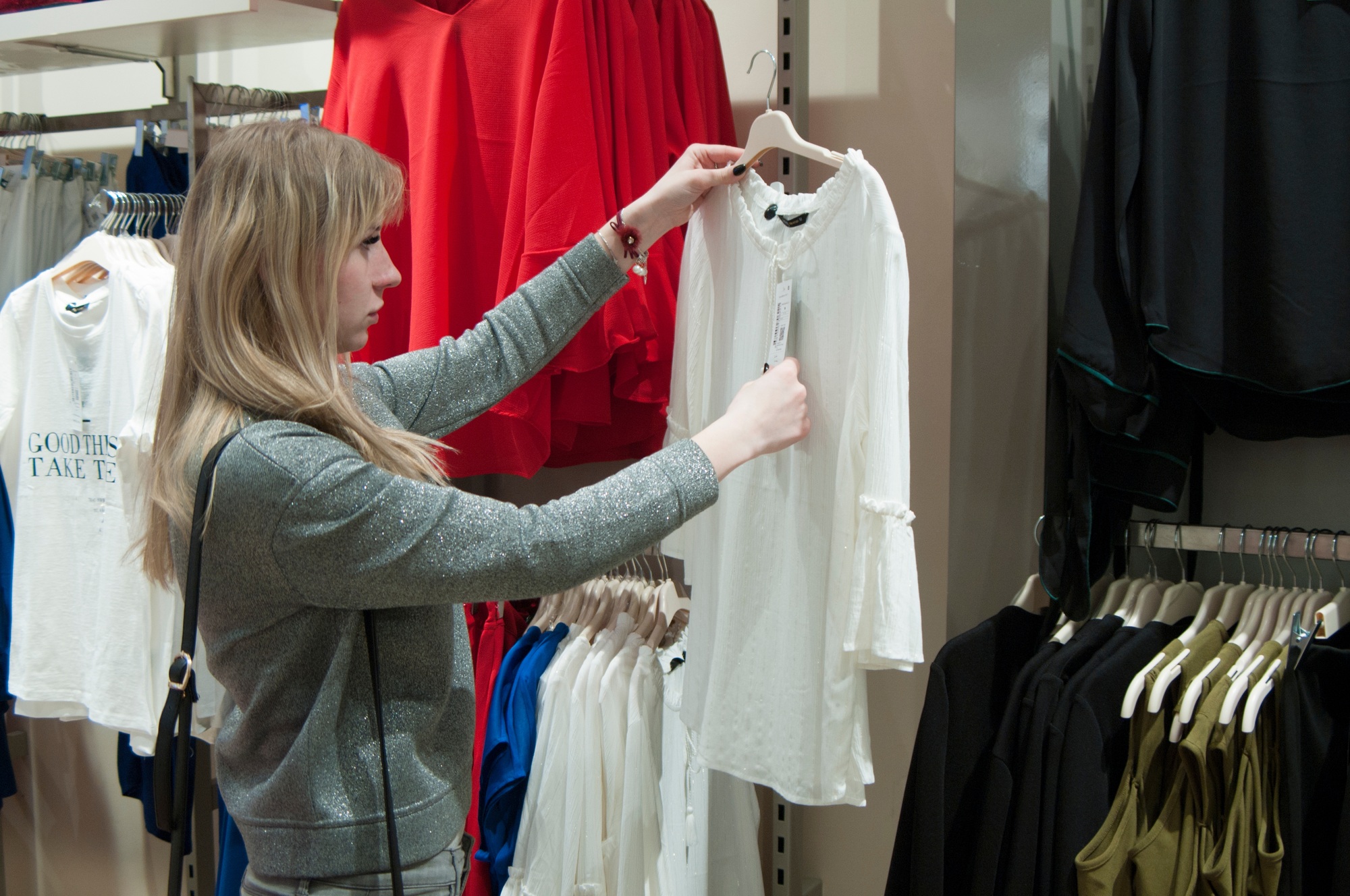
- Hold it up to the light. This shows how sheer the fabric is, which matters for modest cuts and for layering.
- Scrunch a corner. If it stays creased, expect to iron it often.
- Stretch it gently. It should spring back, not stay baggy.
- Check seams and stitching. Even, tight stitches signal care in construction.
- Feel the weight. Heavier fabrics often drape better and last longer.
Matching Fabric to Season
- Hot weather: linen, light cotton and good-quality viscose.
- Mild weather: cotton, blends and fine wool.
- Cold weather: wool, heavier knits and lined garments.
- Special occasions: silk, crepe and well-structured blends with a smooth drape.
Frequently Asked Questions
Is natural fabric always better than synthetic?
Not always. Natural fibers tend to breathe better, while synthetics can be more durable and easier to maintain. The best choice depends on what the garment is for.
Which fabric is best for hot climates?
Linen and light cotton are classic choices because they let air circulate and absorb moisture.
Why does my viscose top shrink?
The fibers weaken when wet and can relax or contract with hot water and heat. Wash it gently in cool water and air dry.
How can I avoid see-through clothes?
Do the light test, choose a lining or a heavier weave and consider darker or patterned fabrics.
The Takeaway
Fabric decides how a garment feels, looks and lasts. Read the label, test the fabric with your hands and match it to the season and the occasion. A few minutes of attention in the shop will save you from clothes that look good on the hanger and disappoint at home.