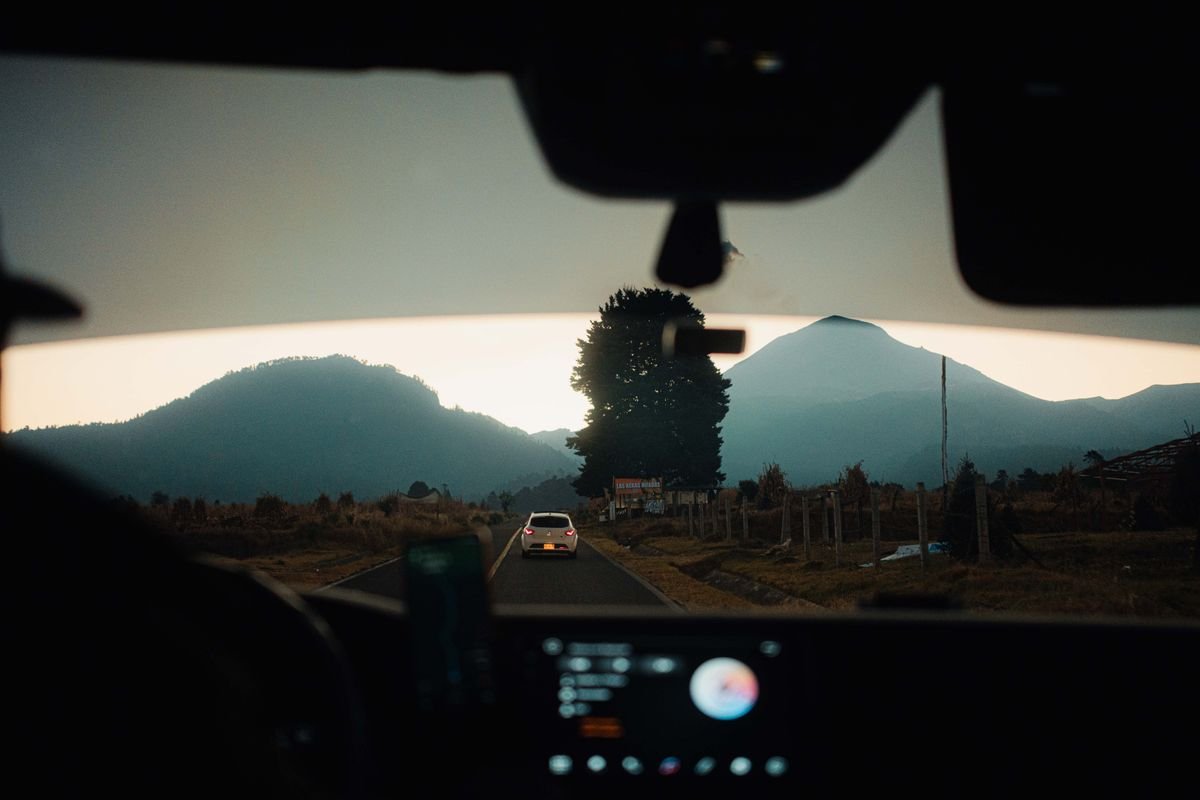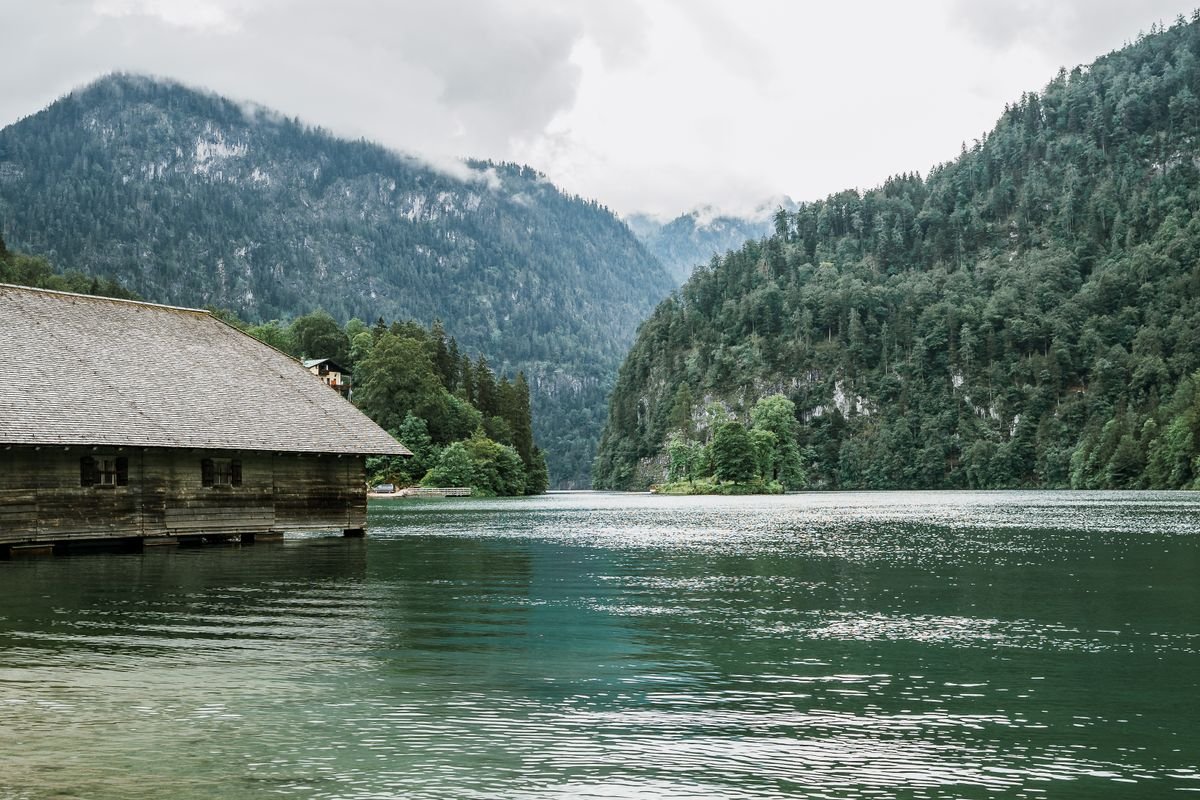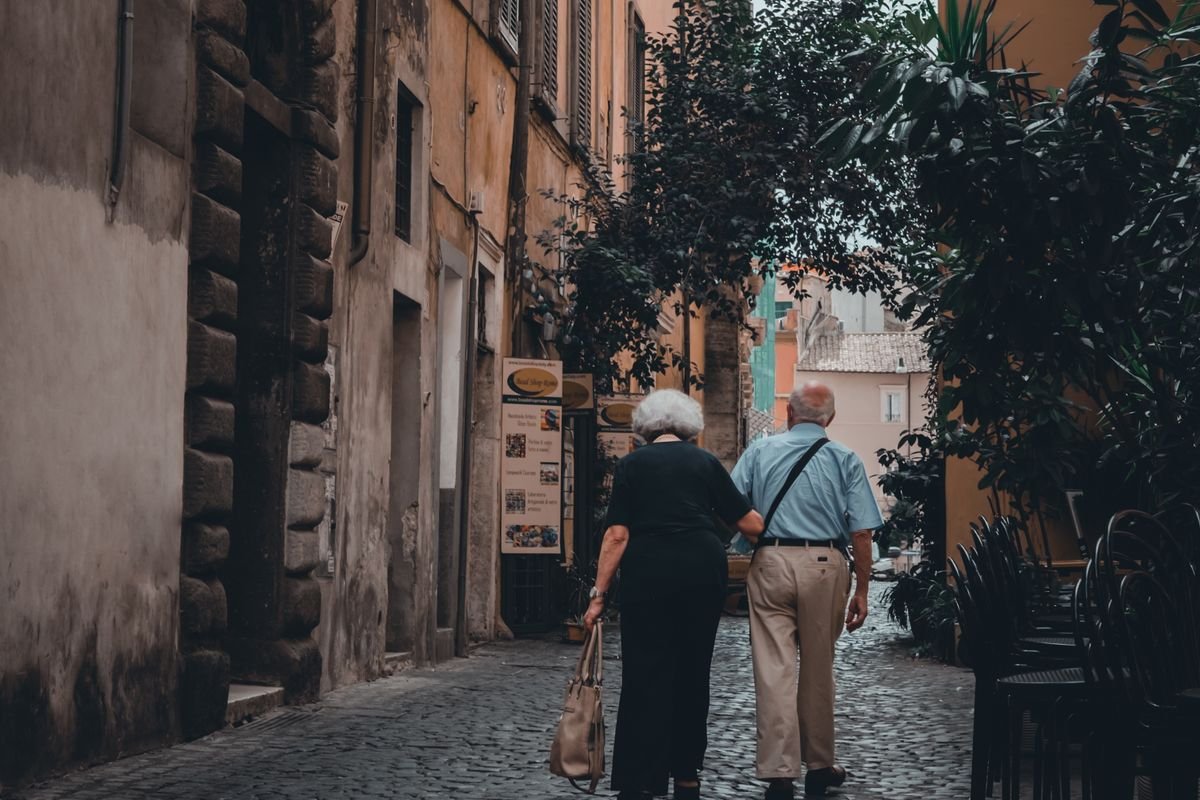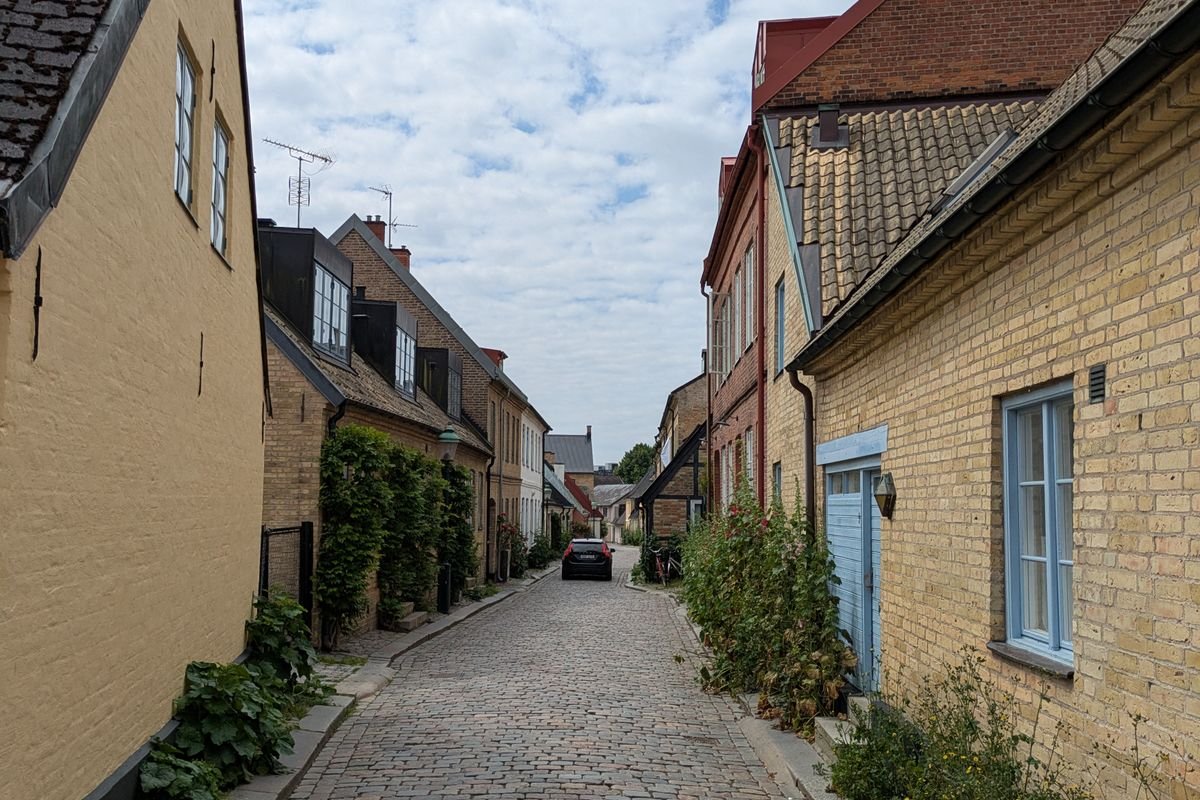
Many of us travel like we are racing a clock: six cities in ten days, a checklist of landmarks and a camera roll full of places we barely remember. Slow travel offers another way. Instead of seeing more, you see less, but you experience it properly.
What Slow Travel Means
Slow travel is not about moving slowly for its own sake. It is a mindset that values depth over quantity. You choose fewer places, stay longer in each, and take time to understand them. You travel the way a curious neighbor would, not like someone ticking off a list.
Why It Is Worth Trying
- Less stress. Fewer packing days, fewer transfers and less time rushing to stations or airports.
- Lower costs. Weekly accommodation rates are often cheaper per night, and staying put cuts transport spending.
- Deeper connection. You start to recognize faces, learn a few phrases and discover the places locals love.
- Better rest. A trip that includes real downtime leaves you refreshed, not exhausted.
- More sustainable. Fewer flights and shorter journeys reduce your environmental footprint.
- Better memories. A few vivid experiences stay with you longer than a blur of sights.
How to Plan a Slow Trip
- Pick one base. Choose a single town, village or neighborhood and stay for at least a week. For a two-week trip, two bases are plenty.
- Choose the right accommodation. An apartment, a guesthouse or a small family-run hotel gives you more space and a feel for everyday life. A kitchen lets you cook with local ingredients.
- Limit your list. Pick two or three things you really want to see. Everything else is a bonus.
- Plan one activity a day. A morning museum visit or an afternoon walk is enough. Leave the rest of the day open.
- Use day trips. From your base, explore nearby towns and landscapes by train, bus or on foot, and return to your own bed each night.
Ways to Experience a Place Properly
- Walk. Walking reveals small streets, courtyards, bakeries and views you would miss on a bus.
- Shop at the market. Buy fresh produce, ask vendors what is in season and cook a simple meal.
- Find a regular spot. Visit the same cafe or tea house several mornings. Staff will start to recognize you.
- Learn some words. Greetings, thank-yous and numbers show respect and open doors.
- Take public transport. It is cheaper and shows how local people live.
- Visit local crafts and small businesses. Your money supports the community directly.
- Sit. Spend time in a park or on a bench with no plan at all. Watching daily life is a lovely way to understand a place.
A Sample 10-Day Slow Itinerary
This is a flexible example for a small European town. Adapt it to any destination.
- Days 1 to 2: arrive, settle in, walk the neighborhood and find the market and a bakery.
- Days 3 to 4: explore the main sights at a relaxed pace, with a long lunch and a quiet afternoon.
- Day 5: day trip to a nearby village or natural area.
- Days 6 to 7: follow your curiosity, with a craft workshop or a cooking session if available.
- Day 8: a rest day with reading, journaling or a simple walk.
- Day 9: a second day trip or a favorite place revisited.
- Day 10: a last stroll, some gifts from local makers and an unhurried departure.
The Trade-Offs
Slow travel means accepting that you will not see everything. That is the point, but it can feel strange at first. Some people worry about missing out. Remember that a place seen deeply is worth more than five seen quickly. If there is somewhere you will never return to, plan one special visit to it, then go back to your relaxed pace.
Slow Travel and Families
Children often enjoy slow travel more than rushed itineraries. They have time to play, rest and explore at their own speed, and parents are less stressed. A base with a garden, a park or a safe street nearby makes a big difference.
Combining Travel and Work
If your job allows remote work, slow travel makes it possible to spend a few weeks somewhere new without using all your leave. Check that your internet is reliable, and respect local rules about working while abroad.
Frequently Asked Questions
How long should I stay in one place?
A week is a good minimum. Many slow travelers stay two weeks or longer.
Is slow travel more expensive?
Often it is cheaper, since you spend less on transport and can use weekly rates and self-catering.
Can I do it on a short break?
Yes. A long weekend in one city with no strict plan still counts. Choose fewer activities and leave gaps.
What if I get bored?
Plan a few day trips or a small project, such as a cooking class or a sketchbook. Boredom often leads to the most interesting discoveries.
The Takeaway
Choose a base, limit your plans and leave plenty of space between them. Walk, eat locally and talk to people. Slow travel trades the thrill of the checklist for the pleasure of real discovery, and you will probably come home more rested than when you left.