A scarf is the most versatile accessory you can own. It can warm your neck in January, shield your head from the summer sun, add a pop of color to a plain outfit or finish a look with elegance. The secret is matching the fabric, the size and the style of wearing to the season.
Know Your Scarf Types
- Square scarves. Usually silk or cotton, around 70 to 90 cm. Ideal for knots, neck ties and hair.
- Rectangular scarves. Medium length, easy to loop or drape.
- Oblong or long scarves. Great for wrapping and layering.
- Wraps and shawls. Large, light pieces that can sit on the shoulders or cover them.
- Infinity scarves. A continuous loop that you slip over your head and wear once or twice around.
- Chunky knit scarves. Thick, warm and cozy for winter.
Spring: Light and Fresh
Spring weather is changeable, so choose light fabrics that add a little warmth without overheating.
- Fabrics: thin cotton, silk blends, modal and light viscose.
- Colors: soft pastels, florals and fresh greens.
- Style it: loosely draped around the neck with the ends hanging in front, or tied in a simple knot at the side. A silk square tied around a handbag handle also looks charming.
Summer: Sun Protection With Style
In summer, a scarf is as much about comfort and protection as it is about fashion.
- Fabrics: cotton, linen and lightweight gauze. They breathe and dry quickly.
- Colors: white, cream, soft blues and bright prints, depending on your outfit.
- Style it: drape a large, thin scarf over the shoulders to protect your skin from strong sun. Use a long scarf as a head wrap to protect your hair and scalp, or tie one around the base of a sun hat. A narrow scarf looped around the neck adds interest to a simple tee.
Autumn: Texture and Warmth
As temperatures drop, scarves move from accessory to necessity.
- Fabrics: wool blends, light cashmere, soft knits and pashmina.
- Colors: rust, olive, mustard, burgundy and camel.
- Style it: the single loop, where you fold the scarf in half, wrap it around your neck and pull the ends through the loop, looks neat under a coat. A wide wrap draped over the shoulders also works beautifully with an open cardigan.
Winter: Warm and Cozy
- Fabrics: thick wool, cashmere, fleece-lined or chunky knit.
- Colors: deep neutrals such as charcoal, navy and cream, or bold shades to brighten a grey day.
- Style it: wrap a long scarf twice around the neck and tuck the ends into your coat. An infinity scarf worn doubled traps warmth. In very cold weather, cover your neck and the lower part of your face, and tuck the scarf in so there are no gaps for cold air.
Five Easy Ways to Wear a Scarf
- The drape. Place the scarf around your neck with both ends hanging down the front. Simple and elegant.
- The single loop. Fold in half, wrap around the neck and pull the loose ends through the loop. Neat and warm.
- The wrap. Wind a long scarf once or twice around your neck and let one end hang down your back.
- The shoulder shawl. Lay a large scarf over your shoulders, and fasten it with a brooch or let it fall naturally.
- The head wrap. Fold a square scarf into a triangle, place it over your hair, tie it at the nape or under the chin and tuck in the ends. Useful for sun, wind or a polished finish to an outfit.
Use Scarves in Other Ways
- As a belt: thread a narrow scarf through trouser loops.
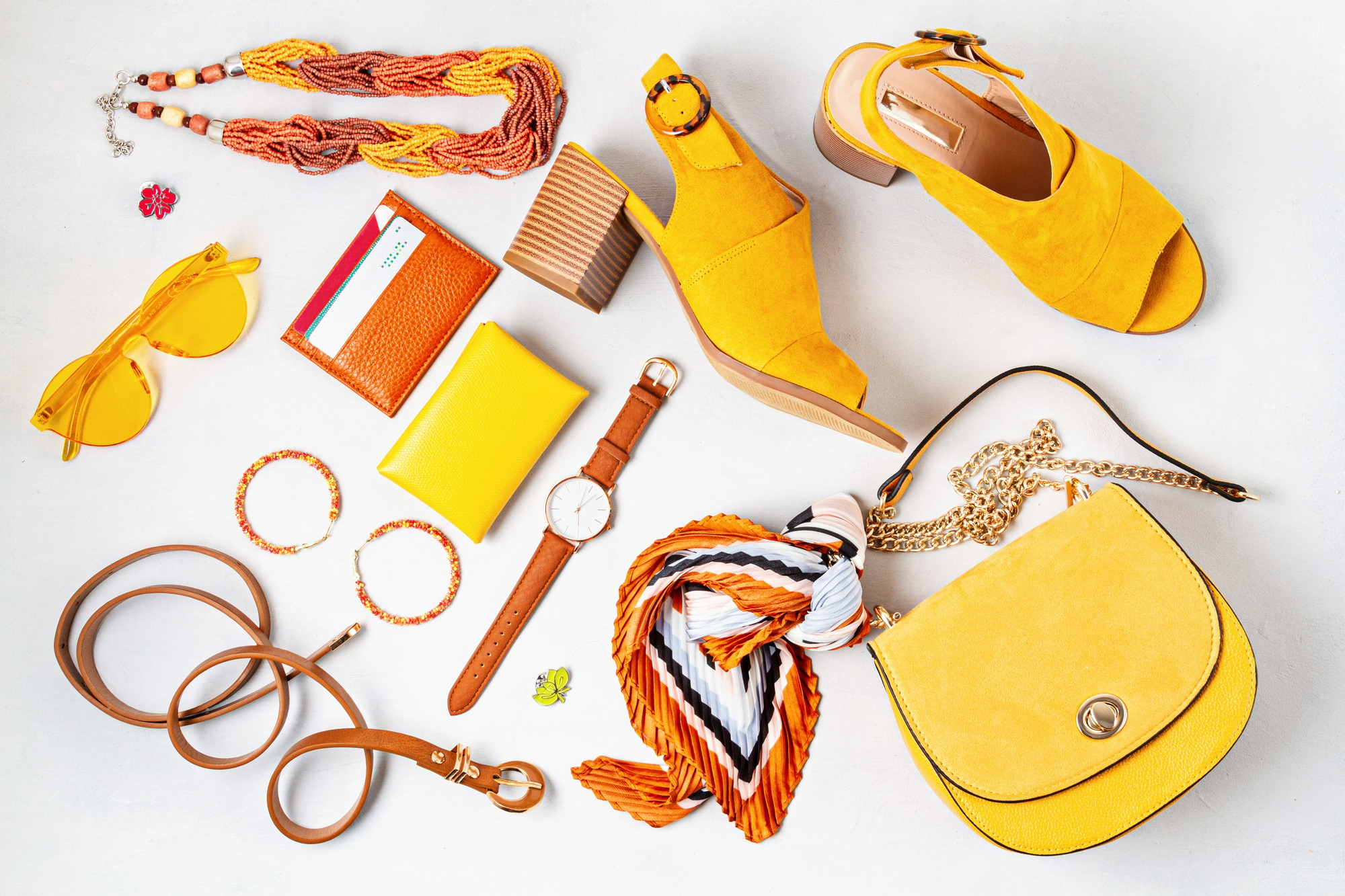
- On a bag: tie a silk scarf to a handle for a pop of color.
- As a top layer: a large cotton scarf can add coverage over a sleeveless dress or short sleeves.
- In your hair: use a thin scarf as a headband or to wrap a ponytail.
Match the Scarf to Your Outfit
- Plain outfit: choose a patterned or bright scarf.
- Patterned outfit: choose a solid scarf in one of the pattern’s colors.
- Neutral outfit: add one accent color.
- Textured coat: a smooth silk scarf creates contrast.
Caring for Your Scarves
- Check the label before washing. Silk and wool usually need gentle hand washing or dry cleaning.
- Do not wring or twist. Press water out gently with a towel.
- Dry flat, away from direct heat and sunlight.
- Store folded or rolled in a drawer, and keep wool scarves protected from moths.
- Steam gently to remove creases, and avoid pressing a hot iron directly on delicate fabrics.
Common Mistakes
- Using a heavy winter scarf with a light spring outfit
- Tying it too tight, which is uncomfortable and looks stiff
- Ignoring fabric and wearing something itchy against bare skin
- Letting a very long scarf trail near hazards such as car doors, escalators or bicycle wheels
Frequently Asked Questions
How many scarves do I need?
Three or four cover the seasons: a light silk or cotton one, a warm wool one, a large wrap and one bold statement piece.
How do I stop a silk scarf from slipping?
Tie a small knot, use a discreet pin or choose a scarf with a bit of texture. Wearing it over a cotton collar also helps.
What size should I choose?
Large squares, about 90 cm, are the most versatile. Smaller ones suit neck ties and hair.
Can scarves be worn indoors?
Light ones can, especially in air-conditioned offices. Remove heavy ones to avoid overheating.
The Takeaway
Choose light fabrics for spring and summer, richer textures for autumn and winter, and learn a handful of simple ways to wear them. A small collection of well-chosen scarves can change your outfits, protect you from the weather and bring color and style to everyday dressing.