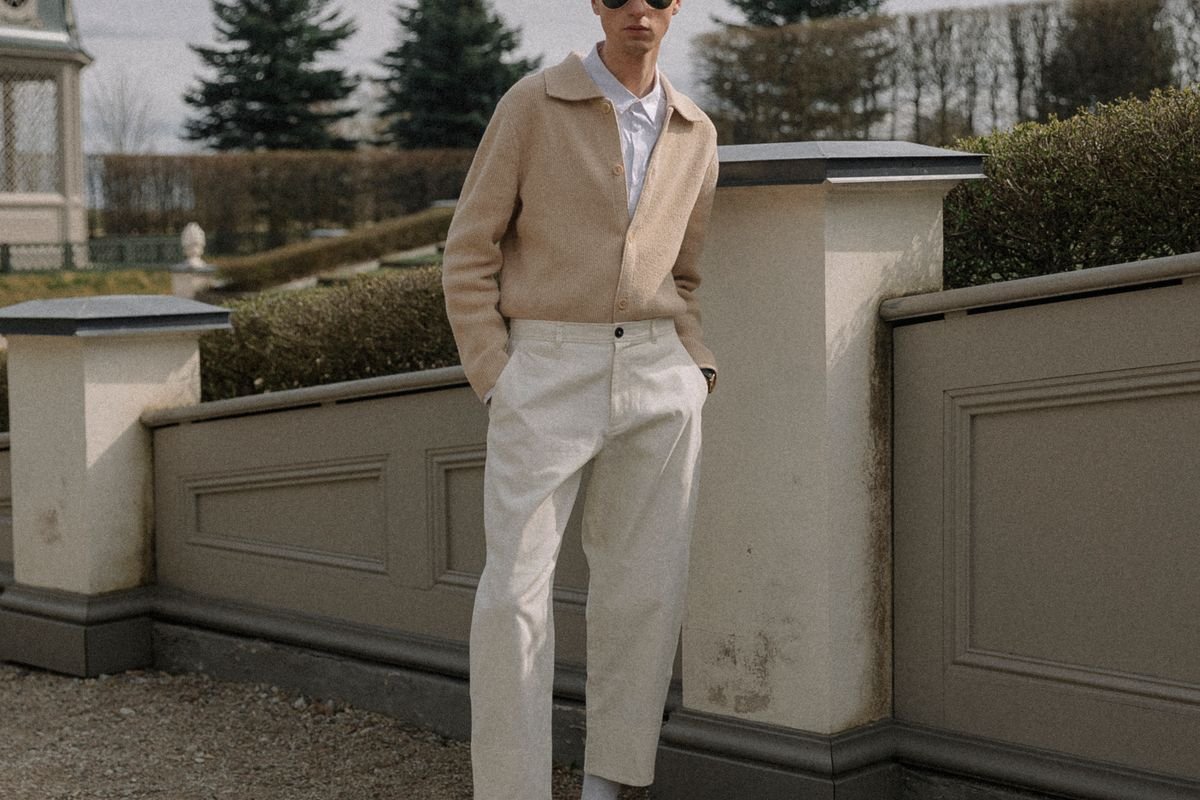
Few outfit formulas look as effortless as one color from head to toe. A monochrome outfit looks polished, takes no time to put together and makes you look taller and more streamlined. It is also one of the easiest ways to look elegant without being flashy. Here is how to do it well.
What Is a Monochrome Outfit?
A monochrome outfit uses a single color across all your clothing, from top to bottom. It can mean exactly the same shade, or different tones of the same color, such as cream, beige and camel together. Black, white, navy and grey are the classic choices, but olive, burgundy and soft pastels work beautifully too.
Why It Works
- It creates a long, unbroken line. With no contrast to cut the body in sections, the eye travels smoothly from top to bottom.
- It simplifies getting dressed. You do not have to match different colors.
- It looks intentional. One color suggests confidence and a clear sense of style.
- It suits modest dressing well. A long tunic and matching wide-leg trousers, or a long dress with a matching cardigan, create a graceful, covered look.
- It stretches your wardrobe. A neutral base outfit can be changed completely by switching a scarf, a bag or shoes.
Choose Your Color
Pick a shade that suits you and fits your lifestyle.
- Black: sophisticated and forgiving, especially for evening or work.
- Navy: softer than black and just as smart.
- Beige, cream and camel: warm, relaxed and flattering for many skin tones.
- Grey: calm and modern, easy to dress up or down.
- Olive and khaki: earthy and casual with a bit of character.
- Burgundy or deep green: rich and striking in autumn and winter.
- White: fresh and crisp in summer, but needs thicker fabrics so it is not see-through.
Look at the colors that already look good on you. If a shade makes your face look tired, wear it lower down and keep a more flattering color near your face.
Play With Tones and Textures
The biggest risk with a one-color outfit is that it looks flat. The solution is variety within the color.
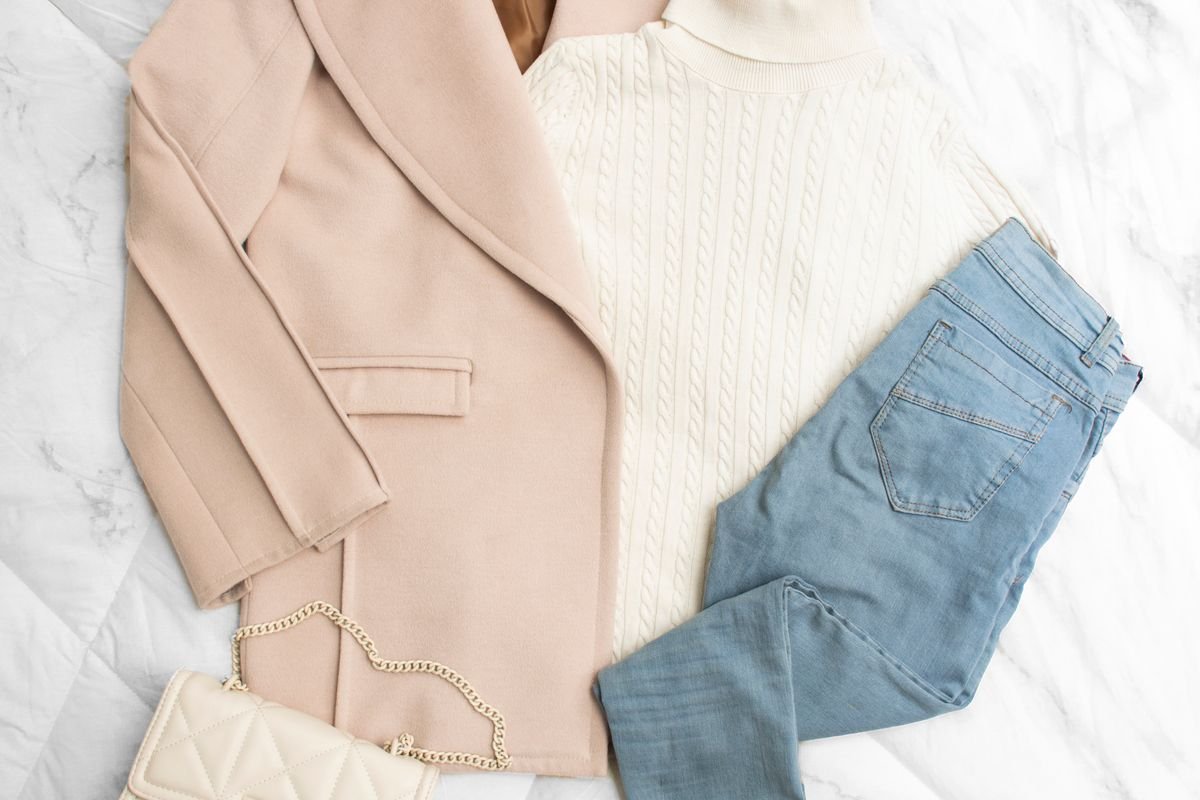
- Vary the shade. A cream sweater with camel trousers and a beige coat looks richer than one identical color.
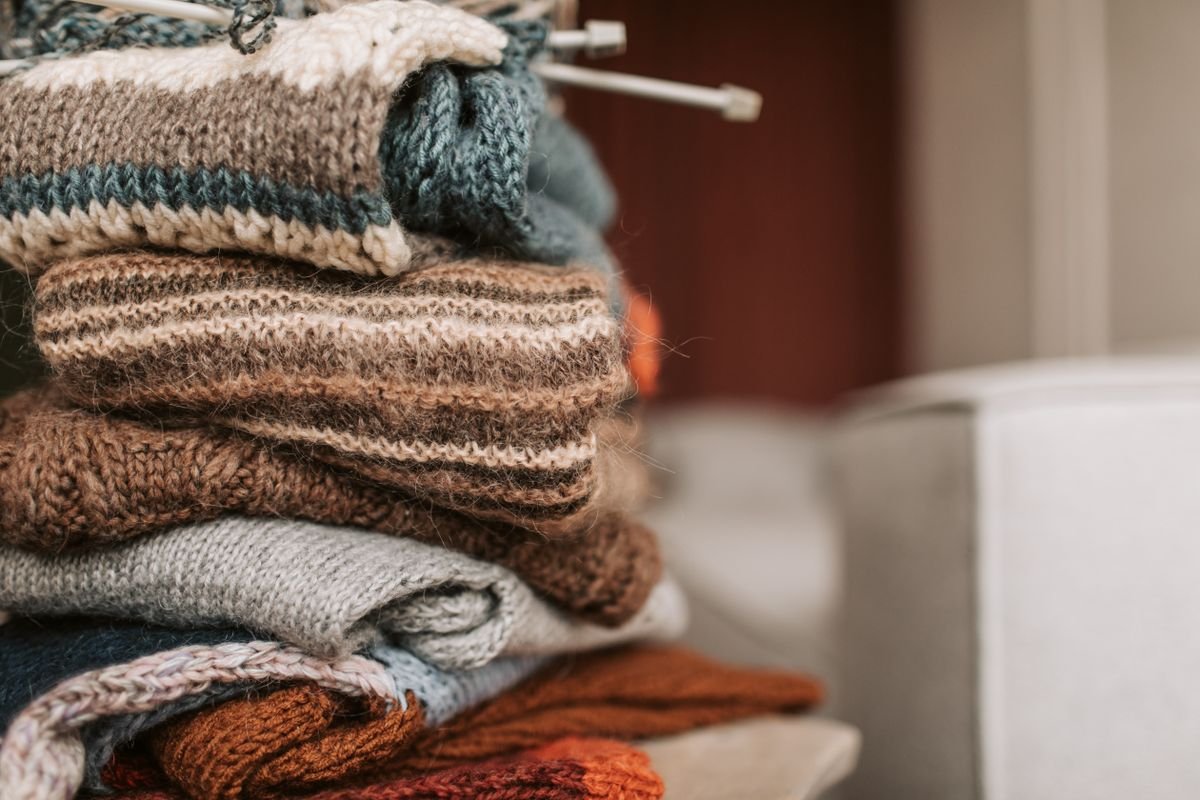
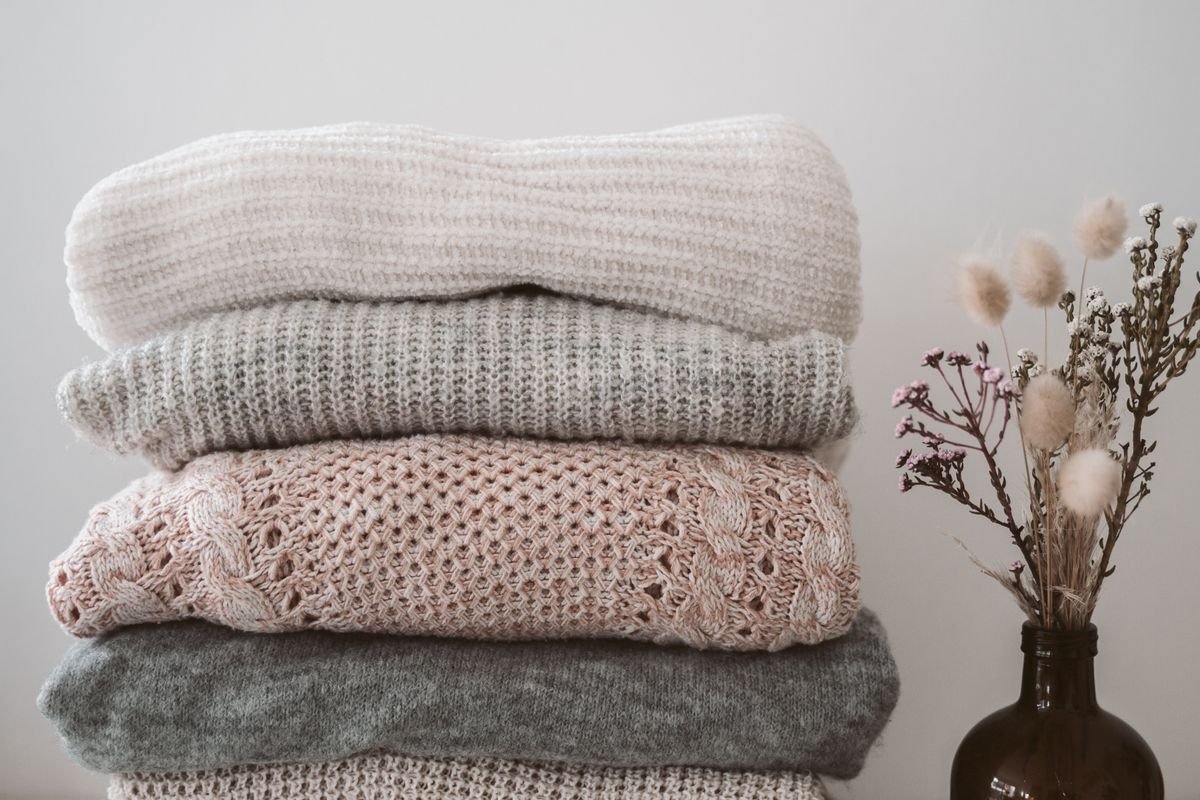
- Mix fabrics. Combine a ribbed knit, a smooth wool trouser and a soft cotton shirt, so each piece catches the light differently.
- Combine matte and shine. A satin blouse with matte trousers adds subtle interest.
- Add layers. A long coat or cardigan in a slightly different tone adds depth.
Be Careful With Undertones
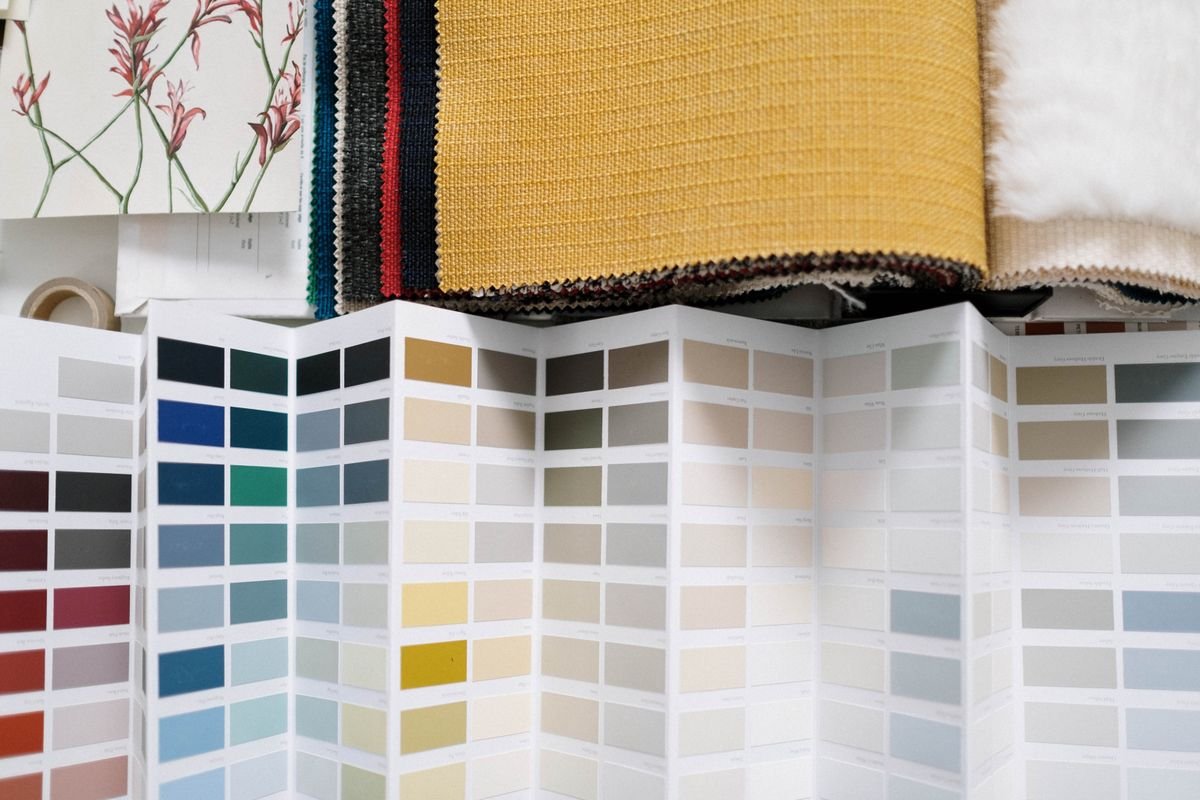
This is the part that people often get wrong. Whites, blacks and neutrals have undertones, either warm or cool. If you combine a cool, bluish white with a warm, yellowish cream, the outfit can look accidental instead of deliberate. Check your pieces together in natural daylight, and stay within the same undertone family.
Add One Contrast
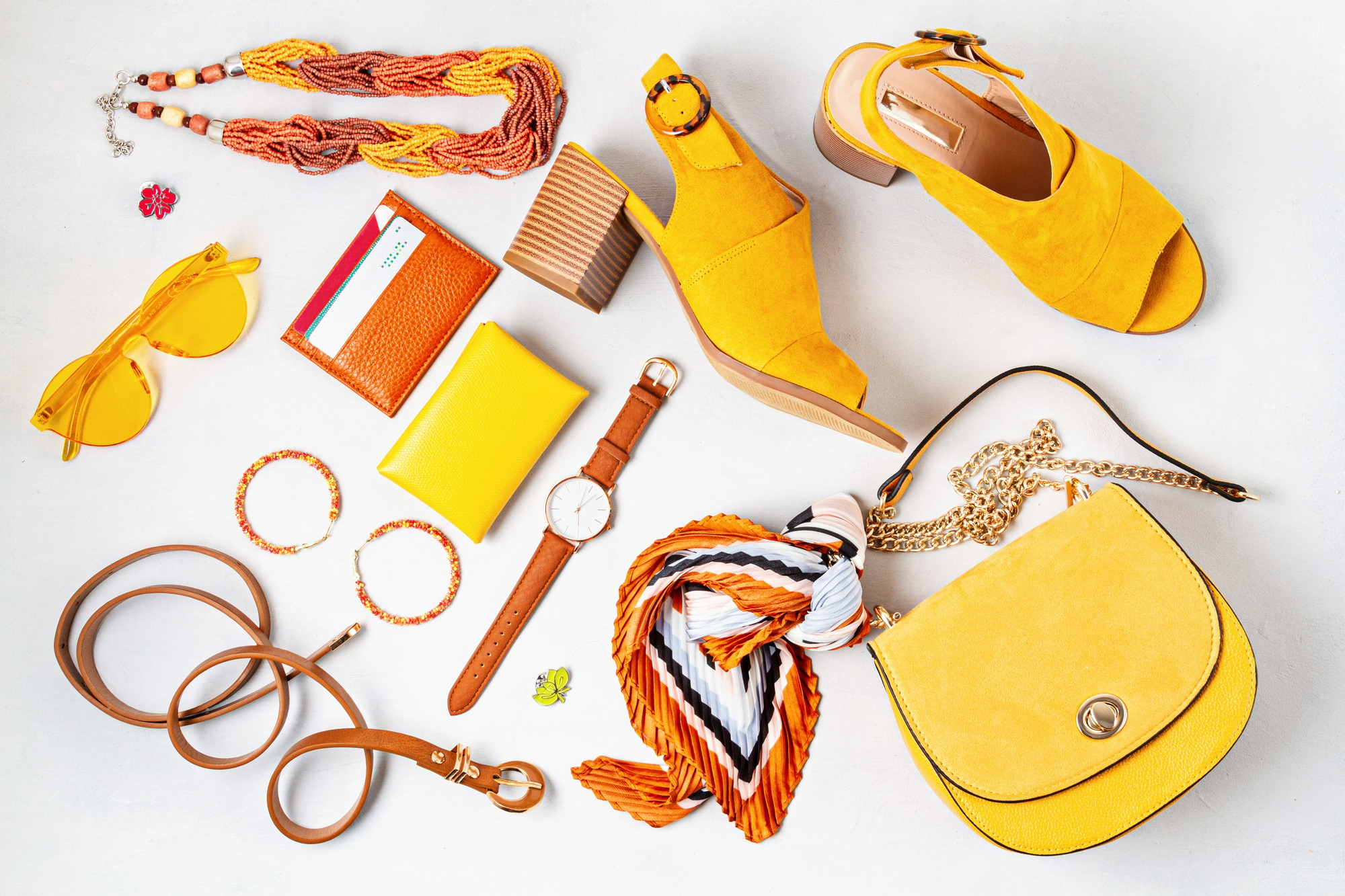
A single contrasting accessory lifts a monochrome outfit and prevents it from looking uniform.
- A bag in a bold color
- A patterned scarf that echoes your outfit’s tone
- Shoes in a contrasting shade, such as tan with navy
- A belt that defines the waist
- Jewelry in gold or silver
Keep it to one or two accents. The point is to enhance the color, not compete with it.
Outfit Ideas
- All cream for the office: a fine-knit sweater, wide-leg trousers and a long beige coat, with tan loafers.
- Navy casual: a navy tunic, straight navy trousers and a lightweight navy cardigan, with white sneakers.
- Black evening look: a long black dress, a structured black jacket and a metallic clutch.
- Olive weekend: an olive shirt, khaki trousers and a darker green jacket.
- Summer white: a white linen shirt over a white cotton top and wide white trousers, with sandals and gold jewelry.
Fit Matters More Than Ever
Because the outfit is one block of color, any fit problem is very visible. Make sure each piece fits well, hangs smoothly and is not too tight. Loose, flowing shapes work well when the color is uniform, as long as one item gives some shape, such as a belt or a structured jacket.
Common Mistakes
- Matching exactly in different fabrics. Dye batches differ, so two black items can look different. Slight variation is fine, so embrace it.
- Too many shades that clash. Keep tones close together.
- No texture. A flat, shiny outfit looks cheap, while mixed textures look expensive.
- Neglecting grooming. A simple outfit relies on neat details, from ironed fabric to clean shoes.
- Forgetting comfort. Choose breathable fabrics for hot weather.
Frequently Asked Questions
Do monochrome outfits suit everyone?
Yes. Choose a color that flatters you, and use accessories to adjust the look.
Can I wear monochrome in bright colors?
Of course. Bright monochrome outfits are bolder, so choose a shade you are comfortable in and keep the accessories simple.
Does monochrome make me look taller?
It often creates a longer visual line, especially if shoes match the trousers.
What shoes should I wear?
Match the shoes to the trousers for a longer line, or choose a contrasting shade for a deliberate accent.
The Takeaway
Pick a color you love, vary the shades and fabrics and add one contrasting accessory. Check that the undertones agree and that everything fits well. A monochrome outfit is simple to wear and impressive to see, and it works in almost every season and setting.