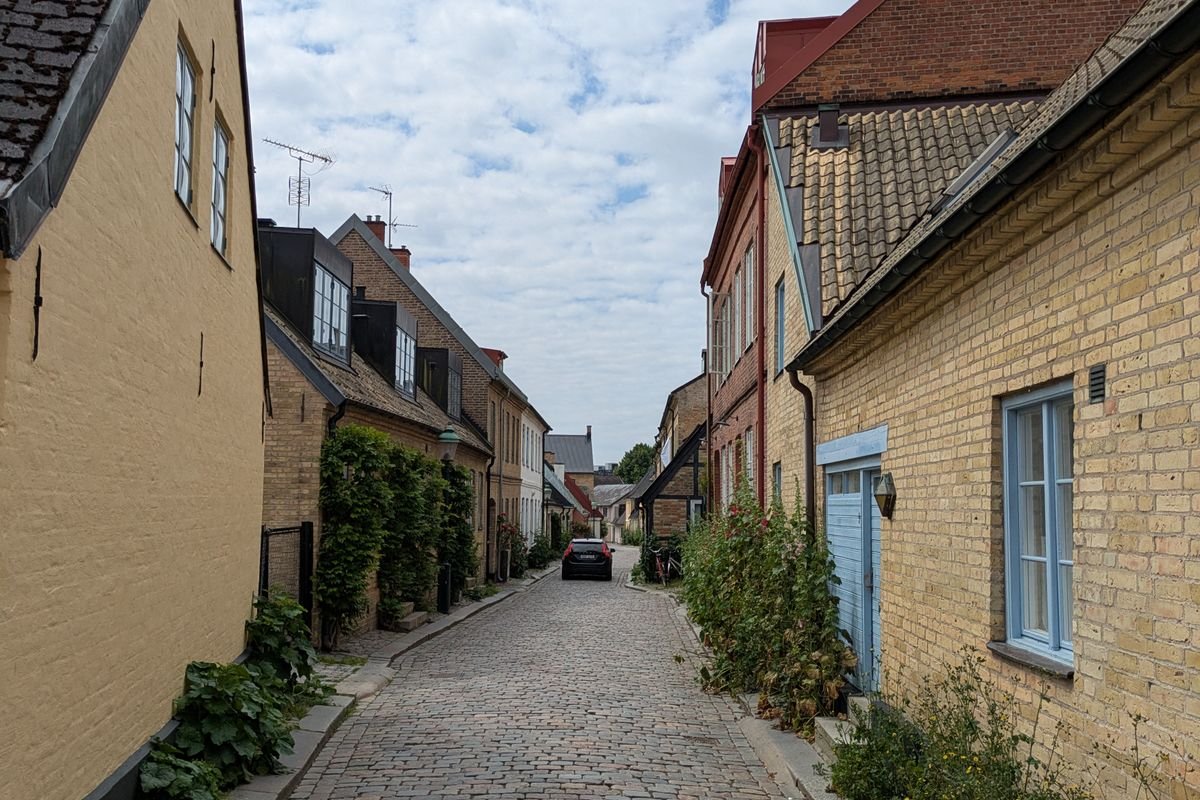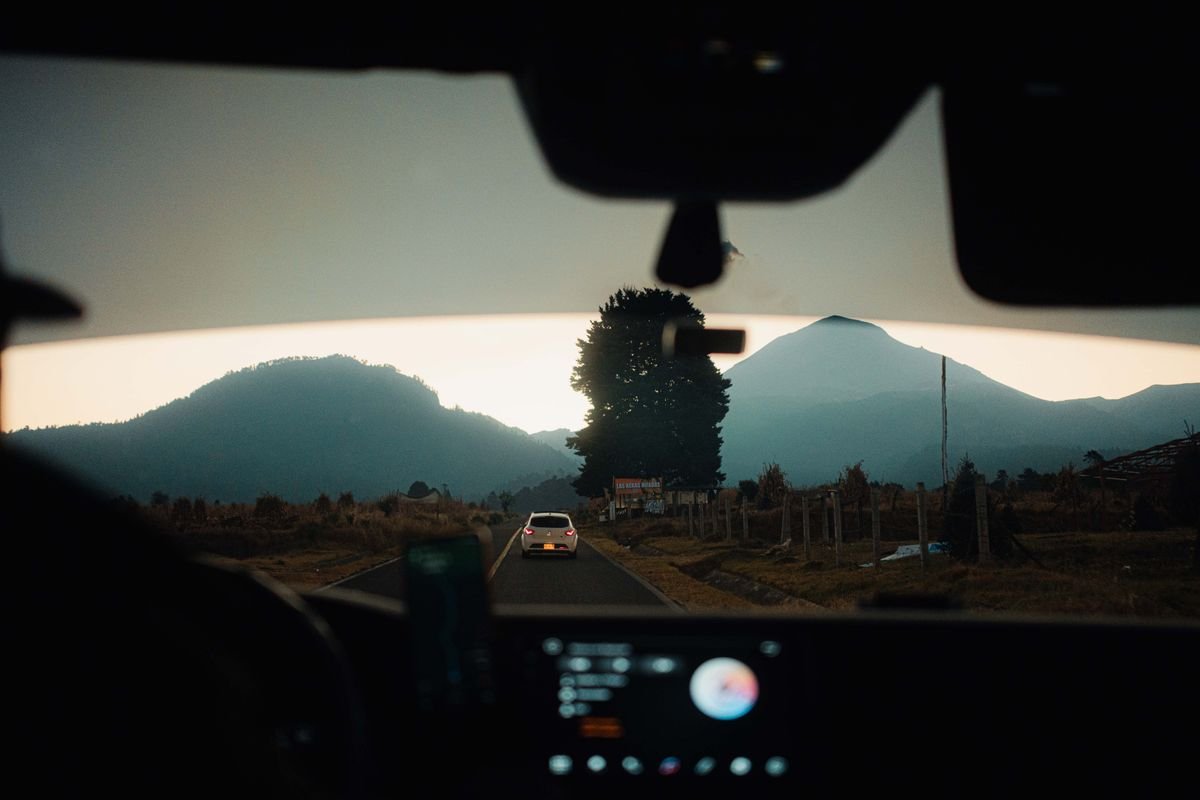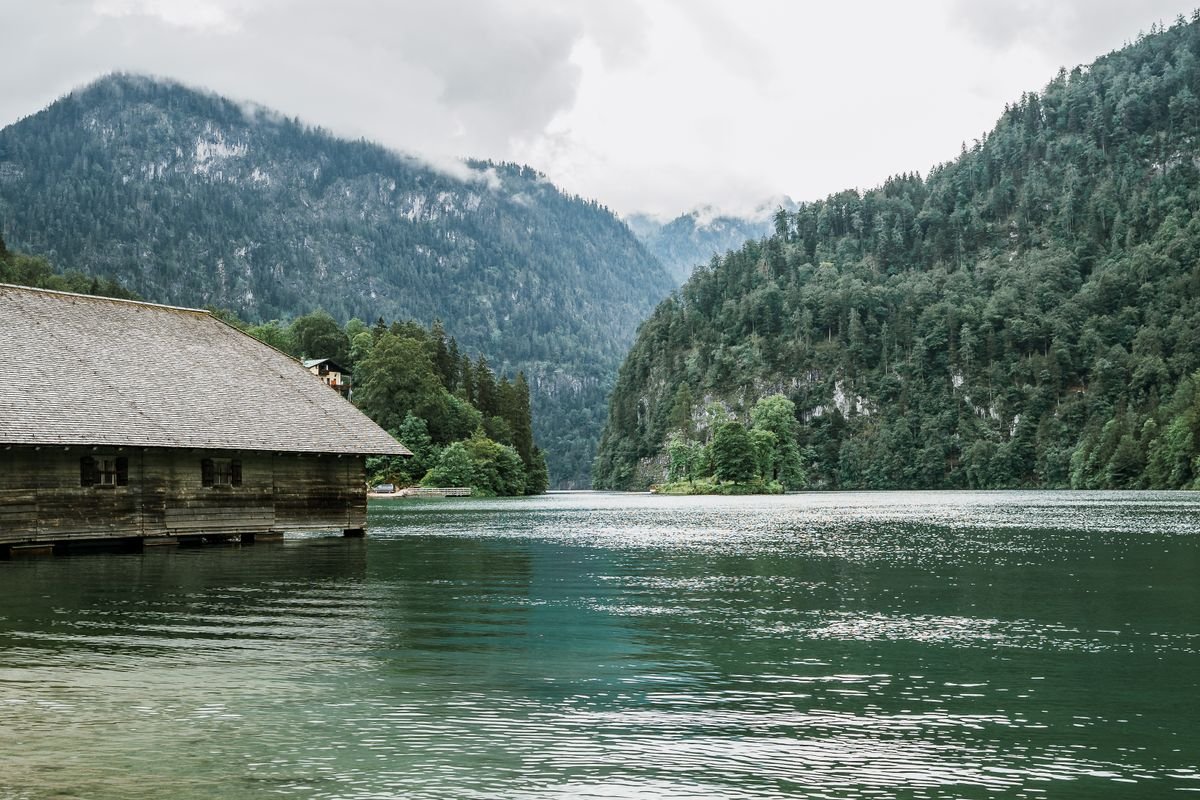
You do not need two weeks of leave to feel restored. A weekend in nature, with no schedule and no screens, can reset your mind and body more than you might expect. The key is planning just enough that you are comfortable and safe, then leaving plenty of room for stillness.
Why a Nature Weekend Works
Time outdoors in green and quiet places is widely linked with lower stress and a better mood. Fresh air, gentle movement and distance from daily pressures give your mind space to settle. A short trip close to home is also cheaper, easier to organize and kinder to the environment than a long-haul journey.
Choose the Right Destination
- Keep the travel short. Two to three hours each way means you spend your weekend relaxing, not stuck in traffic.
- Pick one base. A lake, a forest, a valley, a mountain village or a quiet stretch of coast works well.
- Check the season. Weather, daylight hours and trail conditions all change what is possible and comfortable.
- Think about who is going. Children, older relatives and beginners need gentler terrain and easy access to facilities.
- Look for calm. Avoid places known for crowds or loud events if what you want is peace.
Choose Where to Stay
- A cabin or cottage. Private, cozy and ideal for families or small groups. Many have a kitchen, so you can prepare your own meals.
- A guesthouse or small family-run hotel. Comfortable, friendly and often serving local breakfast.
- A campsite. Affordable and close to nature. Good for those with some experience and the right equipment.
- A farm stay or eco-lodge. A chance to experience rural life and good local food.
Book early for weekends, especially in good weather, and check what is included, such as heating, bedding and parking.
Plan a Gentle Itinerary
The biggest mistake is packing the weekend with activities. Aim for one main outing a day, and fill the rest with rest and simple pleasures.
Friday evening
- Arrive before dark, settle in and walk around the area.
- Prepare a simple dinner and go to bed early.
Saturday
- Enjoy a slow breakfast.
- Take a morning walk or an easy hike of two to four hours, at a comfortable pace.
- Have a picnic lunch with a view.
- Spend the afternoon resting, reading, sketching or just sitting by the water.
- Cook together and watch the sunset.
Sunday
- Rise early for a quiet walk or the sunrise.
- Have a leisurely breakfast and pack up.
- Visit a local market or village on the way home.
What to Pack
- Layers. Mountain and forest weather can change quickly. Pack a light base layer, a warm mid-layer and a waterproof jacket.
- Sturdy, comfortable footwear that you have already worn in.
- Sun protection, including a hat, sunglasses and sunscreen.
- Water bottles and enough drinking water for the day.
- Snacks and a picnic kit. Fruit, nuts, sandwiches, a flask of tea and a small blanket.
- A small daypack for walks.
- A basic first-aid kit, including plasters, antiseptic, pain relief and any personal medicines.
- A torch or headlamp, since rural areas can be very dark.
- Insect repellent, in season.
- A power bank, but try to keep your phone in your pocket.
- Something for quiet time, such as a book, a notebook or a deck of cards.
Walk Safely
- Check the weather forecast and trail conditions before you set out.
- Download an offline map, since phone signal may be patchy.
- Tell someone where you are going and when you plan to return.
- Stay on marked paths, and turn back if conditions worsen or you feel tired.
- Start early so you finish well before dark.
- Carry more water than you think you need.
- Be careful near water, cliffs and slippery rocks, and supervise children closely.
Disconnect on Purpose
The benefits of a nature break increase when you actually step away from screens. Agree on simple ground rules, such as phones off at meals and during walks, and check messages only once a day. Use the time to talk, notice details and let your mind wander.
Leave No Trace
- Take all your rubbish home, including fruit peels.
- Stay on paths to protect plants and soil.
- Do not pick flowers or disturb wildlife.
- Keep noise low out of respect for animals and other visitors.
- Follow local rules about fires, camping and parking.
- Leave natural objects, such as stones and shells, where you found them.
Support Local Communities
Buy fruit, bread, honey or crafts from local producers, eat at small family-run places and treat local people and their customs with respect. It enriches your trip and helps the places you love to thrive.
Simple Pleasures to Enjoy
- A slow walk with no destination
- A picnic by a stream
- Stargazing on a clear night
- Reading in a hammock or on a bench
- Sketching or journaling
- Gathering around a table for a long meal
- Watching the sunrise with a hot drink
Frequently Asked Questions
How far should I travel?
Two to three hours is a good limit. Beyond that, the travel time eats into the rest.
Is it suitable for children?
Yes, with short walks, simple play and plenty of snacks. Children often love exploring streams, rocks and trees.
What if it rains?
Pack rain gear and board games. A cozy cabin and a hot drink make a rainy day just as memorable.
Do I need to be fit?
No. Choose gentle routes and adapt the plan to your abilities. The goal is rest, not performance.
The Takeaway
Choose a place close to home, keep your plans light and pack for comfort and safety. Walk slowly, put your phone away and leave the place as you found it. A peaceful weekend in nature costs little, asks for little and gives back more than you expect.