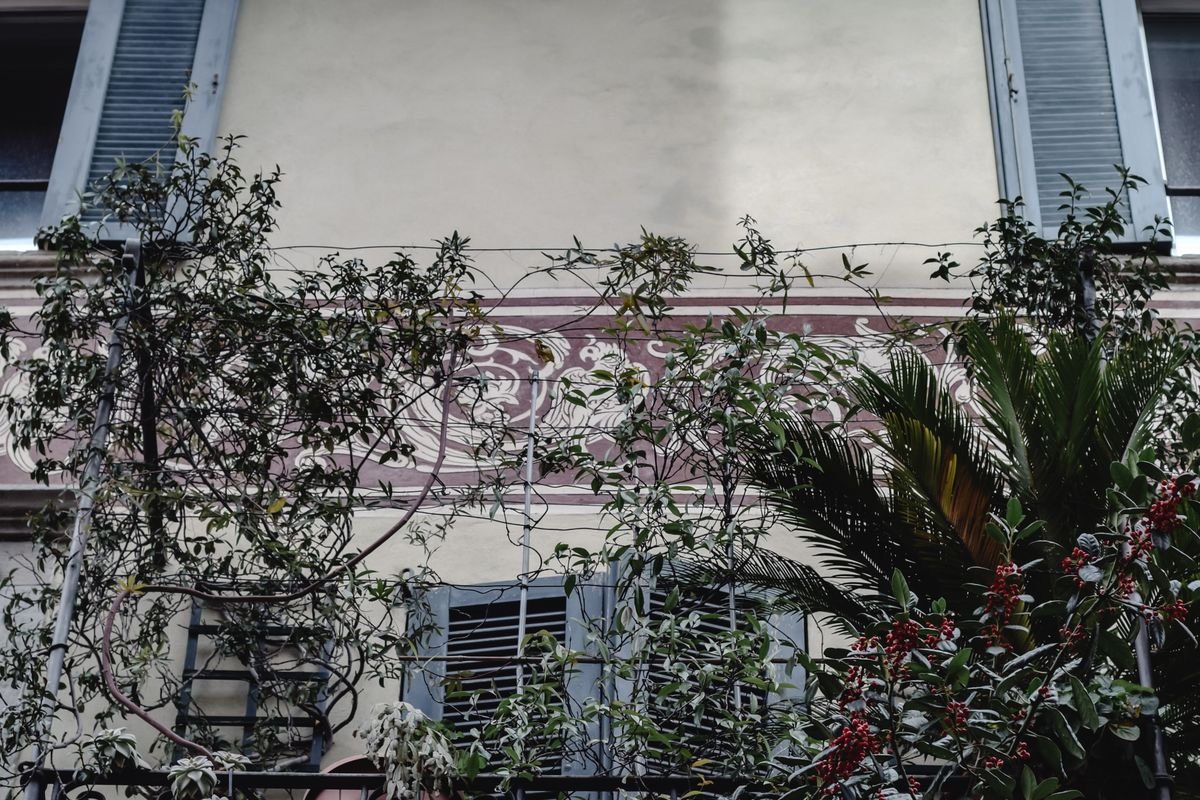
You do not need a garden to grow your own food. A balcony, even a small one, can hold a surprising number of herbs, leafy greens and even tomatoes. Fresh mint for your tea, parsley for a salad and a few ripe cherry tomatoes within arm’s reach make a small outdoor space feel like a real retreat.
Start by Studying Your Space
Before you buy a single pot, spend a day observing your balcony.
- Sunlight. Count how many hours of direct sun it gets. Six hours or more suits tomatoes, peppers and most herbs. Three to four hours is enough for leafy greens and mint.
- Wind. Balconies on high floors can be very windy. Wind dries out soil and damages tall plants, so choose sturdy pots and low-growing varieties.
- Weight. Wet soil is heavy. Check your building’s load limits if you plan to have many large containers.
- Rules. Some buildings restrict hanging planters on railings or water draining onto neighbors. Check before you start.
Choose the Right Containers
- Drainage holes are essential. Without them roots rot. Place a saucer or tray underneath to catch water.
- Size matters. Herbs thrive in pots 20 to 25 cm wide. Tomatoes and peppers need at least 30 to 40 cm of depth.
- Material. Terracotta looks lovely but dries out quickly. Plastic and glazed ceramic hold moisture longer. Fabric grow bags are lightweight and breathable.
- Light colors. In hot climates, pale pots stay cooler than dark ones.
Use Good Soil
Garden soil is too heavy for containers. Buy a quality potting mix designed for pots, which drains well and stays light. Mix in a handful of compost for nutrients. Replace or refresh the soil each season.
What to Grow
Easy herbs
- Mint: grows vigorously. Keep it in its own pot, because it spreads and takes over neighbors.
- Parsley and coriander: enjoy partial shade in hot weather.
- Basil: loves sun and warmth. Pinch off the tops to encourage bushy growth.
- Thyme, rosemary and oregano: tough, sun-loving and drought tolerant.
- Chives: small, hardy and good for regular cutting.
Leafy greens
- Lettuce, spinach, rocket and Swiss chard grow quickly and tolerate some shade.
Vegetables and fruit
- Cherry tomatoes in large pots with a stake
- Peppers and chili plants
- Radishes and spring onions
- Strawberries in hanging baskets or tiered planters
Flowers for color
- Marigolds, nasturtiums and geraniums add color and attract helpful insects.
Grow Upward
When floor space runs out, use the walls and railings.
- Railing planters that hook securely onto the balcony rail
- Wall-mounted shelves or hanging pockets for herbs
- Tiered plant stands
- Trellises for climbing beans, peas and cucumbers
Make sure everything is firmly attached. Falling pots are dangerous for people below.
Watering Wisely
- Check the soil with your finger. If the top 2 to 3 cm is dry, it is time to water.
- Water slowly until you see water coming from the drainage holes.
- Water early in the morning or in the evening, when less evaporates.
- Container plants may need water daily in hot weather.
- Collect cooled cooking water from boiling vegetables, as long as it contains no salt, for a free boost.
Overwatering is as harmful as underwatering. Wet, soggy soil and yellow leaves are warning signs.
Feeding Your Plants
Nutrients wash out of pots quickly. Feed fruiting plants such as tomatoes and peppers every two weeks with a balanced liquid fertilizer, following the label. Leafy herbs need less feeding. Compost tea or worm castings are gentle natural options.
Protecting Plants From Sun and Wind
- In fierce summer sun, shade delicate plants with a light cloth or shade net during the hottest hours.
- Group pots together to protect each other from wind and keep moisture in.
- Move tender plants indoors on cold nights.
- Use a windbreak, such as a lattice screen or tall grasses, on very exposed balconies.
Dealing With Pests
Check leaves, especially undersides, every few days. Remove small infestations by hand or with a spray of water. A mild soap spray works against aphids. Healthy, well-spaced plants are naturally more resistant, so avoid crowding.
Harvesting
Pick herbs often. Regular cutting encourages new growth. Take leaves from the outer parts and leave the center to continue growing. Harvest greens when they are young and tender, and pick tomatoes when fully colored.
Frequently Asked Questions
What is the easiest plant to start with?
Mint, parsley and chives are very forgiving. They grow in many conditions and reward you quickly.
Can I grow vegetables on a shaded balcony?
Yes. Leafy greens, herbs like mint and parsley and radishes do well with only a few hours of sun.
Should I grow from seed or buy seedlings?
Seedlings are easier and faster for beginners. Seeds are cheaper and suit fast growers such as lettuce and radishes.
How do I keep water off my neighbors?
Use saucers under every pot, water slowly and avoid overfilling, so excess water is collected.
The Takeaway
Observe your light, choose the right containers and start with easy herbs and greens. Add height with railings and walls, water with care and harvest often. A small balcony garden gives you fresh flavor, a little greenery and a peaceful corner to enjoy.