A good road trip feels spontaneous, but the best ones are planned carefully behind the scenes. A little preparation protects your budget, your safety and your mood, so the road becomes part of the pleasure instead of a stress to endure.
Choose a Realistic Route
The most common mistake is trying to cover too much distance. A map may show a short drive, but mountain roads, traffic, border crossings and breaks all take time.
- Aim for about four to six hours of driving per day, especially with children or older passengers.
- Add a buffer of an hour or two for delays and detours.
- Check road conditions, closures and weather before you set out.
- Look for scenic stops along the way, so the journey has highlights and not just distance.
Prepare the Car
A breakdown far from help can ruin a trip. A week before you leave, check the essentials or ask a trusted mechanic to do it.
- Tires: pressure, tread and the spare tire, along with the jack and wrench.
- Fluids: engine oil, coolant, brake fluid and windshield washer fluid.
- Brakes and battery: have them inspected if they are old or you notice anything unusual.
- Lights and wipers: make sure they all work.
- Service: if a service is due soon, do it before the trip.
Paperwork and Documents
- Driving license, and an international permit if you need one for the country
- Vehicle registration and insurance papers
- Passports or ID cards if crossing borders
- Accommodation bookings and emergency contacts
- A printed or offline copy of key documents, in case of no signal
Navigation and Connectivity
Download offline maps for your whole route, since signal can disappear in rural areas and mountains. Keep a phone charger or a power bank in the car, and carry a paper map or written directions as a backup for long, remote stretches.
Build a Simple Budget
Road trip costs add up quickly, but most of them are predictable.
- Fuel: estimate by multiplying the total distance by your car’s fuel consumption, then by the local fuel price. Add 10 percent for detours and traffic.
- Tolls and parking: check them in advance. Some roads and cities charge fees, and carrying some cash helps.
- Accommodation: book at least your first and last nights, and consider flexible bookings for the rest.
- Food: a cooler bag with snacks, fruit and water saves money and keeps you from eating poorly at service stations.
- Extras: entry fees, activities and a small emergency fund.
Plan Breaks and Share the Driving
Driver fatigue is a serious risk. Stop at least every two hours for ten to fifteen minutes, stretch your legs and drink some water. If there are two drivers, swap regularly. Never push on when you feel sleepy. Pull over somewhere safe and rest, even if it delays your schedule.
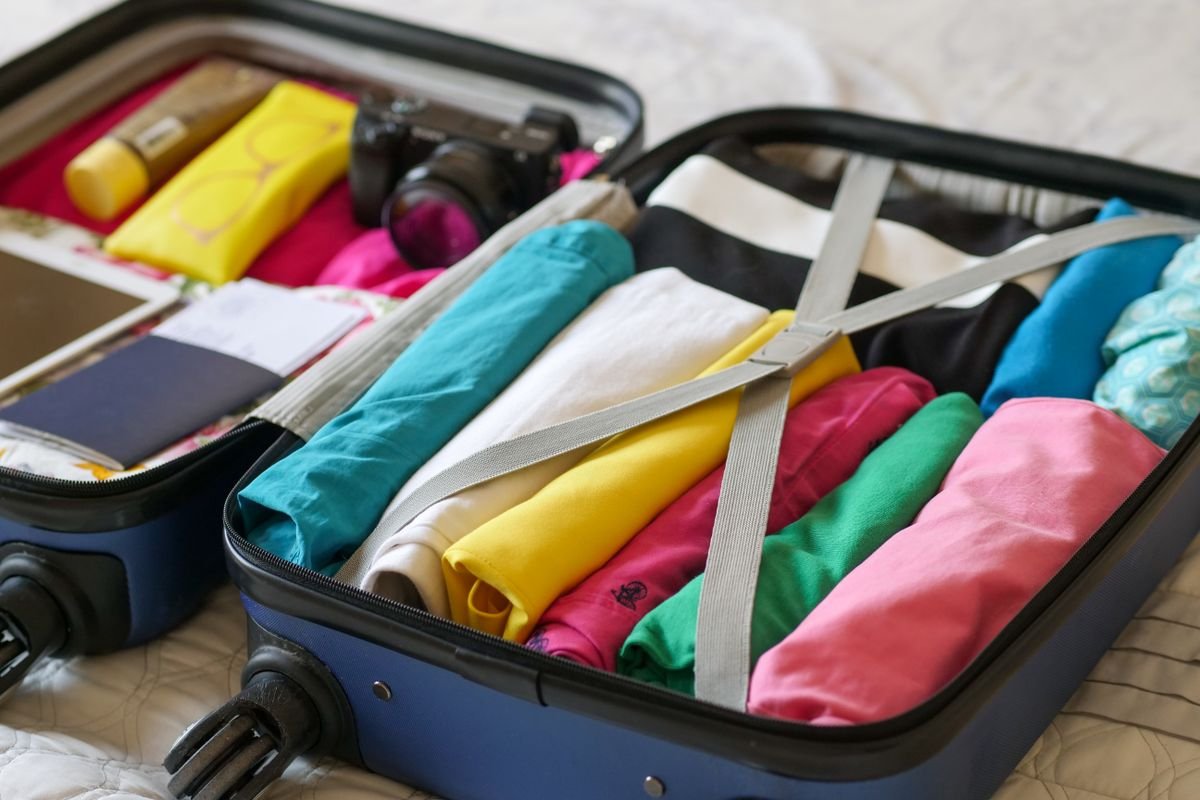
Pack Smart
- Emergency kit: first aid supplies, a torch, a warning triangle, jumper cables, a basic toolkit and a reflective vest.
- Comfort items: a blanket, a small pillow, sunglasses and a sun shade.
- Cleaning basics: wet wipes, tissues, bin bags and hand sanitizer.
- Entertainment: playlists, audiobooks and podcasts downloaded in advance.
- Snacks and water: easy-to-eat, low-mess options and plenty of drinking water.
Pack so that the things you need during the day, such as snacks, jackets and chargers, are easy to reach, and keep heavy luggage low and secure.
Know the Local Driving Rules
If you are crossing borders, learn the speed limits, the rules about headlights, mandatory equipment and any toll systems. Rules about seat belts and child seats differ from place to place, so check them before you go.
Keep It Flexible
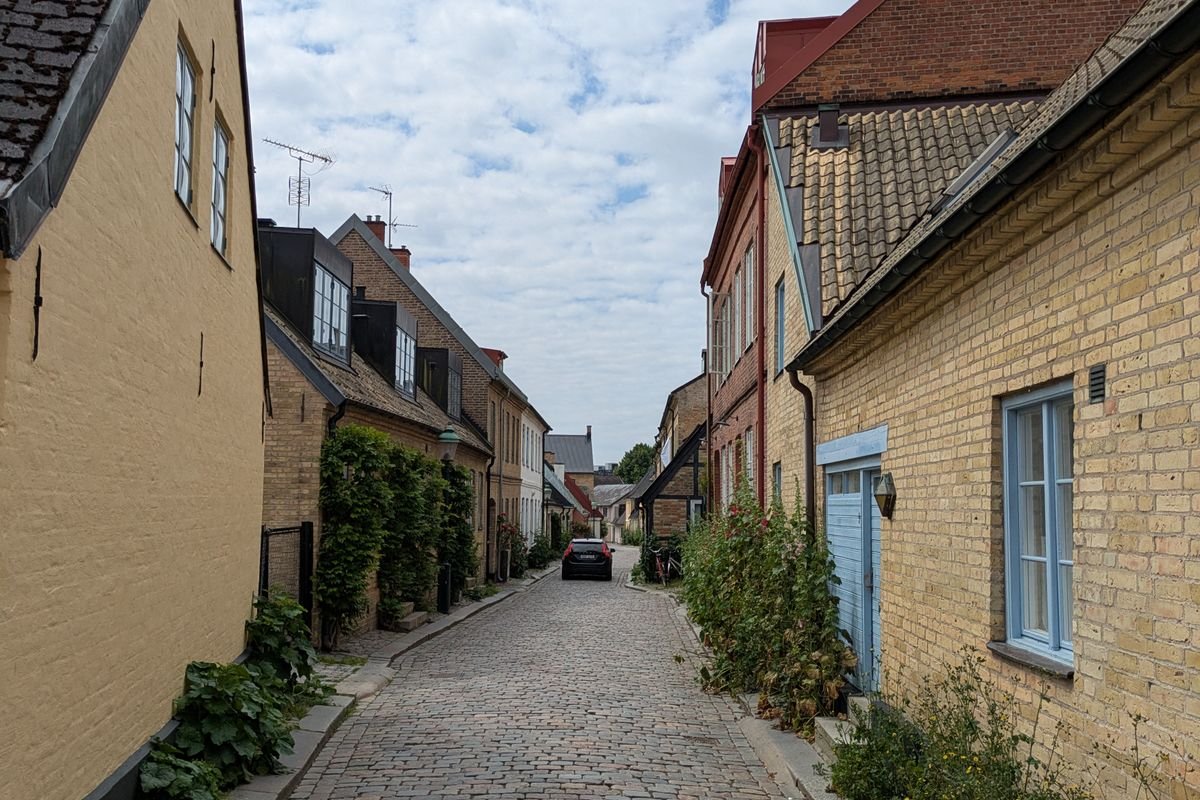
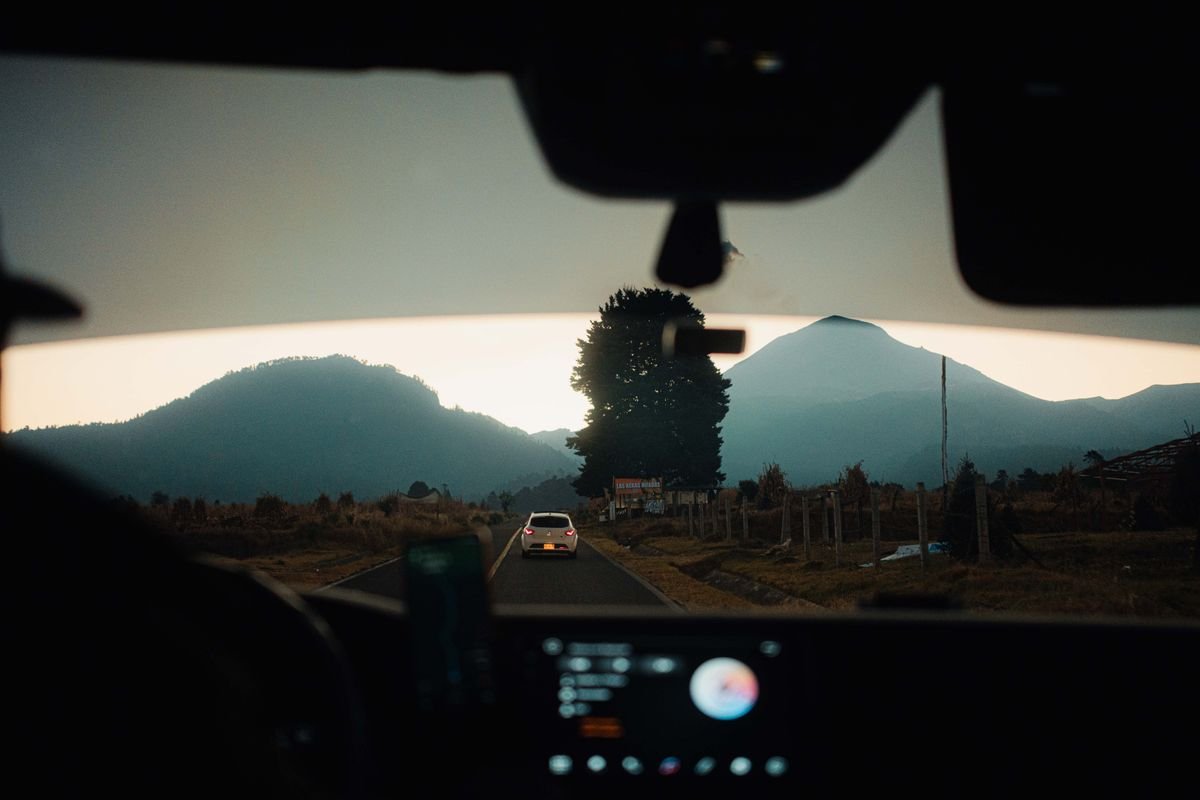
Plans are useful, but the best moments sometimes come from detours. Leave space in your schedule for a viewpoint, a small town or a roadside market. If you find a place you love, staying an extra night is easy when you have not packed every day tight.
Frequently Asked Questions
How far should I drive in a day?
Most people are comfortable with four to six hours. More than that leads to fatigue, and you miss the places along the way.
Should I book everything in advance?
Book the key items such as the first night and busy-season stays, and keep a few days flexible.
What if my car breaks down?
Move to a safe place, switch on hazard lights, and call your roadside assistance or insurance provider. Keep their numbers handy before you leave.
How can I save fuel?
Keep tires properly inflated, drive at steady speeds, remove unnecessary weight and avoid roof racks when you can.
The Takeaway
Choose a sensible route, check the car, prepare your documents and budget, and plan regular breaks. With those basics in place, you are free to enjoy the open road, the scenery and the unplanned stops that make a road trip memorable.