A well-stocked spice rack turns plain rice, vegetables and chicken into meals with real depth. You do not need fifty jars. A dozen carefully chosen spices cover a huge range of cooking, from soups and stews to roasted vegetables and marinades.
The Starter Twelve
These spices are versatile, affordable and used in kitchens all over the world.
- Cumin. Earthy and warm. A cornerstone of stews, lentils, roasted vegetables and meat dishes.
- Coriander (ground). Mild, citrusy and slightly sweet. It rounds out other spices and works well in curries and marinades.
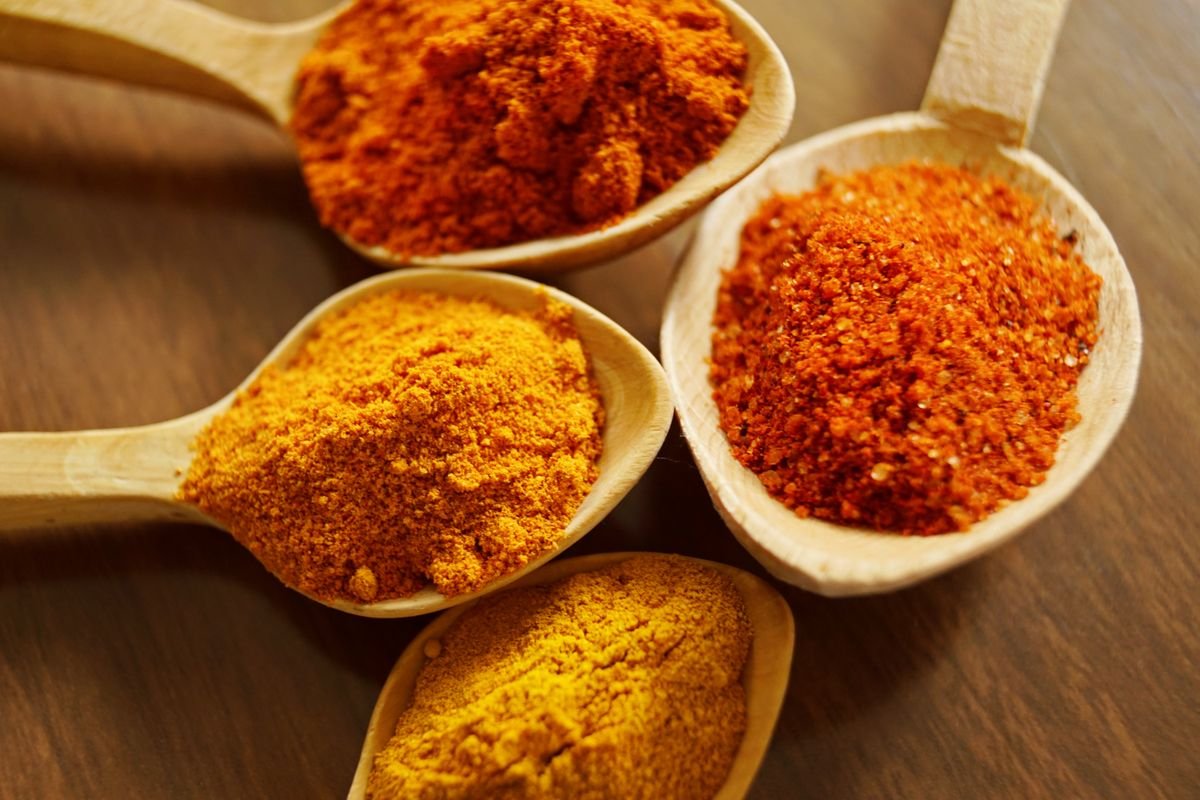
- Turmeric. Gives a golden color and a gentle, earthy flavor. Use it in rice, soups and lentil dishes.
- Sweet paprika. Adds color and mild sweetness to stews, roasted chicken and potatoes.
- Smoked paprika. A little goes a long way for a deep, smoky note in beans, vegetables and grilled food.
- Black pepper. Best freshly ground. It adds heat and brightness to almost everything.
- Cinnamon. Not only for desserts. A pinch deepens tomato sauces, rice dishes and slow-cooked meat or chickpeas.
- Ginger (ground). Warm and zesty. Useful in baking, curries, soups and marinades.
- Chili flakes. Adds heat on your terms. Start with a small pinch.
- Garlic powder. A handy backup when you have no fresh garlic, especially in rubs and spice blends.
- Dried oregano or thyme. A dried herb for tomato sauces, roasted vegetables and chicken.
- Caraway or fennel seeds. Aromatic and slightly sweet. Good in breads, vegetable dishes and stews.
Add fine salt and a good cooking oil to your pantry, and you can cook an enormous variety of meals.
Whole or Ground?
Whole spices, such as cumin seeds, coriander seeds and peppercorns, keep their flavor much longer than ground ones. Grind them as you need them in a small grinder or a mortar and pestle. Ground spices are more convenient, though, and perfectly fine if you replace them regularly.
- Ground spices stay fresh for roughly six months to a year.
- Whole spices can last two years or more when stored well.
Wake Up Your Spices
Two simple techniques bring out more flavor.
- Toast whole spices. Heat them in a dry pan over medium heat for one to two minutes, until fragrant. Cool before grinding.
- Bloom ground spices in oil. Add them to warm oil with your onions for about 30 seconds, stirring constantly, before adding liquid. Do not let them burn, as burnt spices turn bitter.
Storing Spices Properly
Heat, light and moisture are the enemies of flavor.
- Use airtight jars, ideally in a drawer or cupboard away from the stove.
- Avoid shaking spices directly from the jar over a steaming pot, since steam gets inside.
- Label every jar with the name and the date you bought it.
- If a spice has little smell when you rub a pinch between your fingers, it is time to replace it.
Simple Pairings to Get Started
- Lentils or chickpeas: cumin, coriander, turmeric and a little chili
- Roasted vegetables: paprika, black pepper and dried oregano
- Roast chicken: paprika, garlic powder, black pepper and thyme
- Rice: turmeric, a cinnamon stick and a few cumin seeds
- Tomato sauce: oregano, a pinch of cinnamon and chili flakes
- Baking: cinnamon and ginger
Building Your Own Blends
Once you know your single spices, blending is easy and cheaper than buying ready-made mixes. A simple all-purpose blend might include two parts cumin, two parts paprika, one part coriander, one part garlic powder and a little black pepper. Make a small jar and use it for rubs and roasted vegetables. Many cuisines have famous blends, such as garam masala, za’atar and ras el hanout. They are worth exploring once your basics are covered.
Check the Labels
Buy from shops with a quick turnover, and look at the ingredient list. Pure spices should contain only the spice. Pre-mixed blends sometimes include added salt, sugar, flavor enhancers or anti-caking agents, so read them if you have dietary needs or preferences.
Frequently Asked Questions
How much spice should I use?
As a starting point, use about 1/2 to 1 teaspoon of each spice per 2 to 4 servings, then taste and adjust.
Can I substitute one spice for another?
Sometimes. Sweet paprika can stand in for a mild chili, and thyme can replace oregano. The flavor changes, but the dish will usually still work.
Is it worth buying spices in bulk?
Only for those you use often. Buy small quantities of the rest, since old spices lose flavor.
What is the difference between cumin and caraway?
They look similar but taste different. Cumin is earthy and warm, while caraway is sharper with a hint of anise.
The Takeaway
Start with a dozen essentials, store them well and replace them regularly. Toast or bloom them to unlock flavor, then experiment with pairings. A small, fresh spice collection will improve your cooking more than any piece of kitchen equipment.