Airports can bring out the worst in the best of us. Long queues, tight connections, unexpected delays and the constant fear of missing your flight turn a simple journey into a stressful one. A bit of preparation, a clear head and a few practical habits make the whole experience far calmer.
Before You Leave Home
- Check in online. Many airlines open online check-in 24 to 48 hours before departure. It saves time and often lets you choose your seat.
- Download your boarding pass. Keep a digital copy on your phone, and consider a screenshot or a printed copy as a backup.
- Check your documents. Passports should be valid for the period required by your destination, often six months beyond your stay. Check visa and health requirements.
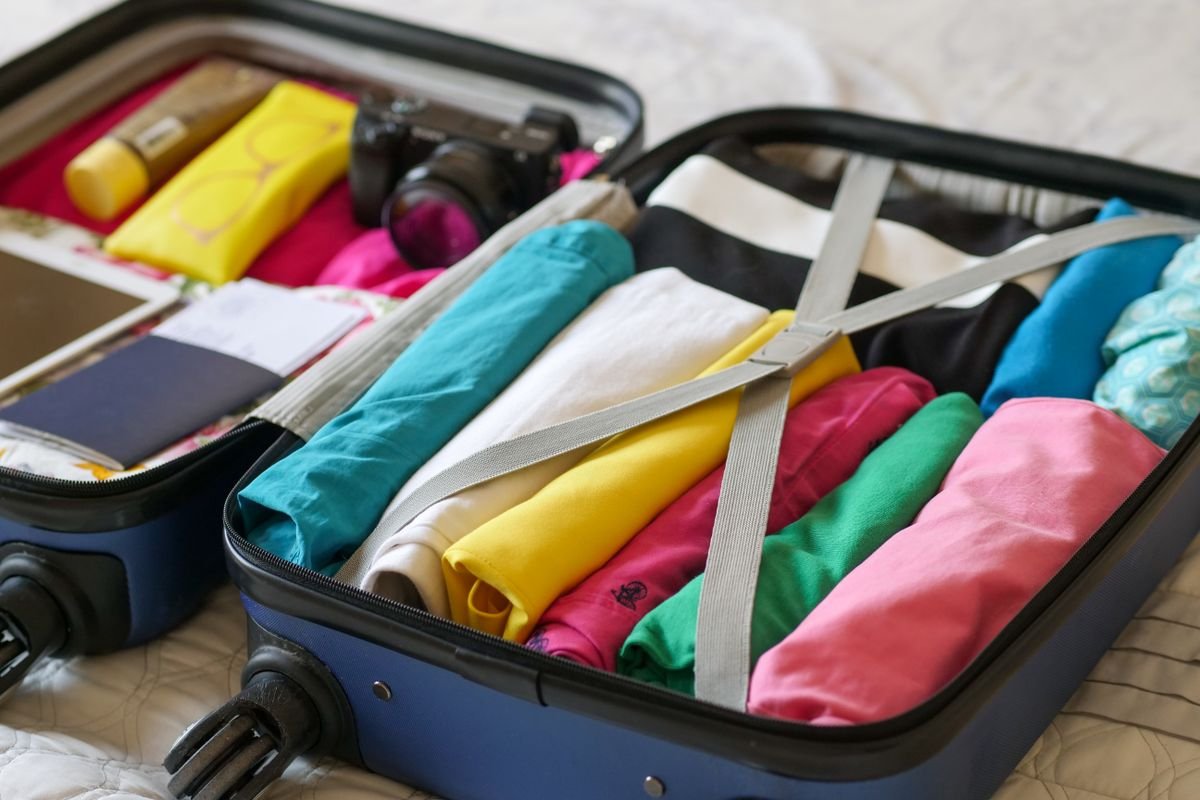
- Review baggage rules. Weight and size limits differ between airlines, and excess baggage charges at the desk are expensive.
- Charge your devices, and pack a power bank and a charging cable in your hand luggage.
- Plan your route to the airport. Allow extra time for traffic and parking, or choose reliable public transport.
How Early Should You Arrive?
Airlines and airports publish guidelines, but a common rule is about two hours before a domestic flight and three hours before an international flight. Busy airports, peak travel periods and travel with children or large amounts of luggage call for extra time. Arriving early is far less stressful than racing the clock.
Pack Smart for Security
Security checks go fastest when you are prepared.
- Liquids. In many airports, liquids in hand luggage must be in containers of 100 ml or less, carried together in a transparent bag. Rules vary, so check them for your airports.
- Electronics. Laptops and large devices often have to be removed from your bag.
- Pockets and belts. Empty your pockets into your bag before you reach the front of the queue.
- Shoes and outer layers. Wear shoes that are easy to remove, if required, and keep jackets simple.
- Prohibited items. Check the list of restricted items, including sharp objects and certain batteries.
- Medicines. Carry essential medicines in your hand luggage in their original packaging, with a doctor’s note if needed.
Keep a calm, courteous attitude. Security staff are doing a demanding job, and friendliness makes the process smoother for everyone.
At the Airport
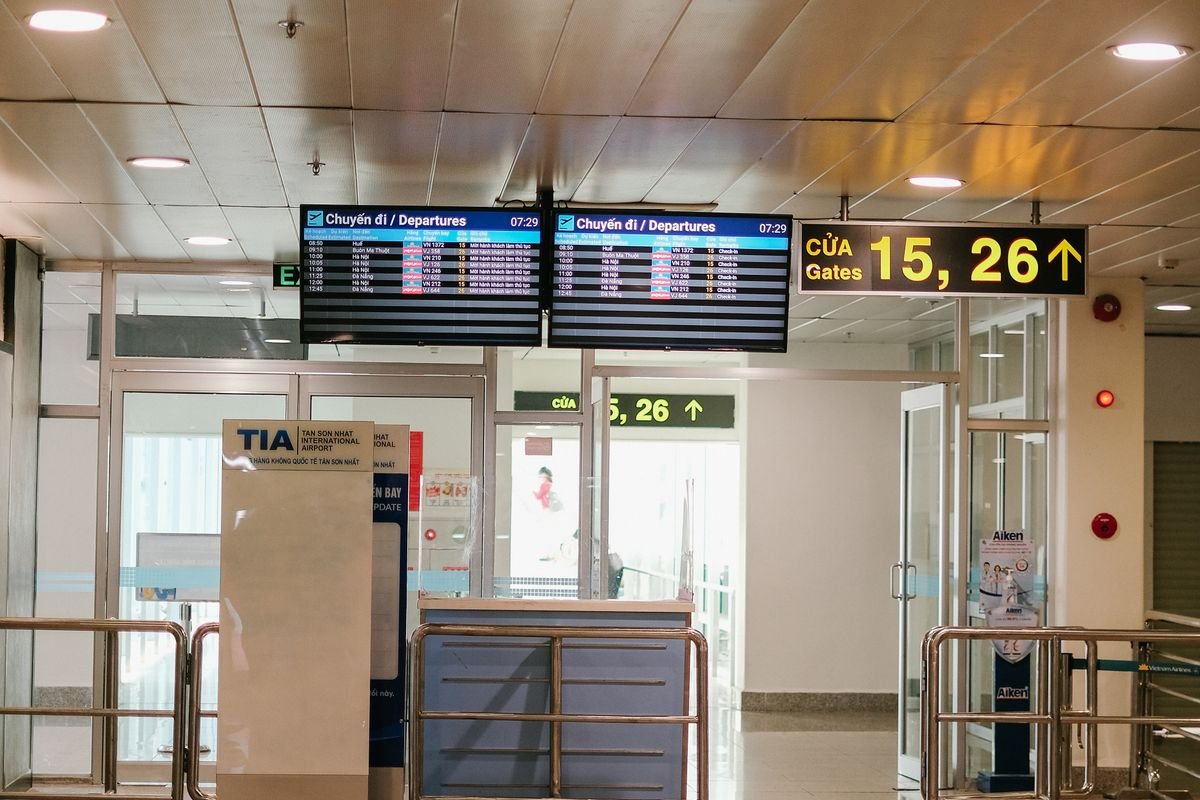
- Find your check-in or bag drop. Check the departure board for your airline and desk number.
- Keep important items on you. Passport, boarding pass, wallet, phone and medicines should be in your pocket or a small bag, not in checked luggage.
- Confirm your gate. Gates can change, so recheck the board and the app every so often.
- Go to the gate early. Boarding often closes 20 to 30 minutes before departure.
- Keep your belongings with you, and never leave bags unattended.
Make the Most of Your Layover
A connection can be a convenient break or a source of anxiety, depending on how you handle it.
- Check the minimum connection time. Airlines set a minimum for each airport. Very short layovers carry risk, especially if you must change terminals or pass through immigration.
- Know whether you must collect your bags. If your tickets are on a single booking, luggage is often checked through to your final destination. Separate tickets usually mean you must collect and recheck it.
- Study the airport map. Find your next gate before you land, and note walking times.
- Keep an eye on the time, even in a nice lounge or while shopping.
- Use the time. Stretch your legs, eat a proper meal, refill your water bottle and recharge your devices.
- For very long layovers, check whether you can leave the airport and whether you need a transit visa.
When Flights Are Delayed or Cancelled
Delays are common, and staying calm gives you an advantage.
- Check the airline’s app or website. Updates often appear there before announcements.
- Act quickly. Join the queue at the service desk, but also call the airline or use online chat at the same time.
- Ask about rebooking. Request the next available flight or a suitable alternative.
- Ask about meals, refreshments and accommodation. Airlines often provide vouchers for long delays.
- Keep records. Save boarding passes, receipts and any written confirmation of the delay.
- Know your rights. Many regions, including the European Union, have passenger-rights rules that may entitle you to assistance or compensation. Check the rules that apply to your flight.
- Stay polite and firm. Staff are far more likely to help someone who stays courteous.
If Your Luggage Goes Missing
- Report it at the airline’s baggage desk before you leave the airport.
- Keep your baggage tag and get a reference number.
- Describe the bag in detail, and give the address where you will be staying.
- Keep receipts for essential items you buy, since the airline may reimburse reasonable costs.
- Follow up using the online tracking system.
To reduce the risk, put a name tag and contact details inside and outside your bag, and consider a small tracker.
Stay Comfortable
- Wear comfortable layers, since airports and planes can be hot or cold.
- Carry an empty water bottle and fill it after security.
- Pack snacks, in case food is expensive or unavailable.
- Bring earplugs, an eye mask and a small neck pillow for long waits.
- Take regular walks to avoid stiffness.
- Pack a spare set of essentials in your hand luggage, such as a change of clothes and toiletries, in case your checked bag is delayed.
On Arrival
- Complete any arrival forms or health declarations before you reach immigration.
- Have your documents and accommodation details ready.
- Use official taxis, ride apps or public transport, and avoid unlicensed drivers who approach you in the arrivals hall.
- Confirm your transfer arrangements in advance, especially if you arrive late.
Common Mistakes
- Arriving too late
- Packing liquids and electronics in the wrong place
- Putting essential items in checked luggage
- Booking extremely tight connections
- Ignoring gate changes
- Losing patience with staff
Frequently Asked Questions
Should I book a very short layover to save time?
Only if it is a single ticket, so the airline will rebook you if you miss the connection. Otherwise, allow a comfortable margin.
Can I bring food through security?
Often yes, if it is solid. Liquids and spreads may be restricted. Check the rules for your airport and for your destination country, since some countries limit fresh food.
What if I miss my connecting flight?
Go straight to the airline’s transfer desk. If you are on one ticket, they should rebook you.
Is travel insurance worth it?
That is a personal decision. Read the terms carefully to understand what is covered, and compare with any cover you already have.
The Takeaway
Check in online, arrive in good time and pack for a quick, smooth security check. Keep essentials with you, give yourself generous layovers and stay calm when plans change. A little preparation and patience turn airports from a source of stress into just another part of the journey.