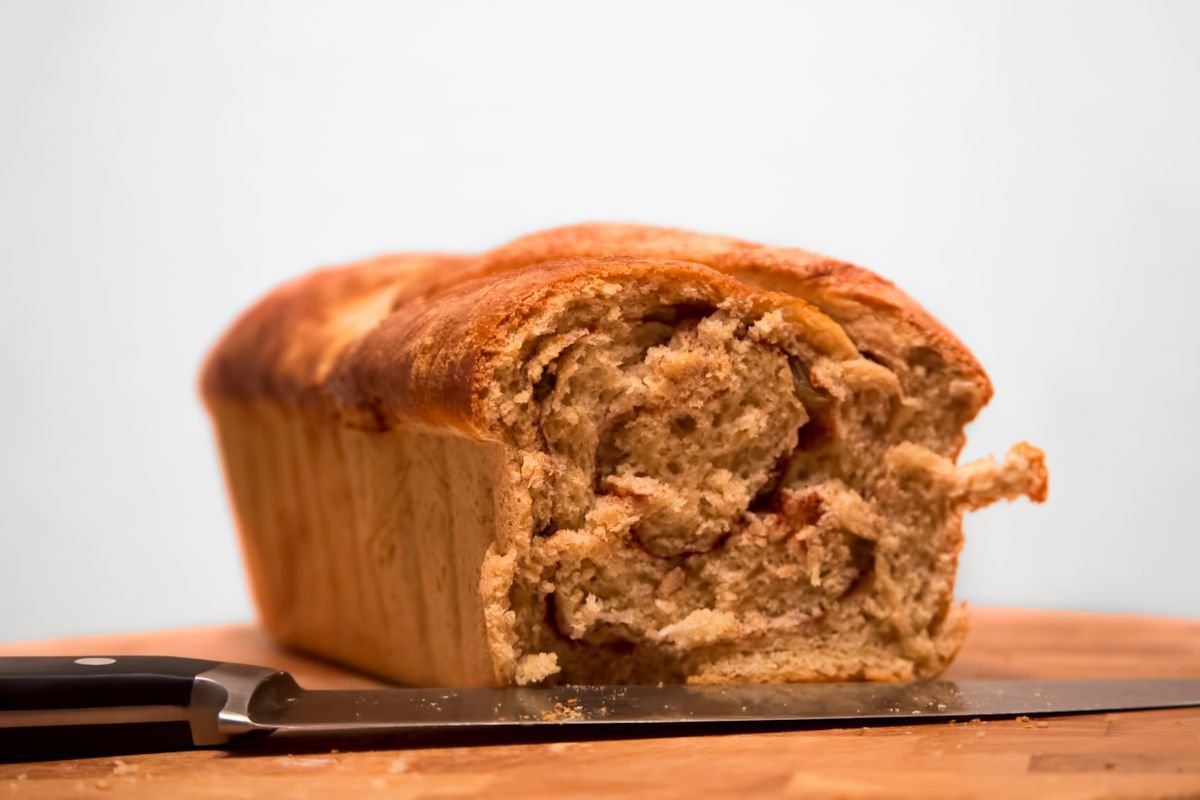
Homemade bread seems like a skill reserved for experienced bakers. It is not. A no-knead loaf needs four ingredients, a bowl, a spoon and some patience. Time does the work that kneading usually does, and you end up with a crusty, chewy loaf that looks like it came from a bakery.
Why No-Knead Bread Works
Traditional dough is kneaded to build gluten, the stretchy network that gives bread its structure. In a no-knead recipe, a wet dough and a long, slow rise let gluten form by itself. The extra hours also develop deeper flavor. Your only real jobs are mixing, waiting and baking.
What You Need
- 400 g (about 3 cups) all-purpose or bread flour. Weighing is more accurate than measuring cups.
- 1 1/2 teaspoons fine salt
- 1/4 teaspoon instant yeast
- 300 ml (about 1 1/4 cups) lukewarm water
- A heavy pot with a lid, such as a cast iron or enamel Dutch oven, about 4 to 5 liters in size
- Parchment paper for easy lifting
Step by Step
- Mix. Stir the flour, salt and yeast together in a large bowl. Pour in the water and mix until no dry flour remains. The dough will be shaggy and sticky, and that is exactly right.
- Rest. Cover the bowl with a plate or a damp cloth and leave it at room temperature for 12 to 18 hours. In a cool kitchen, leave it closer to 18. The dough should double in size and show bubbles on the surface.
- Fold. Lightly flour your hands and the work surface. Scrape the dough out and fold the edges toward the center a few times to form a rough ball.
- Shape and rest again. Place the dough seam-side down on a sheet of parchment paper. Cover loosely and let it rest for 1 to 2 hours, until puffy.
- Preheat. About 30 minutes before baking, place your empty covered pot in the oven and heat it to 230 °C (450 °F).
- Bake covered. Carefully lift the dough by the parchment into the hot pot. Cover and bake for 30 minutes. The trapped steam creates a crisp, golden crust.
- Bake uncovered. Remove the lid and bake for 12 to 15 minutes more, until deep golden brown.
- Cool. Transfer the loaf to a rack and wait at least an hour before slicing. The inside is still setting, and cutting early can make it gummy.
Take care when handling the hot pot. Use thick oven mitts and keep the lid handle in mind, since it gets just as hot.
How to Tell It Is Done
The crust should be deep brown and sound hollow when you tap the bottom. If you have a thermometer, the center should read roughly 96 to 99 °C (205 to 210 °F).
Troubleshooting
- The loaf is flat. The dough may have over-risen, or your yeast was too old. Try a shorter rest, or check the expiry date.
- The crust is pale. Bake uncovered for a few more minutes, and make sure the oven was fully preheated.
- The crumb is dense. You may need a longer first rise, especially in cold weather.
- The bottom is too dark. Move the pot to a lower position in the oven or place a baking sheet underneath.
- The dough is too sticky to handle. Use plenty of flour on your hands and a bench scraper, but do not add much flour to the dough itself.
Easy Variations
- Whole wheat: replace about 100 g of the flour with whole wheat flour, and add a splash more water.
- Seeds: fold in sesame, sunflower or pumpkin seeds before the second rest.
- Herbs and garlic: mix dried rosemary or thyme into the flour.
- Olives or nuts: add a handful when you shape the loaf.
Storing and Using the Bread
Keep the loaf cut-side down on a board, or wrapped in a clean cloth, for up to two days. After that, slice and freeze it. Toast slices straight from the freezer. Stale bread makes excellent croutons, breadcrumbs and bread pudding, so nothing goes to waste.
Frequently Asked Questions
Can I bake it without a Dutch oven?
Yes. Use any oven-safe pot with a lid, or bake on a preheated baking tray with a tray of hot water on the shelf below to create steam. The crust will be slightly less crisp.
Can I use active dry yeast?
Yes. Use the same small amount and dissolve it in the lukewarm water first.
Why is there so little yeast?
The long rise gives the yeast enough time to work. More yeast would make the dough rise too fast and taste less developed.
Can I refrigerate the dough?
Yes. After the first mix, you can leave the dough in the fridge for up to a couple of days, then shape and bake. The flavor improves.
The Takeaway
Mix in five minutes, rest overnight and bake in a hot pot. That is the entire method. Once you have made it a couple of times, you will find that great bread is mostly about patience, and that a warm, crackling loaf from your own kitchen is worth the wait.