Traveling with your parents is a precious chance to share new places and create memories together. It is also different from traveling alone or with friends. Their needs for pace, comfort and safety may be different from yours, and a trip that is too ambitious can leave everyone tired and tense. With thoughtful planning, it can be a joyful experience for the whole family.
Begin With a Conversation
Do not plan the trip for your parents. Plan it with them.
- Ask what they would like to see, do and experience.
- Ask about their worries, such as walking long distances, flying, unfamiliar food or being far from their doctor.
- Be honest about the budget, the dates and what is realistic.
- Agree on the type of trip, such as relaxed sightseeing, visiting relatives, a seaside stay or a cultural city break.
People feel more confident when their opinions are respected and their independence is protected.
Check Health and Medical Needs
- Talk to their doctor before booking, especially for long flights or if they have heart, breathing, mobility or other chronic conditions. Ask whether they are fit to travel and for any advice about the destination.
- Bring enough medicines for the whole trip plus extra days, in their original packaging, in hand luggage. Carry a list with the names and doses, and a doctor’s letter if needed.
- Check vaccination and health advice for the destination.
- Prepare an information card with their name, medical conditions, allergies, medicines, blood group if known, doctor’s contact and an emergency contact.
- Look at travel insurance and read what is covered, especially for pre-existing conditions.
- Note where the nearest hospital and pharmacy are to your accommodation.
Choose the Right Destination
- Pick places with flat or gentle terrain, good public transport and accessible attractions.
- Avoid destinations with extreme heat, high altitude or very cold weather, which can be hard on older travelers.
- Consider the travel time. Shorter journeys and direct routes reduce fatigue.
- Choose a season with comfortable weather, and avoid peak crowds.
Set a Slower Pace
This is the single biggest key to a good trip.
- Plan one main activity a day, and leave the rest open.
- Schedule rest. A break at midday, in the shade or in the room, restores energy.
- Allow extra time for everything, from walking to meals to getting in and out of vehicles.
- Stay several nights in one place, rather than moving every day. Packing and unpacking is tiring.
- Be flexible. If they are tired, change the plan without making them feel guilty.
Choose Comfortable, Accessible Accommodation
- Look for a lift or a ground-floor room, with few or no stairs.
- Check the bathroom. A walk-in shower, grab bars and a non-slip floor are very helpful.
- Choose a comfortable bed at a suitable height, with good mattresses and pillows.
- Pick a location close to restaurants, shops, a pharmacy and transport.
- Confirm that heating or air conditioning works well.
- Read recent reviews for notes on accessibility, noise and comfort, and phone to confirm details.
Make Transport Easier
- Flights. Book direct flights if possible, with generous layovers if you must change. Choose aisle seats or seats with extra legroom for easier movement.
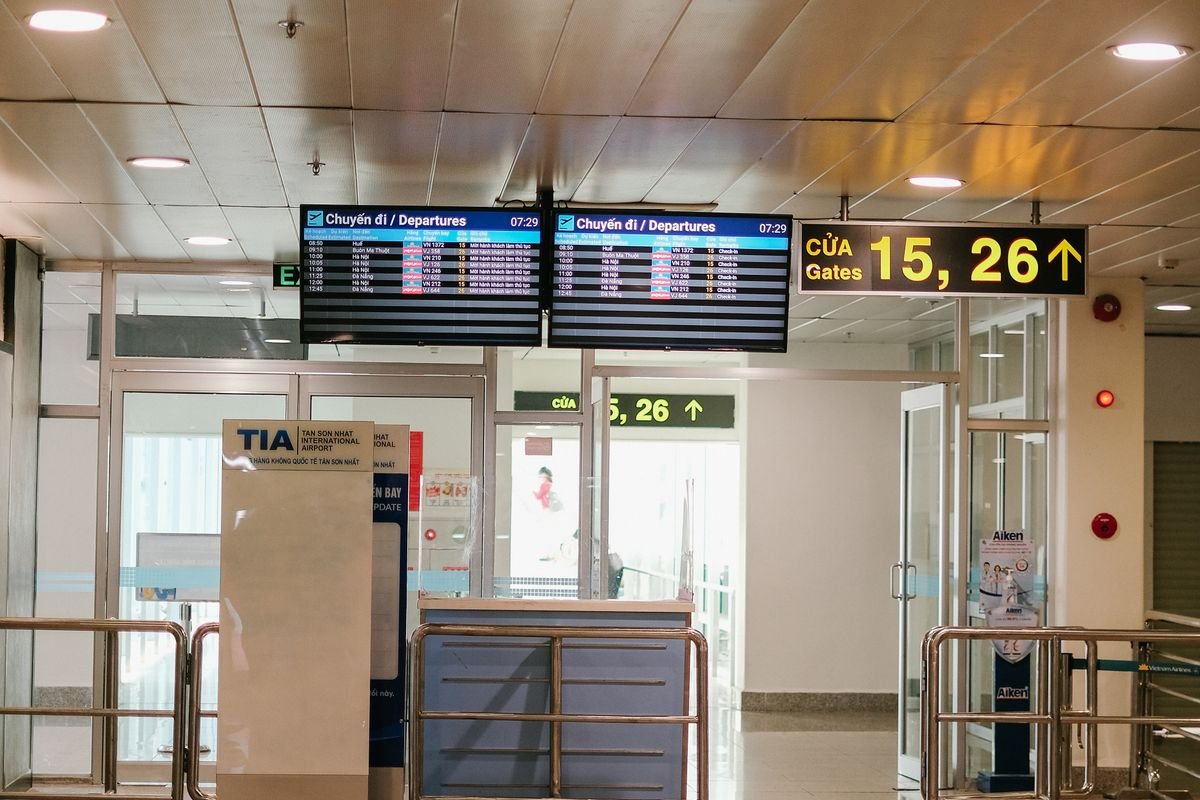
- Airport assistance. Many airlines and airports offer free help with wheelchairs, buggies and boarding for those who need it. Request it when booking, and confirm before the trip.
- Arrive early and take it slowly.
- On the ground, arrange transfers instead of public transport with luggage and crowds. Taxis, private drivers or hotel pickups are more comfortable.
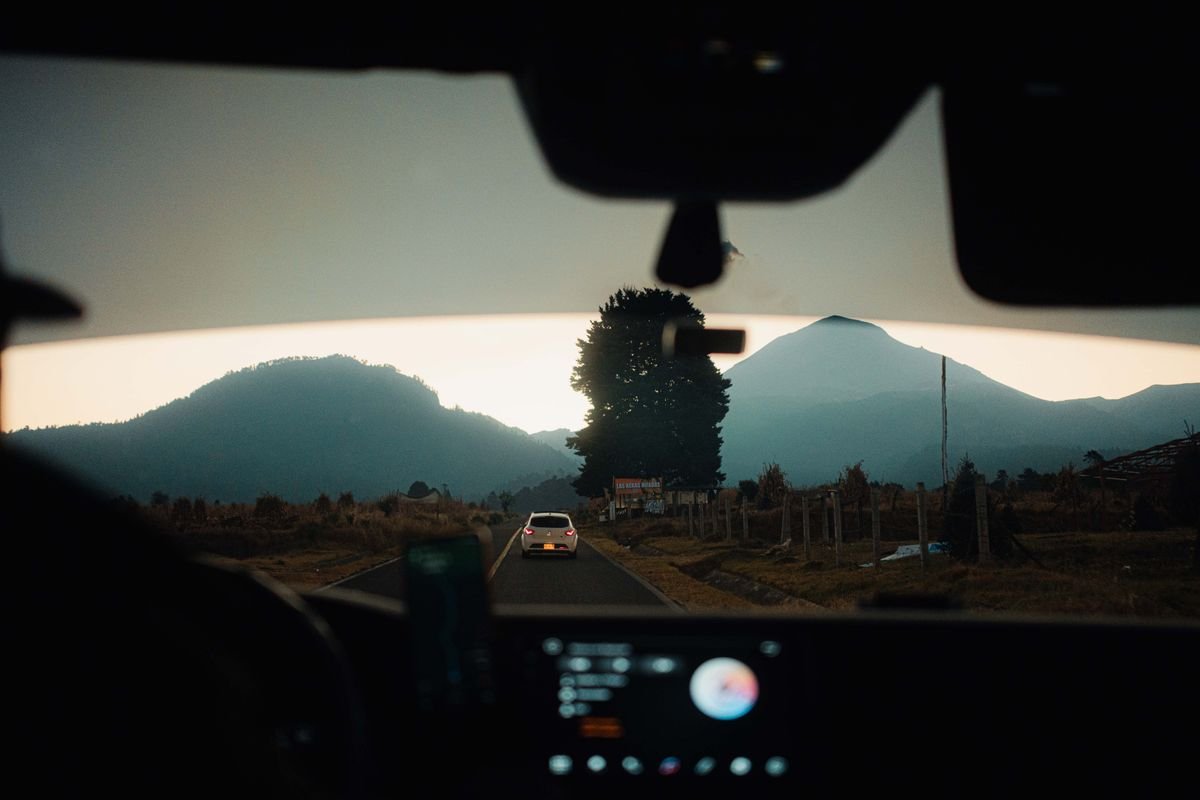
- Road trips. Plan frequent stops every one to two hours for stretching and toilet breaks.
Pack Thoughtfully
- Comfortable, supportive shoes that they have already worn
- Layers of clothing for changing temperatures
- A sun hat, sunglasses and sunscreen
- A light walking stick or folding seat, if they use one or would find it helpful
- Compression socks for long flights, if recommended by their doctor
- Reading glasses, hearing aids and spare batteries
- A water bottle and small snacks
- Copies of passports and important documents, stored separately
- A small first-aid kit
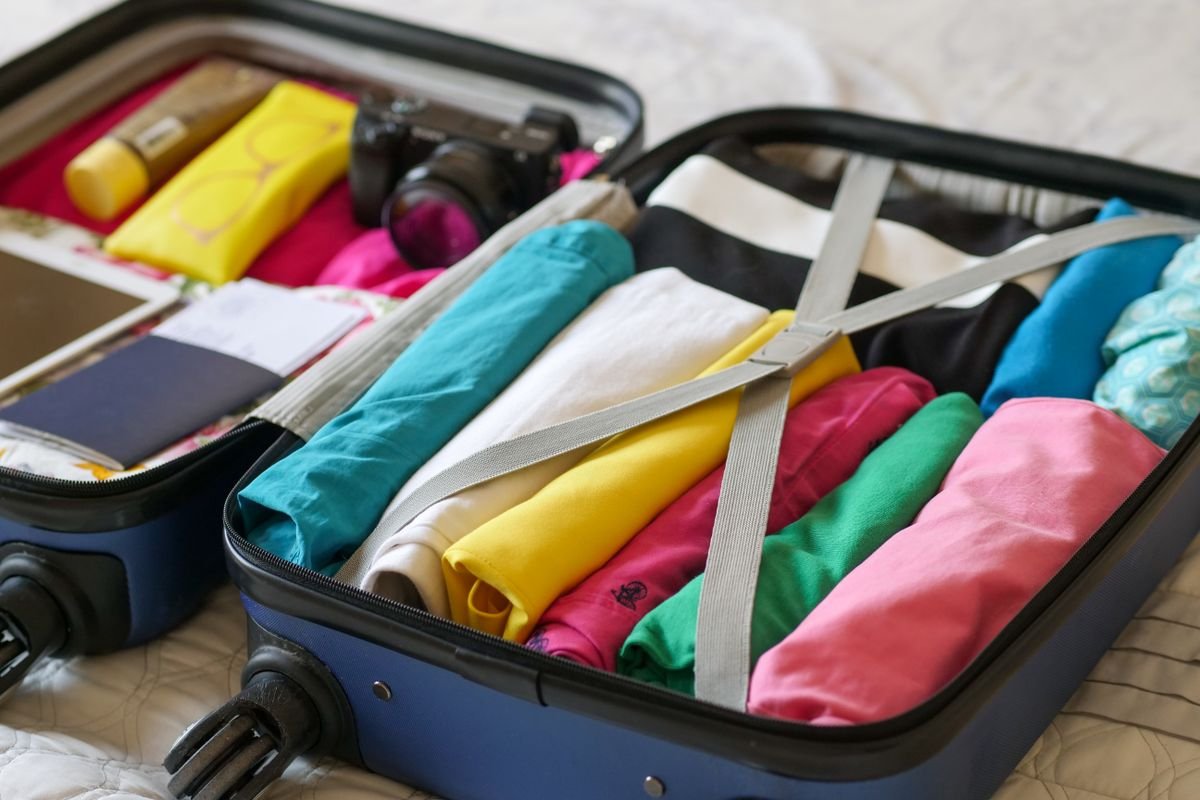
Keep luggage light, so they are not required to carry heavy bags. Use wheeled cases that are easy to handle.
Take Care of Comfort and Safety
- Prevent falls. Watch for uneven pavement, wet floors and stairs. Offer an arm without taking over.
- Manage heat. Plan outdoor activities in the morning or late afternoon, and carry water.
- Encourage movement and hydration on long journeys, to reduce stiffness and the risk of blood clots.
- Be careful with food and water in places where stomach upsets are common.
- Keep valuables secure, as older travelers can be targeted by thieves.
- Stay close. Agree on a meeting point in case you get separated, and make sure they know the name and address of the accommodation.
Eat Well and Often
Older travelers may need regular meals and may be more sensitive to changes in diet. Check dietary needs and preferences in advance, and choose restaurants with menus they can enjoy. Do not be afraid of simple, familiar meals alongside local specialities.
Handle Jet Lag and Rest
Time changes can be tiring, especially for older travelers. Allow a quiet first day or two, encourage natural daylight and regular sleep and meals, and avoid packing the first days with activities.
A Sample Five-Day Relaxed Plan
- Day 1: arrive, check in, rest and enjoy a gentle walk and an early dinner.
- Day 2: a morning at one main attraction with seating and shade, a leisurely lunch and a rest in the afternoon.
- Day 3: a scenic drive or a short boat trip with plenty of stops.
- Day 4: a free morning, a local market visit or a cafe stop and an early evening stroll.
- Day 5: a relaxed breakfast, a short outing or gifts shopping and an unhurried departure.
Be Patient and Kind
- Listen to their preferences, and avoid rushing or correcting.
- Let them do what they can for themselves, and offer help when it is needed.
- Share responsibilities with siblings or other relatives if possible.
- Take time for yourself too. Caring for parents can be tiring, so plan short breaks.
- Remember that the point is time together, not seeing everything.
Frequently Asked Questions
How can I tell if my parents are well enough to travel?
Ask their doctor. Take into account their usual stamina, medical conditions and the length and type of the journey.
What if my parent uses a wheelchair?
Request assistance when booking, check accessibility at every stage and confirm the details in advance with hotels, airlines and attractions.
Should I travel in a group or independently?
Some older travelers enjoy organized tours for the convenience, while others prefer privacy and flexibility. Choose what suits them.
How can I help my parents feel confident?
Plan together, share the itinerary, prepare thoroughly and show that you will move at their speed.
The Takeaway
Plan with your parents, check health needs and choose a destination and accommodation that suit them. Keep the pace slow, build in rest and prepare for comfort and safety. A trip designed around their needs becomes a gift of time, patience and shared memories.
This article is general information, not medical advice. Please consult a doctor about travel fitness and health needs.