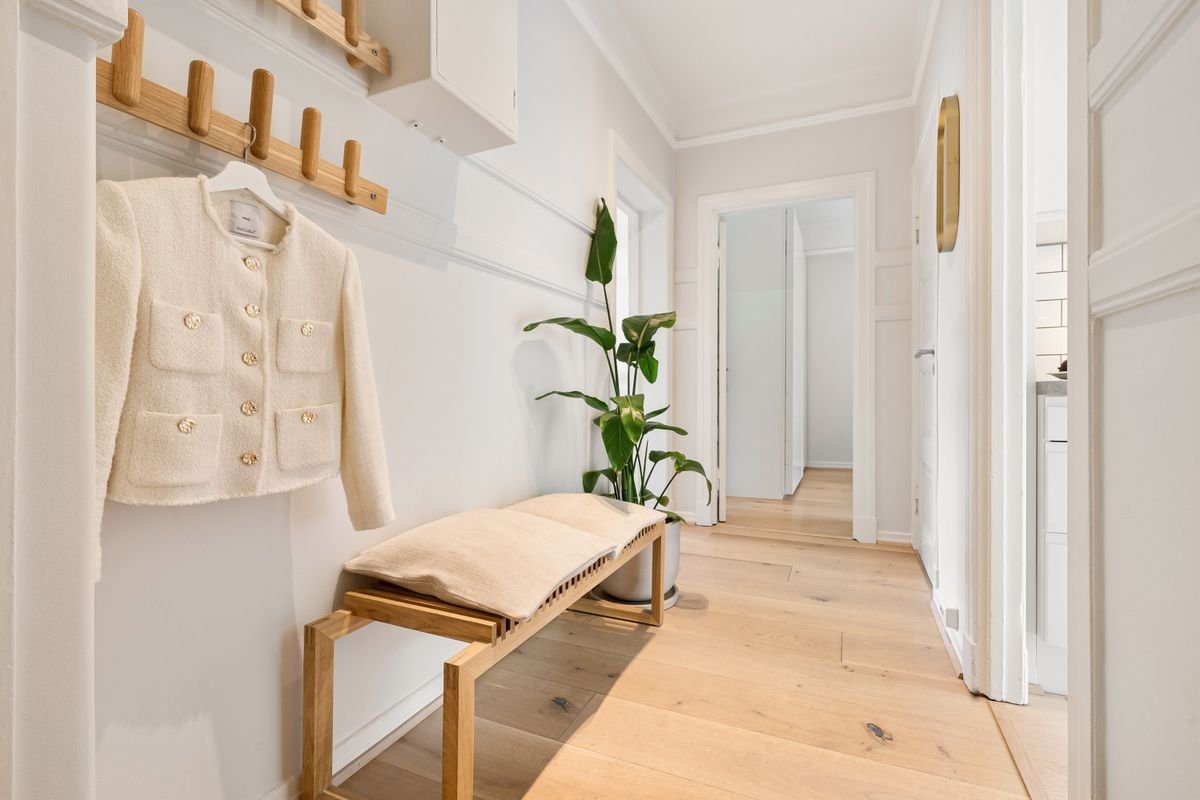
The entryway is the first thing you see when you come home and the first thing guests see when they arrive. It is also where shoes, bags, keys, coats and post tend to pile up. A welcoming, organized entryway sets the tone for the whole house, and it does not need a lot of space.
Think About What Happens Here
Every entryway is a transition zone. In a few minutes, you take off your shoes, hang a coat, put down your keys and perhaps greet someone. Before buying anything, list what your household actually needs to do there:
- Store shoes and outdoor wear
- Hang coats, bags and scarves
- Drop keys, wallet and post
- Sit down to put on or remove shoes
- Check your appearance before leaving
- Store umbrellas in wet weather
Design around the things you do daily, and the clutter will have somewhere to go.
The Essential Pieces
- Hooks or a coat rack. Wall hooks are the simplest storage you can add. Place them at different heights so children can reach theirs. A row of hooks takes up almost no floor space.
- Shoe storage. A shoe rack, a closed cabinet or a bench with compartments keeps shoes tidy. In homes where shoes come off at the door, give each person a clear spot, so there is no heap by the door.
- A bench or stool. Sitting makes putting on shoes easier, especially for children and older relatives. Choose one with storage underneath if you can.
- A shelf or console table. A narrow console gives you a surface for keys, post and a small lamp or plant, without taking much room.
- A mirror. It helps with a last-minute check, makes a small entryway feel larger and bounces light around.
- A tray or bowl. A dedicated landing spot for keys and small items stops them going missing.
- A durable rug or doormat. It catches dirt and adds warmth. Choose low pile so doors open easily.
Make the Most of a Small Space
- Use walls, not floor. Wall hooks, narrow floating shelves and hanging organizers free up the ground.
- Choose slim furniture. A console table about 25 to 30 cm deep suits tight halls.
- Add a vertical shoe cabinet. Tilting shoe cabinets are shallow but hold many pairs.
- Use the back of the door. Hooks or an over-the-door organizer add space without taking any.
- Keep it light. Pale walls and a mirror enlarge a small entrance.
Baskets and Bins for Each Person
For families, give each person a basket, a hook and a cubby. Children can drop their school bags and shoes in their own spot, and adults know where to find their things. Label baskets if it helps younger children. A separate basket for items that need to be taken out again, such as library books or returns, prevents the common last-minute search.
A Daily Two-Minute Reset
An entryway only stays tidy if you maintain it. Each evening:
- Return stray shoes to the rack.
- Hang any coats that landed on the floor or a chair.
- Sort the post and recycle what you do not need.
- Empty the tray of anything that does not belong.
- Shake out the doormat or give the floor a quick sweep.
Two minutes a day prevents the weekend clear-out.
Add Warmth and Welcome
Once the practical items are sorted, a few small touches make the space feel inviting.
- Lighting. A small lamp or a warm ceiling light is more welcoming than a harsh one.
- A plant or fresh flowers. Even one small plant adds life.
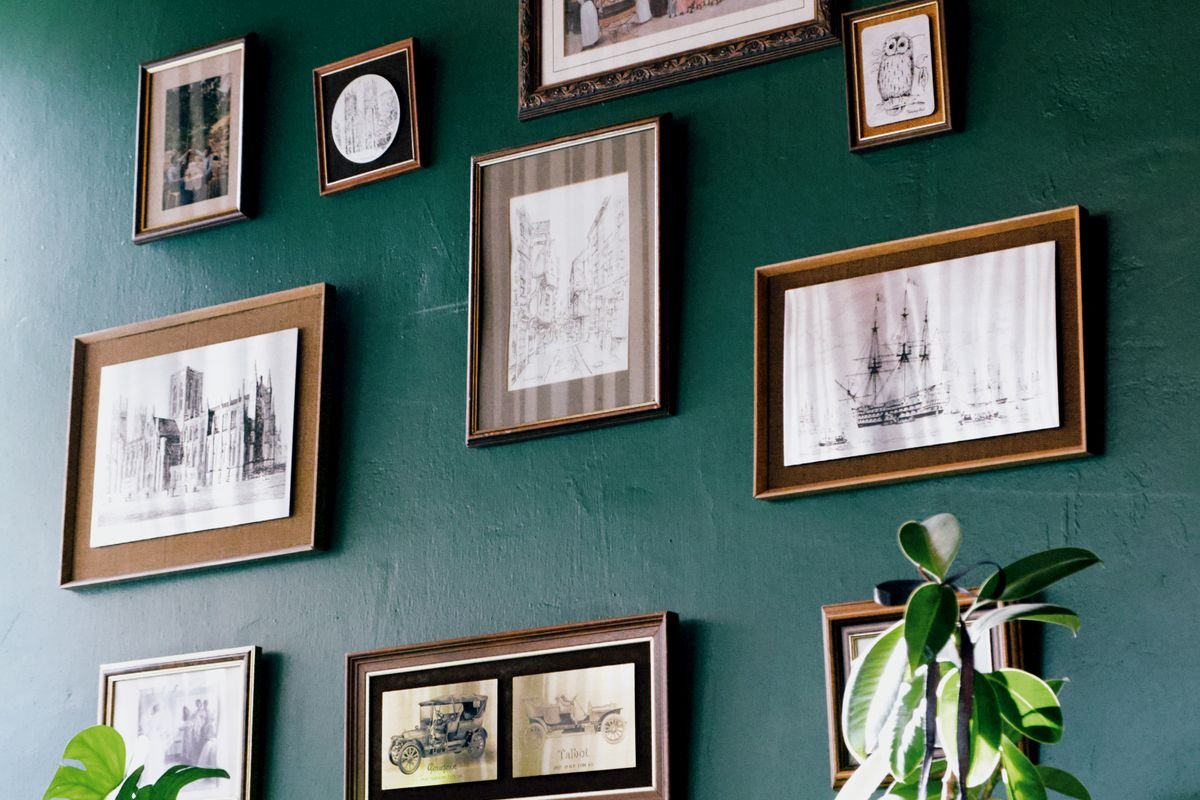
- Artwork or a framed print. Choose something calm that you enjoy seeing every day.
- A pleasant scent. A natural diffuser or an open window can freshen the area.
- A seasonal touch. Swap a bowl of fruit, branches or a small decoration with the seasons.
Weather-Proofing
If you live in a rainy or muddy climate, add a boot tray, an umbrella stand and a washable mat. Keep wet items from sitting on wood or carpet. In dry, dusty places, a sturdy doormat outside and another inside greatly reduces the dirt that comes into the house.
Mistakes to Avoid
- Buying furniture before measuring the space
- Too many decorative items and not enough storage
- Blocking the door with a large piece of furniture
- Leaving no space for guests to put down coats
- Ignoring lighting
Frequently Asked Questions
How can I create an entryway if I have no hallway?
Define a zone with a rug, a wall of hooks and a slim shelf or bench near the front door. Even a small corner works.
How many pairs of shoes should be at the door?
Only the ones in daily use. Store seasonal and special shoes elsewhere to avoid overcrowding.
What if I have no space for a bench?
Use a wall-mounted fold-down seat, a stool that tucks away or a storage ottoman.
How can I keep guests’ coats tidy?
Leave a few hooks empty for guests, and a stand or closet space for larger gatherings.
The Takeaway
A good entryway starts with a few simple pieces: hooks, shoe storage, a surface and a mirror. Give everyone a place for their things, build in a two-minute reset and add a little warmth. The result is a home that feels calm from the moment you step through the door.