Curtains do far more than decorate a window. They control light, protect your privacy, soften the sound in a room and keep it warmer in winter and cooler in summer. Yet many people choose them in a hurry, and the result looks too short, too thin or just slightly off. A few simple rules fix that.
Decide What the Window Needs to Do
Before you choose a fabric or a color, think about the function.
- Privacy: do people see in from the street or from neighboring buildings?
- Light control: do you want gentle daylight, or a room dark enough to sleep in?
- Insulation: is the room cold in winter or hot in summer?
- Noise: heavy fabrics absorb some sound.
- Style: should the curtains blend in or be a feature?
Types of Window Treatments
- Sheer curtains. Light, airy and translucent. They soften sunlight and give daytime privacy while keeping a room bright.
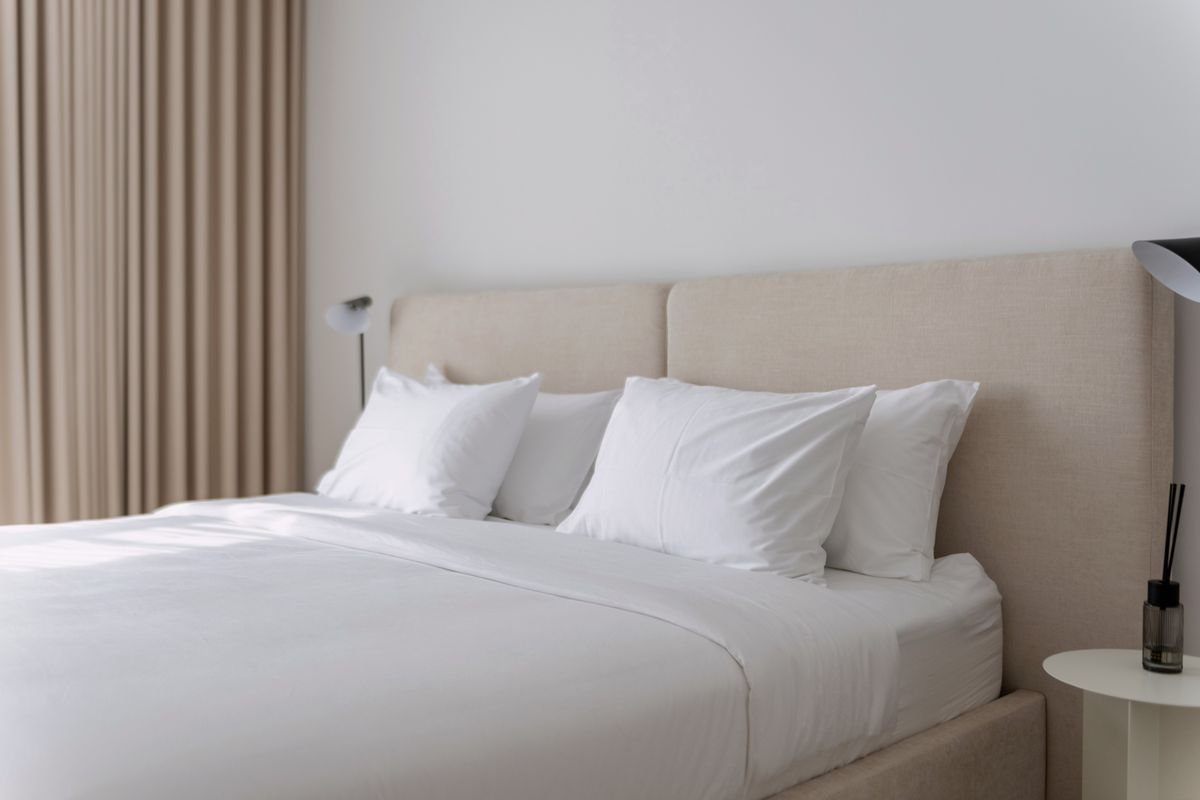
- Drapes or heavy curtains. Thicker fabrics that block light, add warmth and make a space feel finished. Ideal for living rooms and bedrooms.
- Blackout curtains. Lined to block almost all light. Excellent for bedrooms and for people who sleep during the day.
- Roller blinds. Simple, neat and easy to clean. They suit kitchens, bathrooms and modern rooms.
- Roman shades. Fabric blinds that fold into soft pleats. They offer a tailored look and work well on smaller windows.
- Venetian or slatted blinds. Let you adjust the angle of the light and the level of privacy.
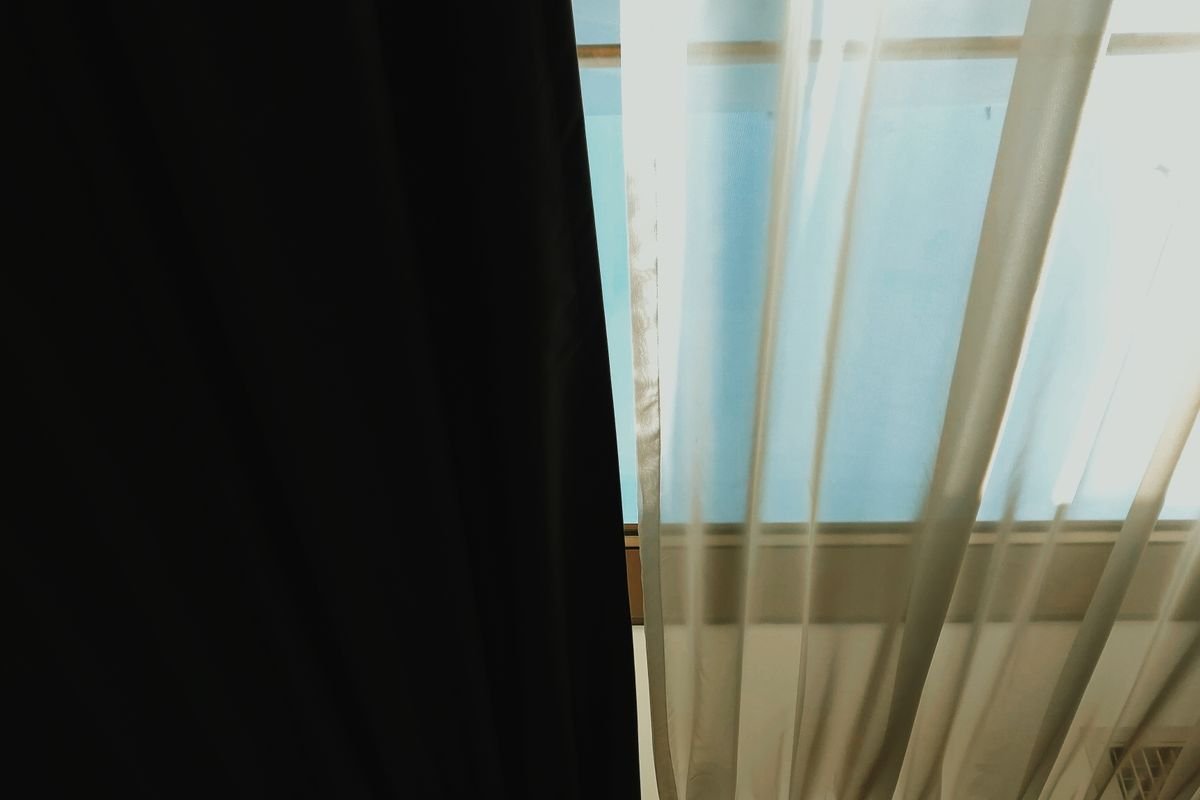
A very popular and practical combination is a sheer curtain layered behind a heavier curtain. Use the sheer during the day for soft light and privacy, and close the drapes at night.
Get the Measurements Right
Most curtain disappointments come from poor measuring.
- Rod height. Mount the rod about 10 to 15 cm above the window frame, or even close to the ceiling. This makes the window and the room look taller.
- Rod width. Extend the rod 15 to 25 cm beyond each side of the window. When the curtains are open, they will sit against the wall and reveal the full glass.
- Length. Curtains should either hover about 1 cm above the floor, just touch it, or puddle slightly for a luxurious look. Avoid hems that hang halfway down. For windows with a radiator or sill below, stop just below the sill or at the apron.
- Fullness. The curtain fabric should be about one and a half to two times the width of the rod. Flat, stretched curtains look cheap and let in more light.
Choose the Right Fabric
- Linen: relaxed, natural and lightweight. It filters light beautifully but wrinkles and can shrink.
- Cotton: versatile, easy to care for and available in many patterns.
- Velvet: rich, heavy and warm. It is excellent for insulation and drama, but more expensive.
- Polyester blends: hard-wearing, wrinkle-resistant and affordable. Many blackout options use these.
- Voile and organza: sheer fabrics for soft, flowing curtains.
Hold the fabric up to a window if you can. This shows how much light and visibility it really allows.
Consider the Lining
A lining can transform a curtain. It makes fabric hang better, protects it from sun damage and improves insulation. Choose from standard lining, interlining for extra warmth, or blackout lining for total darkness. If you share a bedroom with a light sleeper, a lined curtain is worth the small extra cost.
Pick a Heading Style
The heading is the way the curtain attaches to the rod.
- Eyelet or grommet: modern and easy to slide.
- Pencil pleat or pinch pleat: more formal, with neat, even folds.
- Rod pocket: simple and casual, but harder to slide.
- Tab top or hooks: relaxed and easy to hang.
Color and Pattern
Light colors make a room feel airy. Darker shades feel warm and cozy. Match the curtains to the walls for a seamless look, or choose a contrasting color to add interest. Vertical stripes make a ceiling feel taller. Large patterns work best in big rooms, and small windows suit simpler fabrics.
Care and Maintenance
- Dust curtains regularly with a vacuum brush attachment.
- Wash or dry clean according to the care label.
- Steam out wrinkles while hanging.
- Keep curtains away from heaters and stoves.
Frequently Asked Questions
How high should I hang curtains?
As high as practical, ideally near the ceiling. It makes windows and rooms seem larger.
Should curtains touch the floor?
Floor-length curtains look elegant and complete. A small gap of about 1 cm prevents dragging and dirt.
Can I use curtains and blinds together?
Yes. A blind provides light control and privacy, while curtains add softness and color.
What curtains help keep a room cooler?
Thick, lined curtains in light colors reflect heat, especially when kept closed during the hottest hours.
The Takeaway
Choose curtains for what the window needs, hang them high and wide and give them enough fullness to look generous. A good lining and a pair of sheers behind your drapes make them work harder. With the right measurements and fabric, curtains become one of the simplest ways to make a home feel comfortable and complete.