Few drinks are as comforting as a well-made pot of tea, and few are as easy to ruin. Water that is too hot, leaves left to steep too long or a tired old tea bag can leave you with something flat or bitter. The good news is that a handful of small adjustments makes a big difference.
Start With Good Ingredients
- Fresh water. Use cold, fresh water each time. Water that has been boiled repeatedly tastes flat. If your tap water is heavily chlorinated or very hard, filtered water gives a cleaner flavor.
- Quality tea. Loose leaf tea usually has more flavor than the dust in many tea bags, but good bags work too. Check the date and keep the tea fresh.
- A clean pot. Old tea residue or soap film affects taste. Rinse well.
Match the Temperature to the Tea
Temperature matters more than most people realize. Boiling water scorches delicate leaves and brings out bitterness. As a general guide:
- Black tea: just off the boil, about 95 to 100 °C (203 to 212 °F)
- Oolong: about 85 to 95 °C (185 to 203 °F)
- White tea: about 80 to 85 °C (176 to 185 °F)
- Green tea: about 70 to 80 °C (158 to 176 °F)
- Herbal infusions: full boil, 100 °C (212 °F)
No thermometer? Let the kettle rest for a minute or two after boiling for white and green teas.
Get the Amount Right
A reliable starting point is about one teaspoon (roughly 2 to 3 grams) of loose leaf tea per 200 to 250 ml cup. Some bigger leaves take up more space, so adjust by taste. For a pot, use one teaspoon per cup, and sometimes one extra for the pot if you like it strong.
Steep for the Right Time
Set a timer. Even a minute too long can turn a pleasant cup bitter.
- Black tea: 3 to 5 minutes
- Oolong: 3 to 5 minutes
- White tea: 4 to 5 minutes
- Green tea: 2 to 3 minutes
- Herbal tea: 5 to 7 minutes
Look at the packet too. Producers often suggest the best timing for their particular tea.
How to Brew a Pot, Step by Step
- Warm the pot. Swirl a little hot water inside, then pour it out. This keeps the temperature steady while the tea steeps.
- Add the tea. Place the leaves in the pot or in an infuser basket with room to expand.
- Pour the water. Pour at the right temperature over the leaves.
- Cover and steep. Put the lid on and start your timer.
- Strain and serve. Remove the leaves or pour the tea off the leaves into cups. Do not let it sit on the leaves, or it will keep brewing.
Fresh Mint Tea
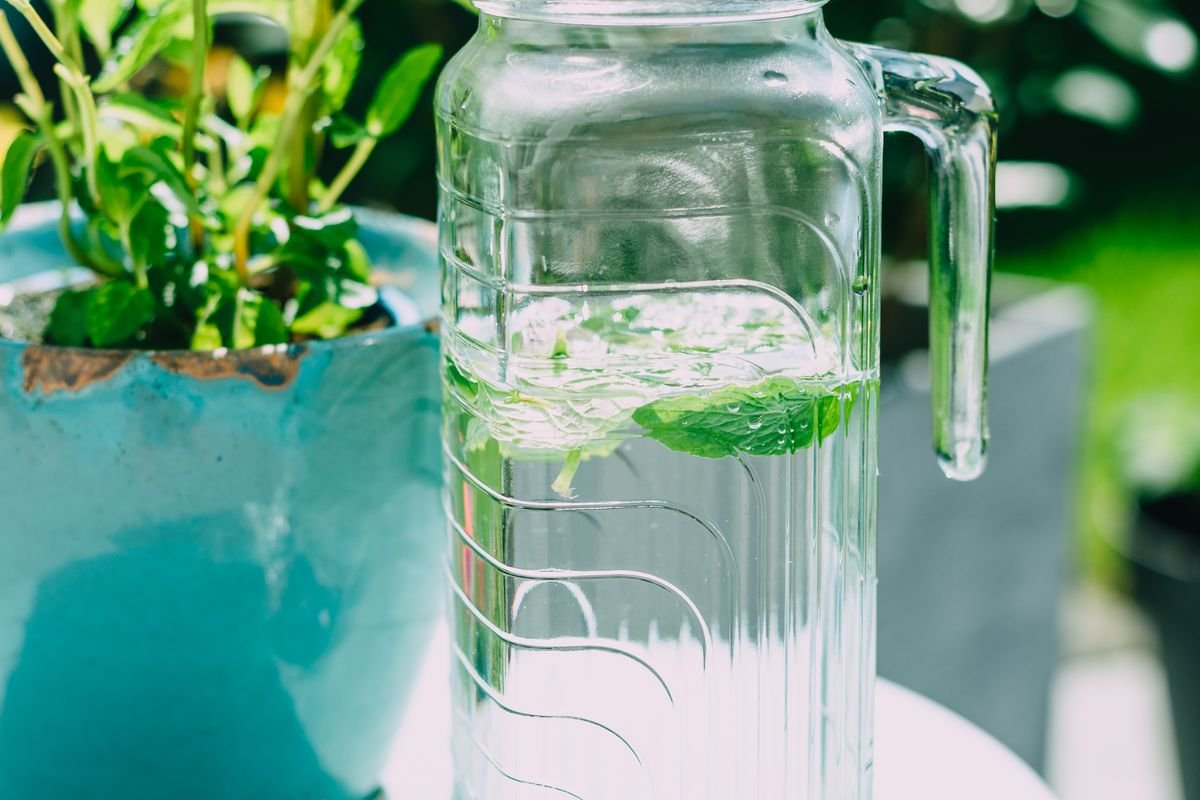
For a refreshing herbal option, rinse a generous handful of fresh mint and place it in a pot. Add boiling water and steep for about 5 minutes. Taste before adding sugar, because mint is naturally cooling and slightly sweet. A small amount of honey or sugar is enough, if you want it at all.
Common Mistakes
- Using boiling water for every type. It makes green and white tea bitter.
- Squeezing the tea bag. This releases tannins and bitterness.
- Leaving the leaves in the pot. Tea keeps steeping and becomes strong and harsh.
- Storing tea badly. Heat, light, moisture and strong smells all spoil it.
- Using too little tea. A weak, watery cup is often a measuring problem, not a quality one.
Storing Your Tea
Keep tea in an airtight tin or opaque container, away from the stove, sunlight and strong-smelling foods such as spices. Most teas are at their best within a year. Green and white teas fade faster than black.
Frequently Asked Questions
Can I reuse tea leaves?
Often yes, especially with good loose leaf oolong, green and white tea, which can give several infusions. Black tea gives a weaker second cup.
Why is my tea bitter?
Usually the water was too hot, the tea steeped too long, or too much tea was used. Adjust one thing at a time.
Which tea has the most caffeine?
Black tea generally has more than green or white, but amounts vary with the leaf and brewing. Herbal infusions are usually caffeine-free.
Should I add milk before or after?
It is a matter of taste. Many people add milk after brewing so they can judge the strength of the tea first.
The Takeaway
Use fresh water, match the temperature to the tea, measure your leaves and set a timer. These four habits turn an average cup into a really good one. Make a pot, slow down for a few minutes and enjoy it.