A great homemade soup tastes as if it has been simmering all day, but it rarely needs that long. The secret is not a long ingredient list. It is a sequence of simple steps that add flavor in layers. Once you know the sequence, you can turn almost any vegetable, grain or legume into a soup worth serving.
The Five Layers of Flavor
- Aromatics. The base of the soup.
- Depth. Concentrated ingredients that add richness.
- Liquid. Stock or water, simmered gently.
- Main ingredients. Vegetables, legumes, grains or chicken.
- Finish. Acid, herbs and a little fat to lift everything at the end.
Layer 1: Build the Aromatic Base
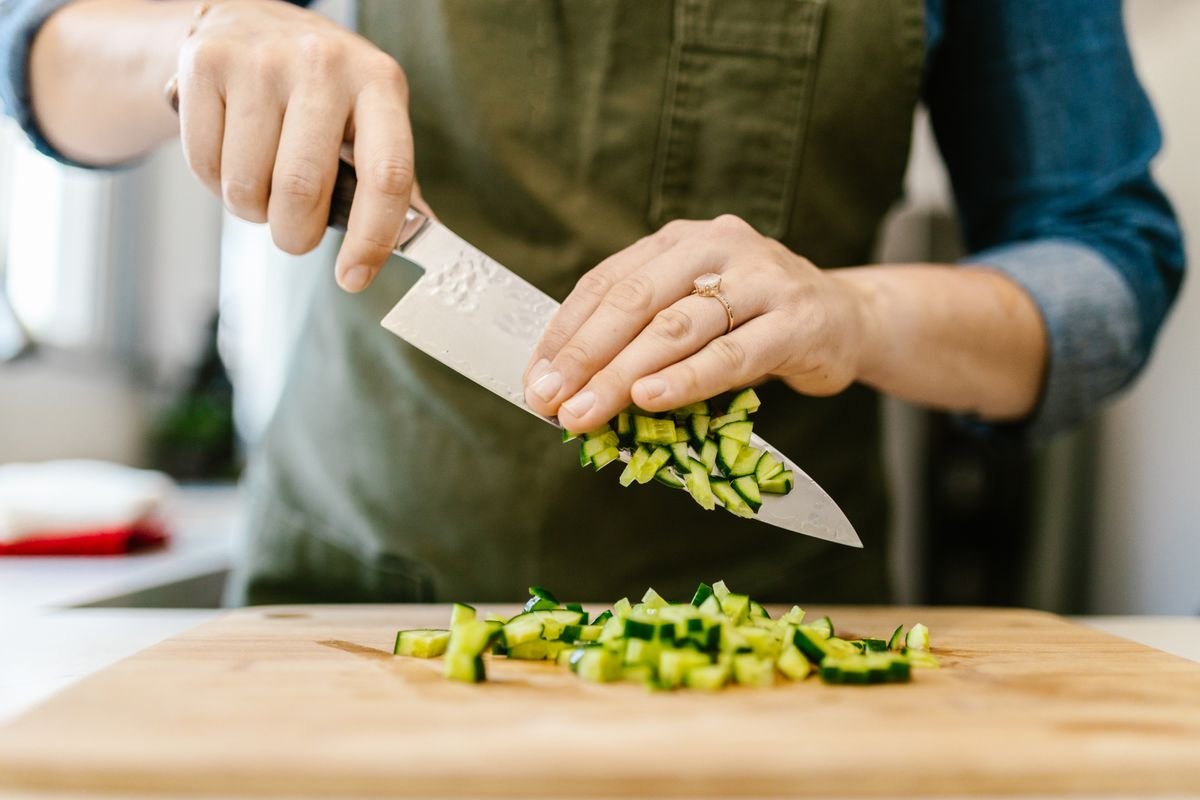
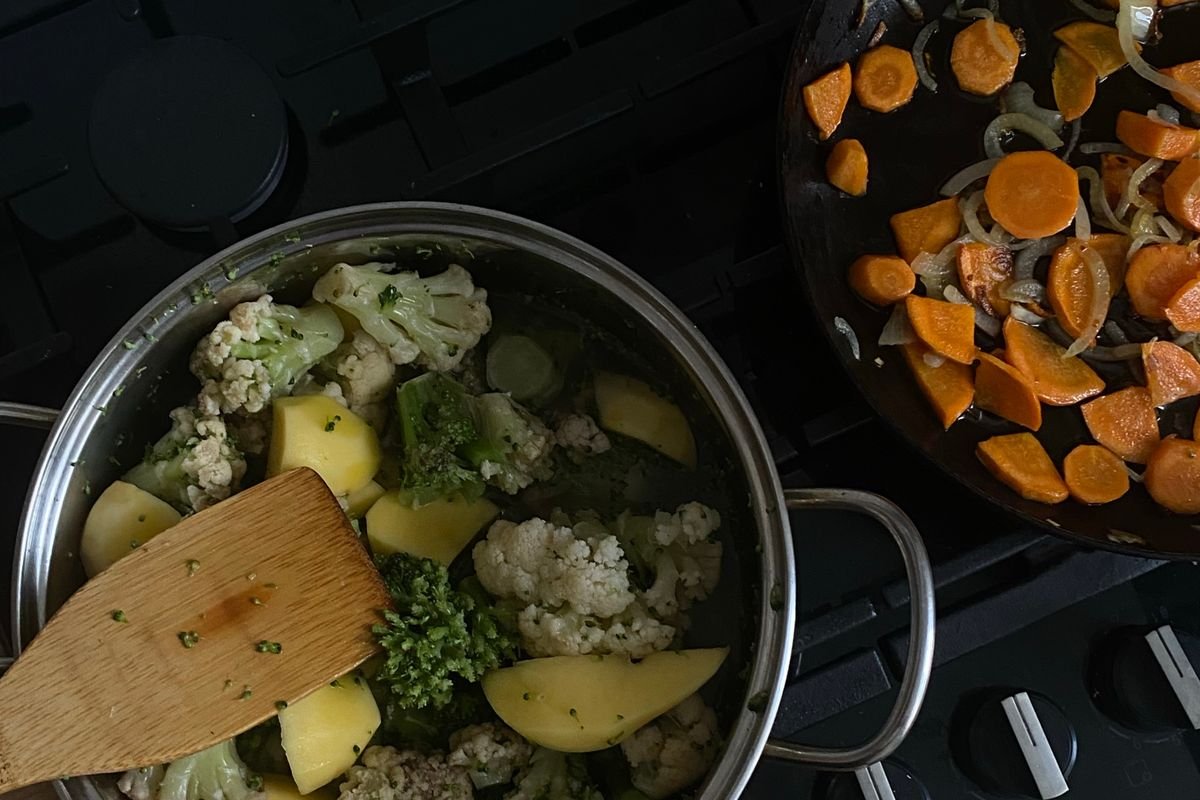
Start with finely chopped onion, carrot and celery, sometimes called a mirepoix, or onion and garlic alone. Cook them in a little oil over medium-low heat, stirring now and then, for 8 to 10 minutes. The goal is to sweat them until soft and sweet, not to brown them hard. This slow start is where much of the flavor comes from.
Add garlic and fresh ginger only in the last minute, because they burn quickly and turn bitter.
Layer 2: Add Depth
Next, add ingredients that deepen the flavor.
- Tomato paste. Cook a spoonful for a minute or two until it darkens slightly.
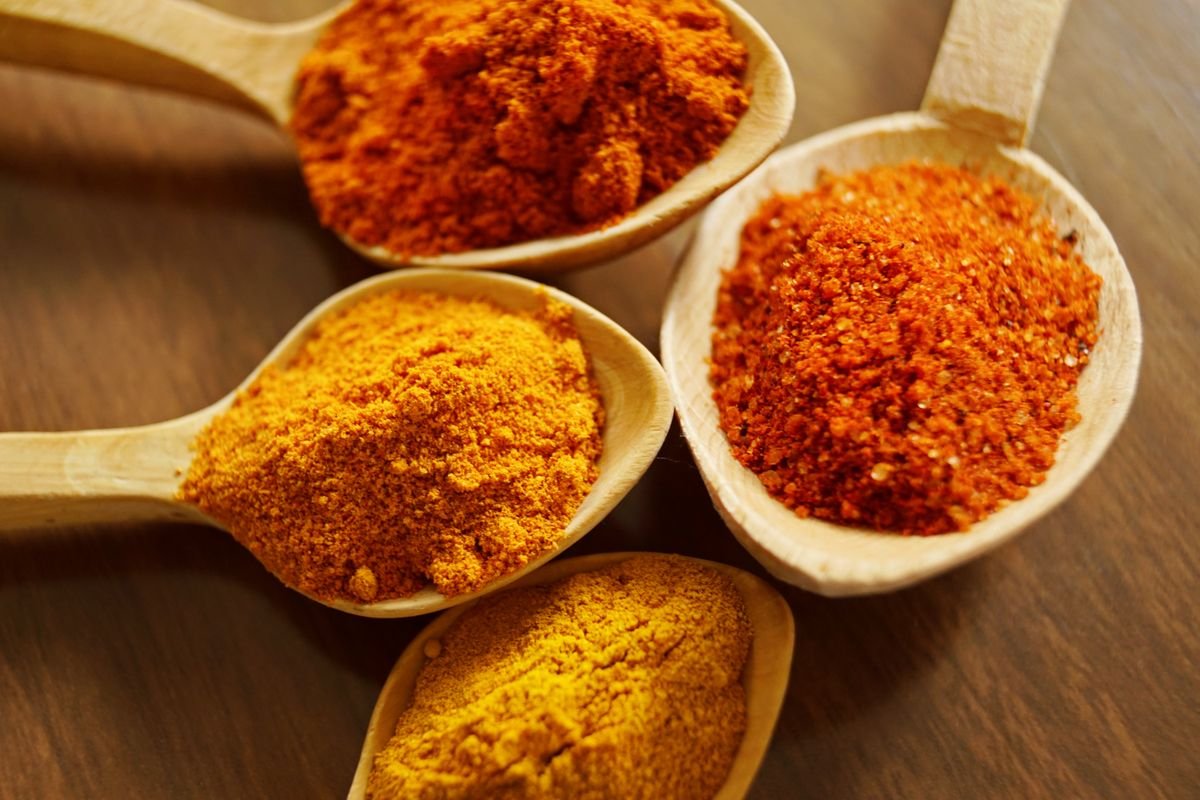
- Spices. Cumin, coriander, paprika or turmeric added to the hot oil for 30 seconds release their aroma.
- Roasted vegetables. Roast carrots, pumpkin or tomatoes before adding them for a sweeter, richer taste.
- Dried mushrooms or herbs. A small handful adds an earthy, savory note.
Layer 3: Choose Your Liquid
The liquid is the soul of the soup, so choose it carefully.
- Homemade stock. Simmer chicken bones or vegetable scraps with an onion, a carrot and a bay leaf for an hour or more. Skim any foam from the surface.
- Good-quality stock. Ready-made stock or cubes are fine, but they can be very salty. Dilute a little and taste before adding more salt.
- Water. Perfectly acceptable if you have built a strong base and use plenty of vegetables and seasoning.
Once the liquid is in, bring the soup to a boil, then lower it to a gentle simmer. Hard boiling makes meat tough and cloudy and breaks down vegetables too fast.
Layer 4: Add the Main Ingredients in Order
Timing matters. Add ingredients according to how long they take to cook.
- Dried lentils and beans: red lentils take about 20 minutes, brown or green lentils 25 to 35 minutes. Dried beans need soaking and longer cooking. Canned beans can go in near the end.
- Root vegetables: potatoes, carrots and pumpkin go in early, 15 to 25 minutes before serving.
- Grains and pasta: rice, barley or small pasta need about 10 to 20 minutes, depending on the type.
- Chicken pieces: simmer until cooked through and tender, then shred or slice.
- Delicate vegetables: zucchini, peas and spinach go in during the last 5 to 10 minutes.
Layer 5: Finish With Acid, Herbs and Fat
This final step turns a good soup into a great one.
- Acid. A squeeze of lemon, a splash of vinegar or a spoonful of yogurt brightens flavors and balances richness.
- Fresh herbs. Parsley, coriander, dill or mint stirred in right before serving.
- Fat. A drizzle of olive oil or a small knob of butter adds silkiness.
- Crunch. Toasted seeds, croutons or a little fried onion on top add texture.
Salt in Stages
Season lightly at the start, again in the middle and finally at the end. Salting in layers builds flavor evenly. Taste often. If the soup tastes flat, it usually needs a bit more salt or a squeeze of lemon, not more spice.
Control the Texture
- For a creamy soup without cream, blend part of it. Use an immersion blender for a few seconds, leaving some chunks, or blend a cup and stir it back in.
- For a smooth soup, blend completely and strain if you want it extra fine.
- For a thicker soup, simmer it uncovered to reduce, add a handful of red lentils or mash some potatoes into it.
- For a thinner soup, add a little hot stock or water.
Take care when blending hot liquids. Fill the blender no more than half, and hold the lid down with a cloth.
Three Easy Soups to Try
Red lentil soup: onion, carrot, garlic, cumin, turmeric, red lentils and stock. Simmer 20 minutes, blend, then finish with lemon and olive oil.
Tomato and roasted pepper soup: roast tomatoes and peppers, blend with sautéed onion and stock, and finish with basil.
Chicken and vegetable soup: chicken pieces, onion, carrot, celery and potatoes simmered in stock, with parsley and lemon at the end.
Fixing Common Problems
- Too salty: add unsalted stock or water, and a potato or a squeeze of lemon to balance the taste.
- Bland: add salt gradually, then acid, then spice, tasting each time.
- Watery: simmer uncovered or blend in a portion of the vegetables.
- Too thick: thin with hot stock.
- Bitter: burnt garlic or spices are the usual cause. A pinch of sugar or a bit of cream can soften it, but starting over is sometimes best.
Storing Soup
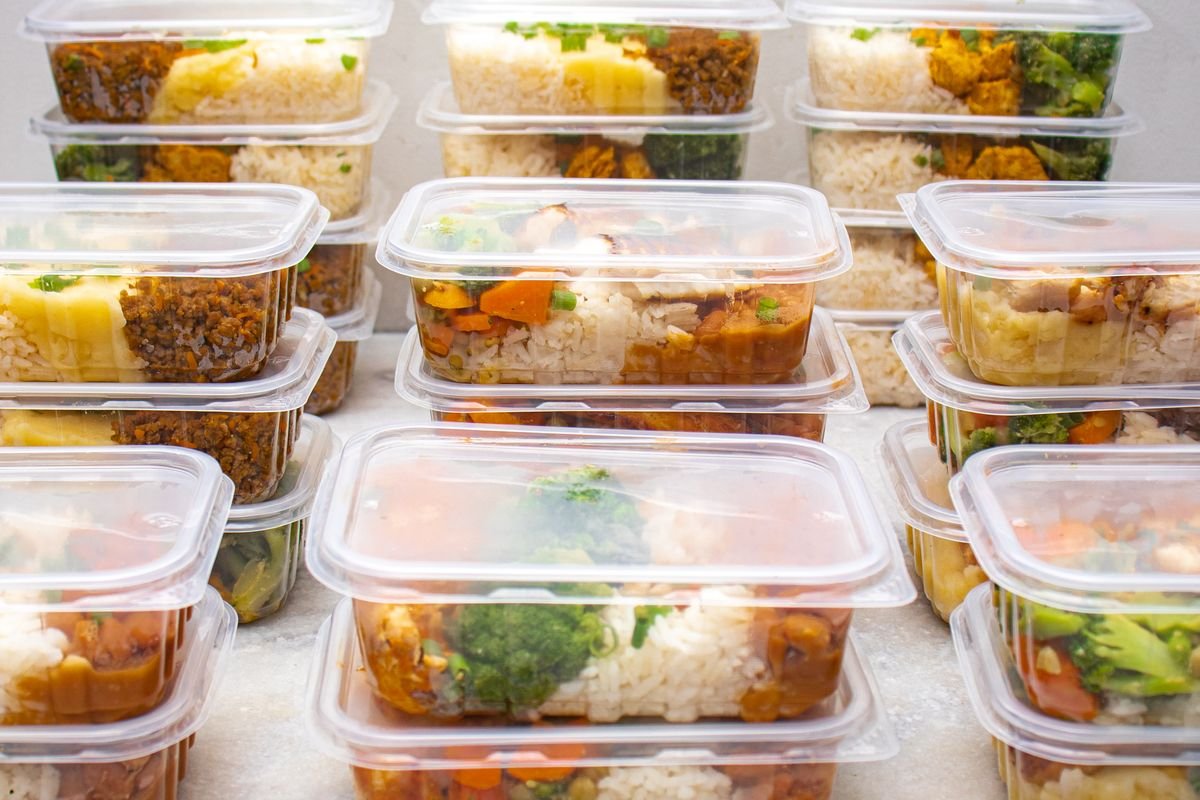
Cool soup quickly, within a couple of hours, and refrigerate in covered containers for three to four days. Freeze in portions for up to three months. Soups with potatoes or pasta can change texture when frozen, so consider adding those fresh when you reheat. Always reheat until steaming hot.
Frequently Asked Questions
Can I make soup without stock?
Yes. Use water with a well-built base, plenty of vegetables and enough seasoning and acid.
How long should soup simmer?
Vegetable soups need 25 to 40 minutes. Chicken or bean soups take longer. Do not overcook delicate vegetables.
Does soup taste better the next day?
Often it does, as the flavors blend. Check the seasoning again when you reheat.
What can I do with leftover vegetables?
Soup is the perfect way to use them. Chop, sauté and simmer in stock for a quick, waste-free meal.
The Takeaway
Sweat your aromatics, add depth with tomato paste or spices, simmer gently in good liquid and add ingredients in the right order. Finish with lemon, herbs and a little oil, and season in stages. These habits turn a pot of simple vegetables into soup with real character.