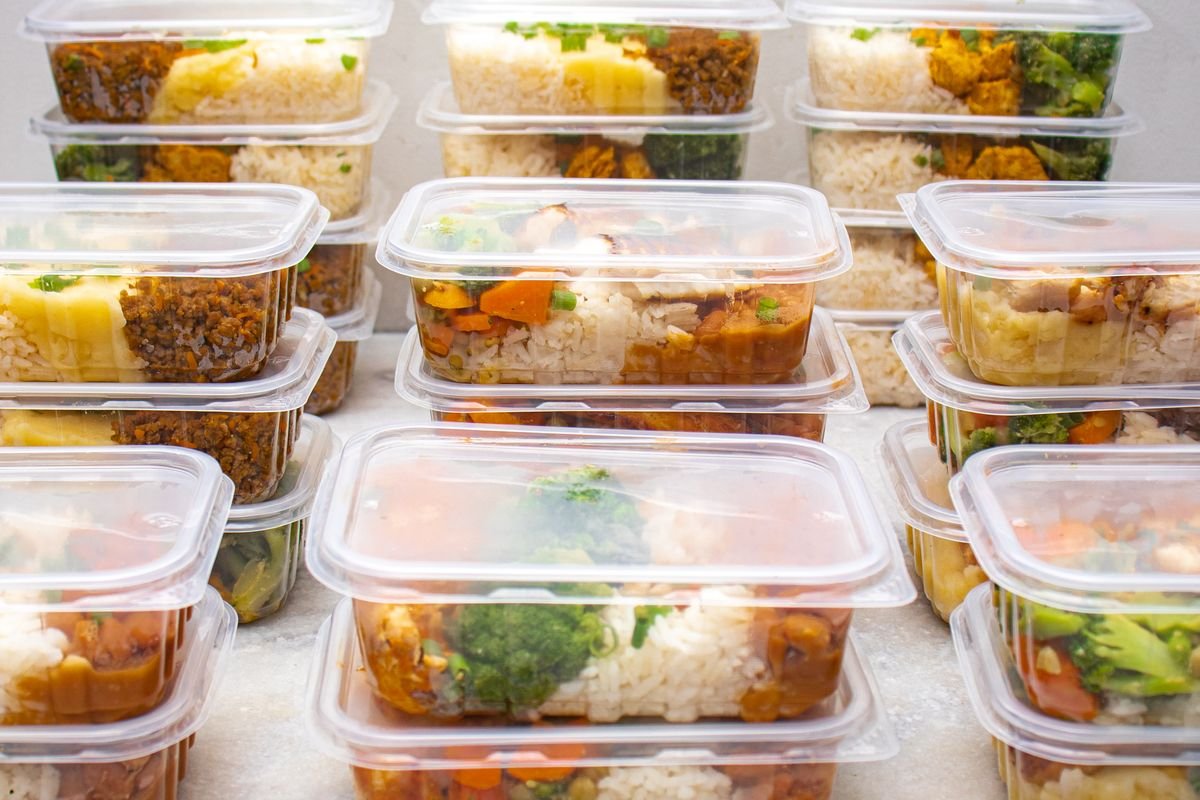
Meal prep has a reputation for being rigid: twenty identical containers of dry chicken and plain rice. It does not have to be. A realistic Sunday system is simply about doing a little work once so that your weekday evenings become easier, calmer and tastier.
What Meal Prep Really Means
You do not have to cook every meal in advance. Smart meal prep means preparing components, such as a grain, a protein, a few vegetables and a sauce, that you can combine in different ways during the week. This keeps meals varied and avoids the fatigue of eating the same dish five days in a row.
Step 1: Plan Simply
Before you shop, spend ten minutes on a plan. Use this flexible framework:
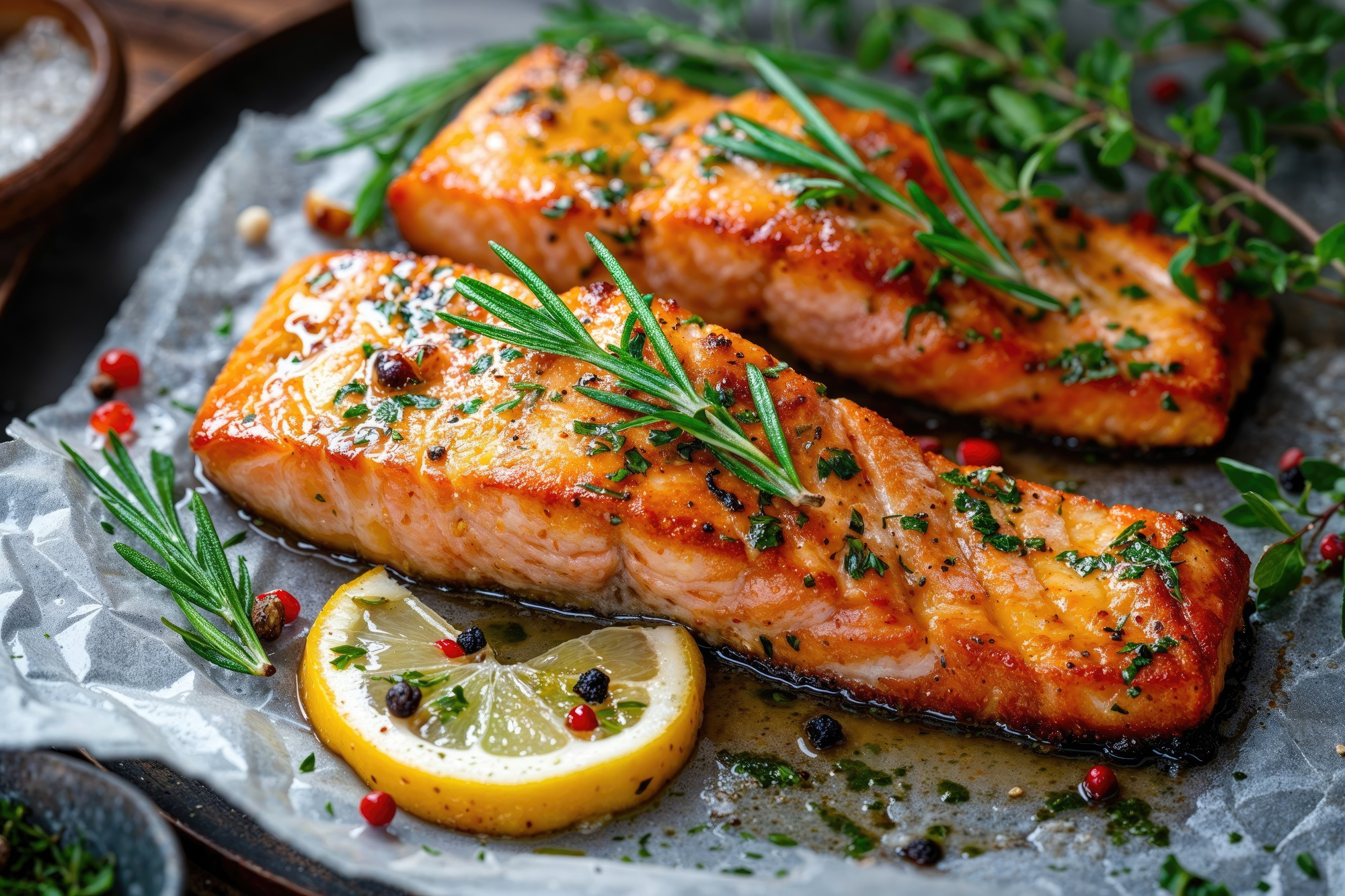
- One or two proteins: roast chicken, lentils, chickpeas, boiled eggs or baked fish
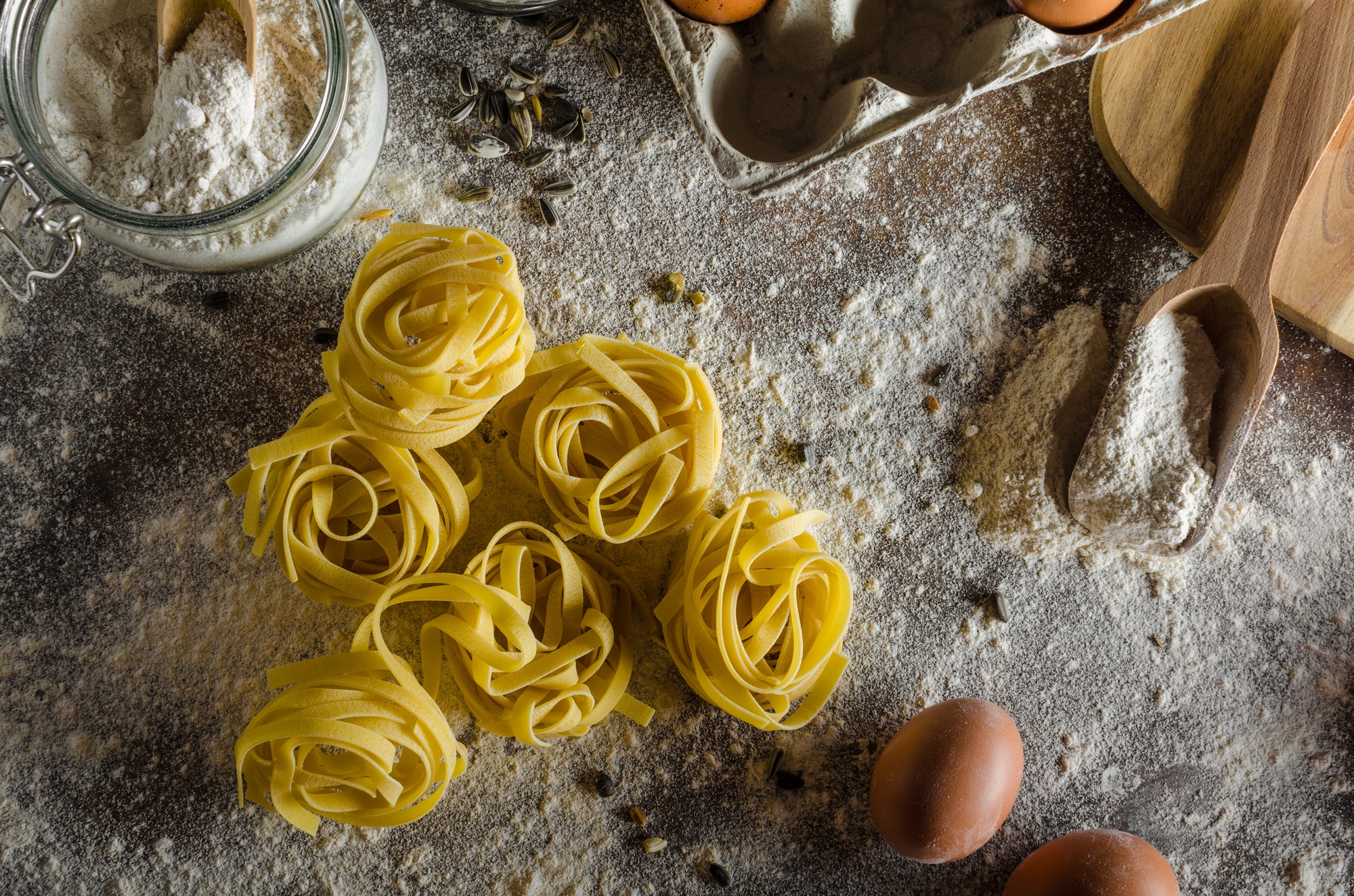
- One grain or starch: rice, couscous, bulgur, potatoes or pasta
- Two or three vegetables: one to roast, one to eat raw, one to cook in a sauce
- One or two sauces: yogurt and herb dressing, tomato sauce, tahini or a lemon vinaigrette
- A snack or breakfast item: overnight oats, fruit or homemade granola
Write the list, check what you already have and shop once.
Step 2: Set Up Your Kitchen
Good containers are the backbone of meal prep. Choose airtight, microwave-safe containers in a few sizes, ideally glass for liquids and sauces. Have a few small jars for dressings. Clear space on the counter, put on some music and gather your tools before you start.
Step 3: A 90-Minute Sunday Workflow
The trick is to run tasks at the same time, so you are never standing around waiting.
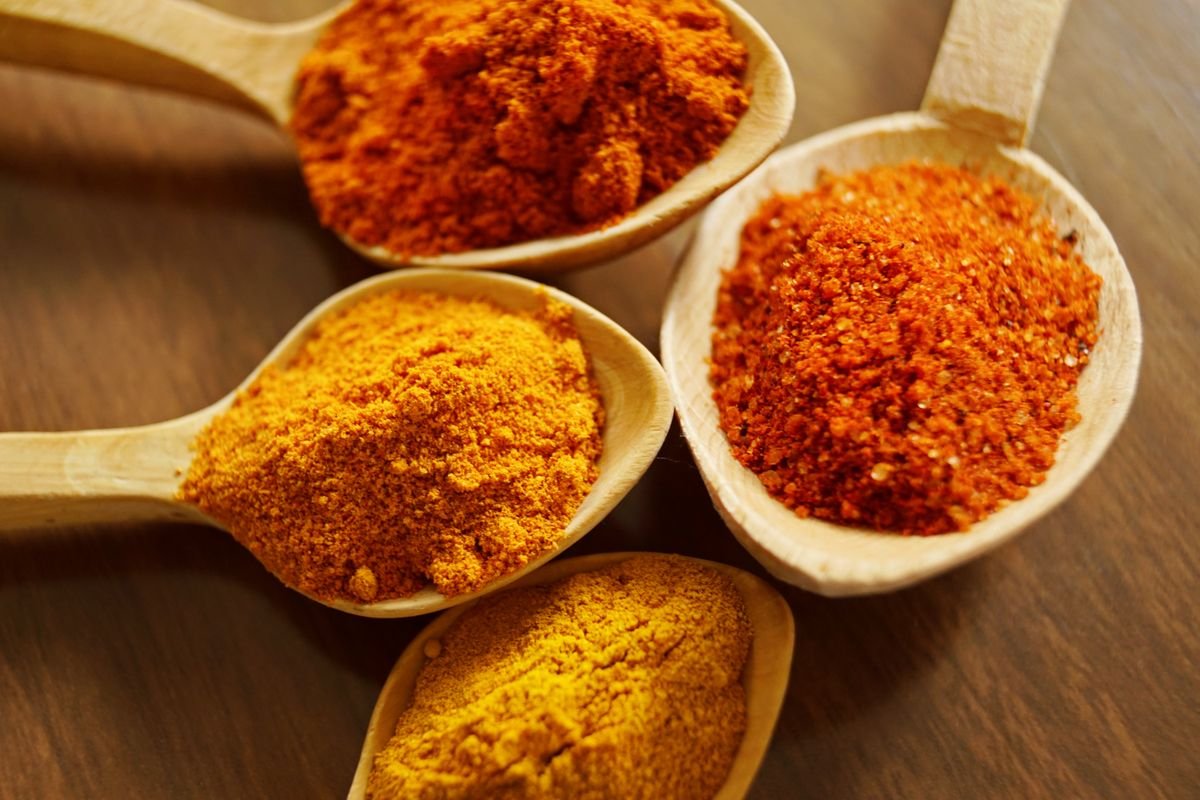
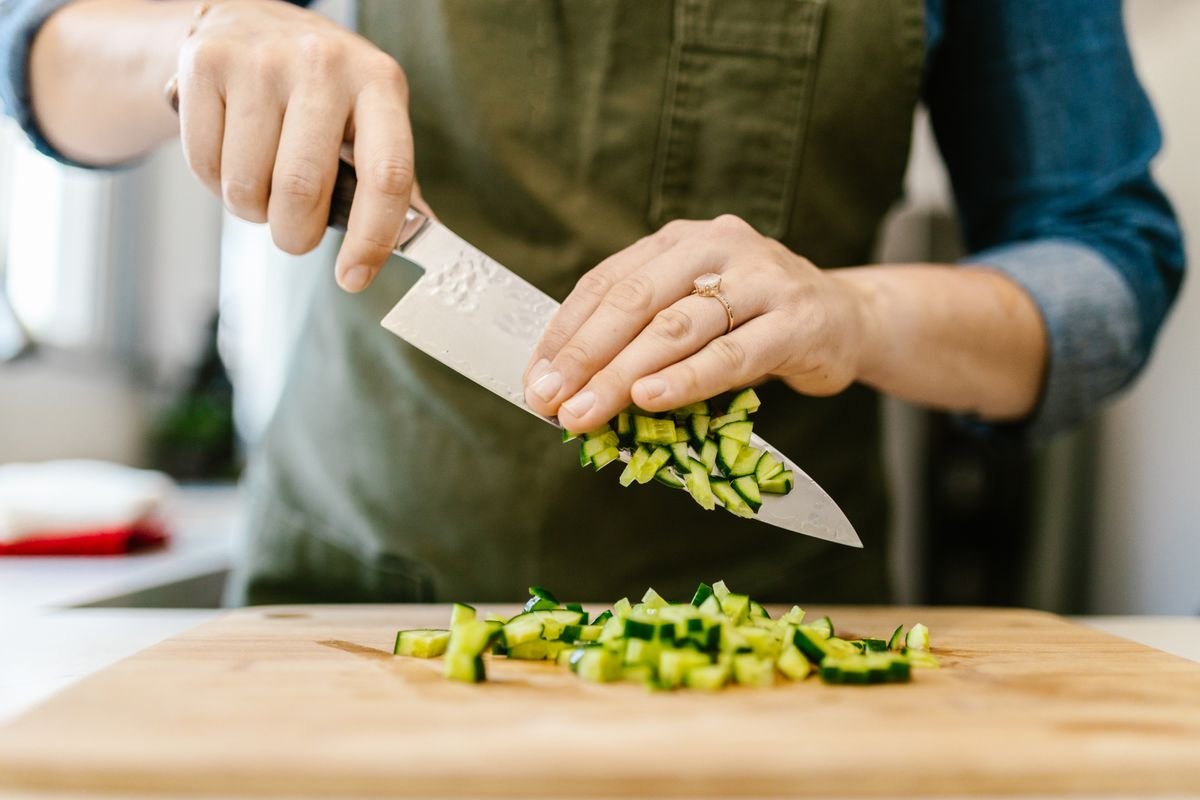
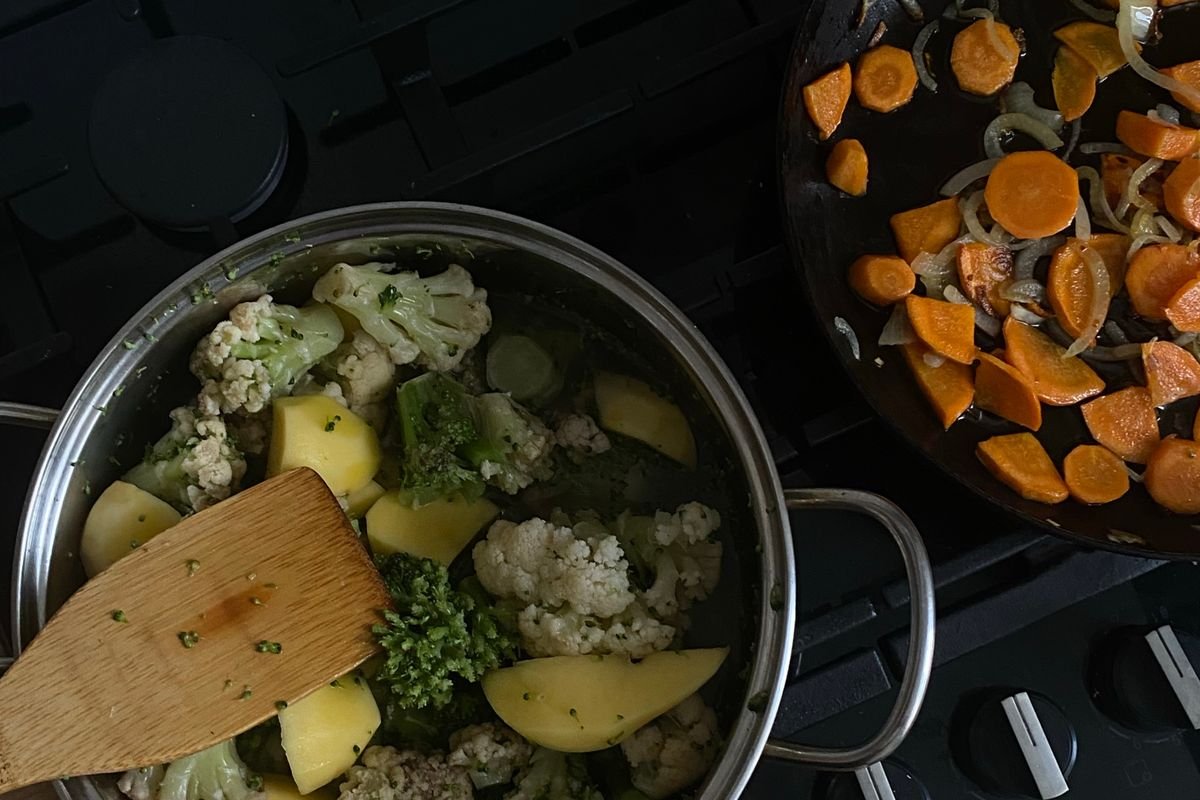
- Start with the oven (minutes 0 to 10). Heat it, then chop vegetables such as carrots, peppers, potatoes or zucchini. Toss with oil, salt and spices and put them on trays to roast for 25 to 35 minutes.
- Start the grain (minutes 10 to 20). Cook a big pot of rice, couscous or bulgur.
- Start the protein (minutes 15 to 35). Put chicken thighs or fish in the oven alongside the vegetables, or simmer a pot of lentils or chickpeas on the stove.
- Make the sauces (minutes 35 to 50). While everything cooks, mix a dressing, blend a dip or simmer a tomato sauce.
- Prepare fresh items (minutes 50 to 65). Wash and chop salad vegetables, herbs and fruit. Boil eggs if you want them.
- Cool, portion and store (minutes 65 to 90). Let food cool for a short while, then divide it into containers.
Food Safety Basics
- Refrigerate cooked food within two hours of cooking.
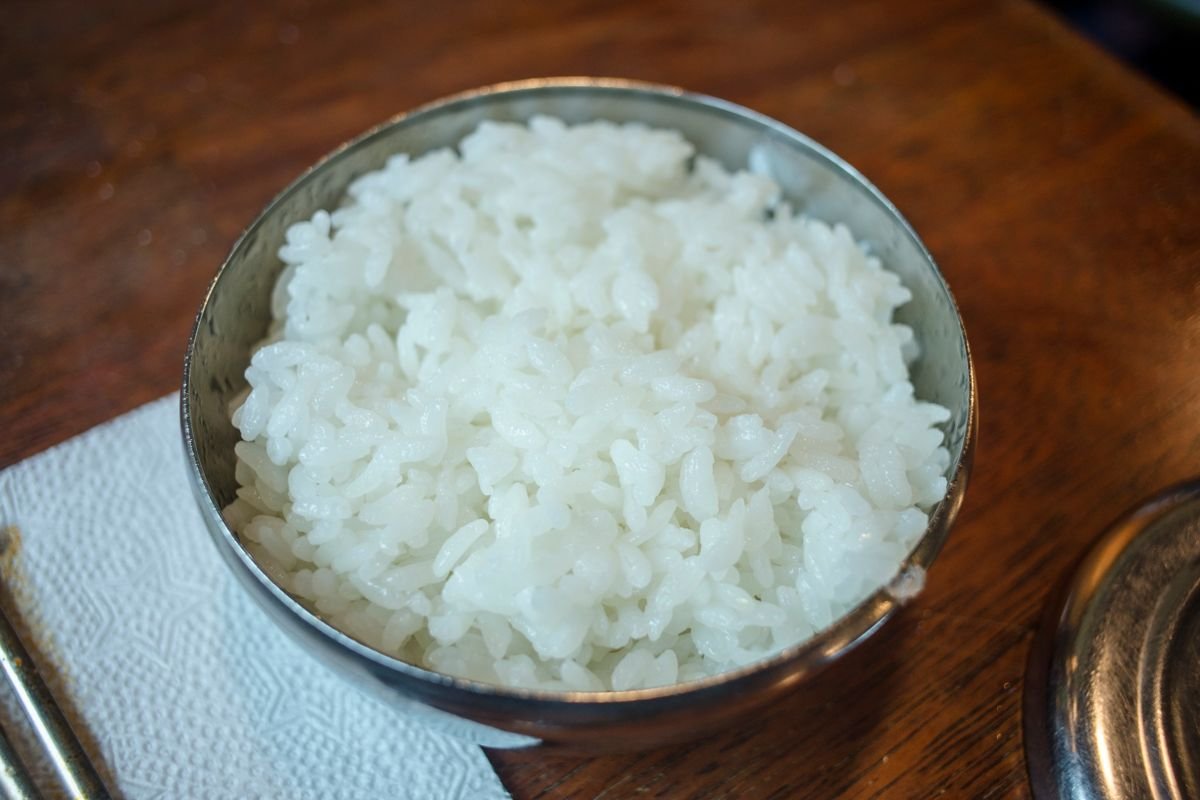
- Cool rice quickly by spreading it on a tray, then refrigerate promptly. Rice left out at room temperature can be a food safety risk.
- Most cooked meals keep well for three to four days in the fridge.
- Freeze anything you will not eat by then, such as soups, stews and cooked beans.
- Reheat food until it is steaming hot all the way through.
- Keep raw and cooked foods separate.
Keep Food Tasting Fresh
- Store sauces and dressings separately so salads stay crisp and grains do not turn soggy.
- Add fresh herbs and lemon just before eating to brighten reheated food.
- Keep crunchy items apart, such as nuts, seeds and raw cucumbers.
- Prepare the first half of the week’s meals and freeze the rest to eat later in the week.
Mix and Match Ideas
- Bowl: rice, roasted vegetables, chicken and yogurt sauce
- Wrap: flatbread with chickpeas, salad and tahini
- Pasta: pasta with tomato sauce and roasted vegetables
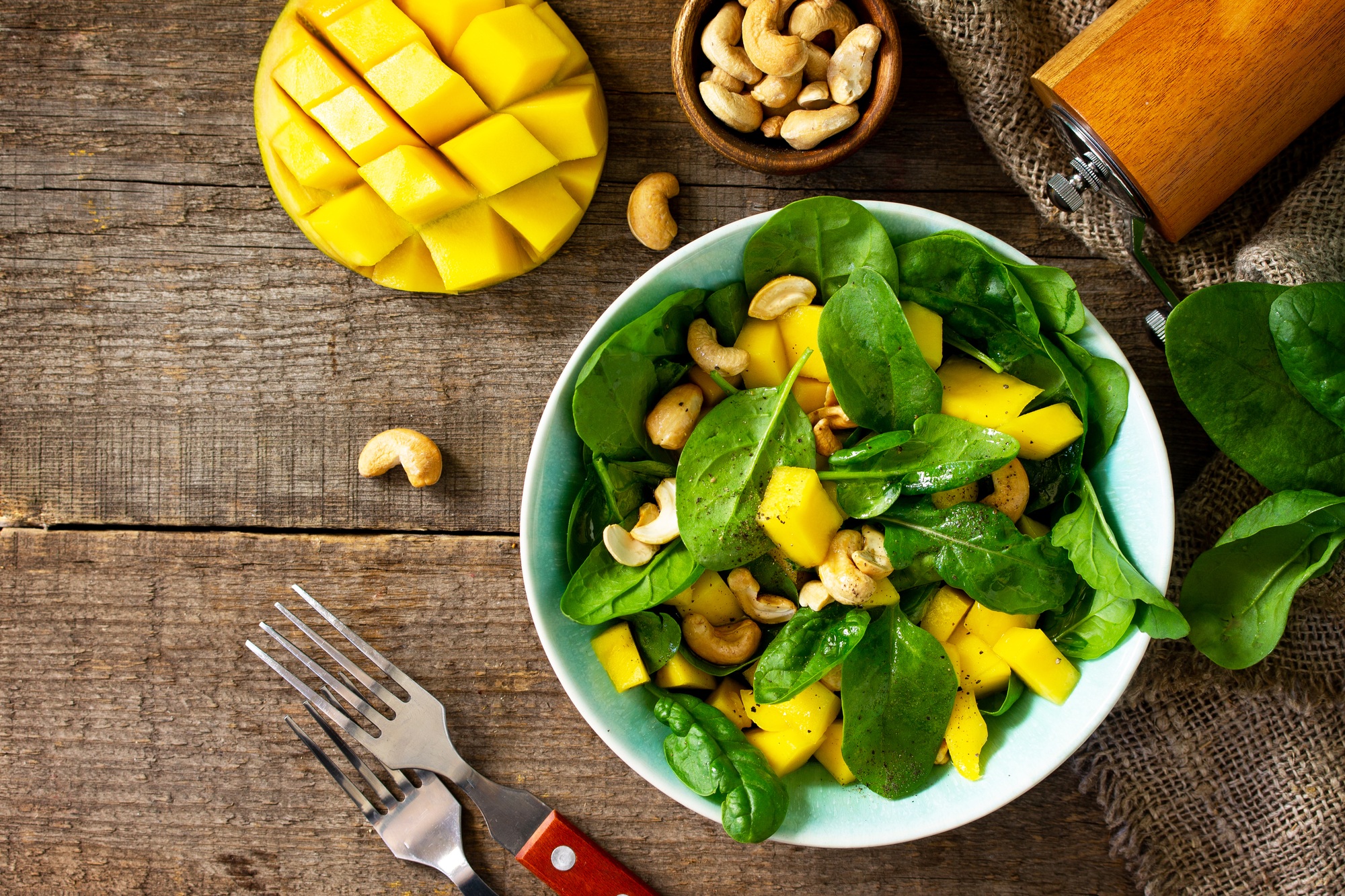
- Salad: bulgur, chopped vegetables, herbs and lemon dressing
- Soup lunch: reheated lentil soup with a boiled egg and bread
Common Mistakes
- Making too much. Start with three or four days of meals, not seven.
- Skipping variety. Change sauces and spices to keep things interesting.
- Cooking everything the same way. Mix roasted, raw and simmered items for different textures.
- Overpacking containers. Leave space so food reheats evenly.
- Forgetting labels. Mark each container with the date.
Frequently Asked Questions
Do I need to meal prep every week?
No. Even a partial prep of a grain, a sauce and some chopped vegetables saves time. Do what fits your schedule.
How can I make meal prep less boring?
Prepare components instead of complete meals, and use two or three sauces to change the flavor from day to day.
Can I meal prep with a small kitchen?
Yes. Use one tray and one pot at a time, and choose simple recipes with few steps.
Will my vegetables go soft?
Roasted vegetables hold up well. Store delicate leaves raw and dry, and dress them just before eating.
The Takeaway
Plan simply, cook in components and store carefully. Ninety focused minutes on Sunday can give you easy lunches, quicker dinners and fewer last-minute decisions. Start small, notice what works for your household and adjust. The best meal-prep system is the one you will actually repeat.