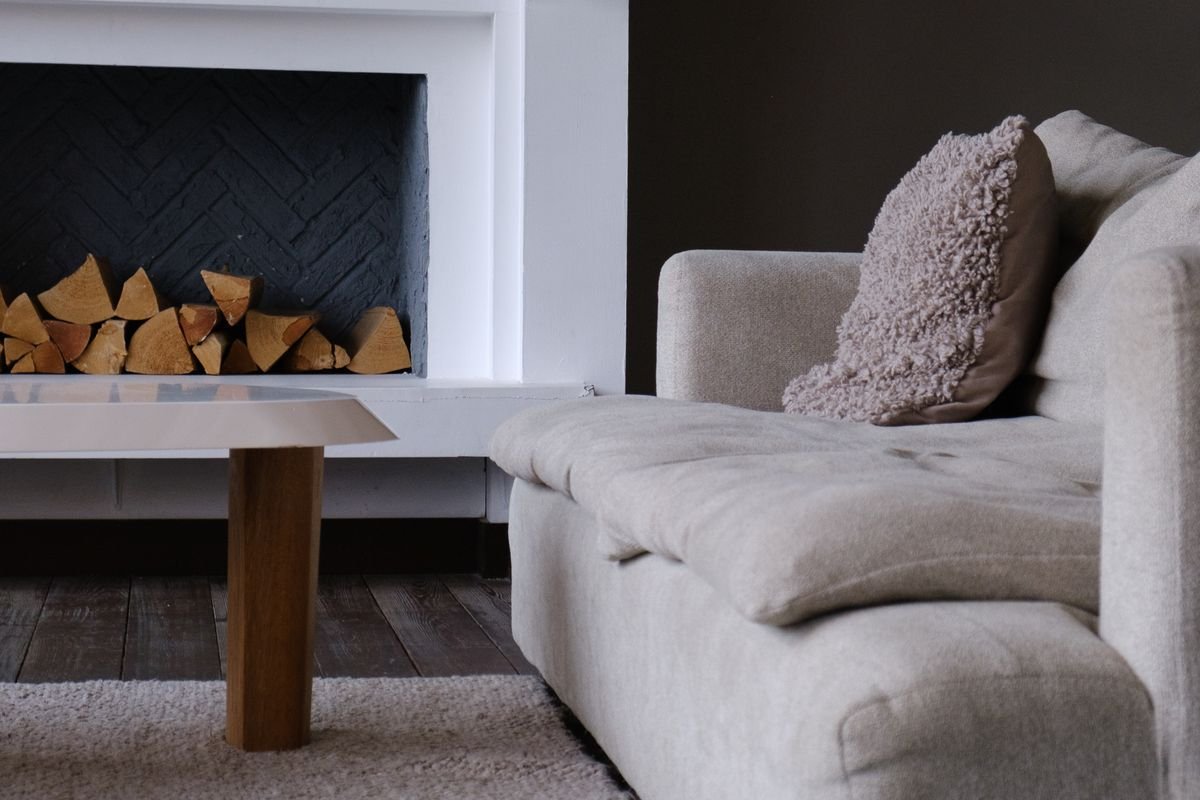
A rug can pull a room together or make it feel strangely disjointed. Most of the time, the problem is not the style. It is the size. Choosing the right dimensions, material and placement is far more important than finding the perfect pattern.
Start With the Size
The most common mistake is buying a rug that is too small. A tiny rug floating in the middle of the room makes the space look smaller and the furniture look disconnected. Measure first, and use these guidelines.
- Living room: ideally, all the furniture legs sit on the rug. If that is too large, at least the front legs of the sofa and chairs should rest on it. Common sizes are about 150 x 240 cm, 240 x 300 cm and 270 x 360 cm (5 x 8, 8 x 10 and 9 x 12 feet).
- Dining room: the rug should extend at least 60 cm (about 24 inches) beyond the table on every side, so the chairs stay on the rug even when pulled out.
- Bedroom: the rug should extend at least 60 cm on both sides of the bed and past the foot, so your feet land on something soft when you get up.
- Hallway: choose a runner that leaves about 10 to 15 cm of bare floor on each side.
- Entryway: pick a durable, low rug that is not so thick that the door catches on it.
Try this trick before buying. Lay painter’s tape or newspaper on the floor in the size you want, live with it for a day and see how it feels.
Choose the Right Material
- Wool. Durable, naturally stain-resistant and comfortable underfoot. It costs more but lasts for years. A good choice for living rooms and bedrooms.
- Cotton. Soft, affordable and often machine washable. Good for casual spaces, kitchens and children’s rooms, although it can flatten with heavy use.
- Jute and sisal. Natural plant fibers with lovely texture. They are hard-wearing, but can feel rough and are difficult to clean if they get wet.
- Synthetics (polypropylene, nylon, polyester). Budget-friendly, resistant to stains and fading, and available in many styles. A smart choice for busy households.
- Viscose. Silky and beautiful, but it weakens when wet and marks easily. Best in low-traffic rooms.
Think About Pile Height and Weave
Pile is the thickness of the rug’s surface. Low pile and flat weaves are easier to vacuum and work well in busy areas or under furniture. High pile feels luxurious, but it traps more dust and crumbs, so it is better for bedrooms and quiet corners.
Match the Rug to the Room
Ask yourself three questions:
- How much traffic will it get? A busy living room or hallway needs durability. A bedroom can have something more delicate.
- Who uses the room? Homes with children or pets benefit from washable or stain-resistant materials.
- What is already in the room? Look at your sofa, curtains and walls.
Color and Pattern
- Neutral rug, busy room: a plain or subtle rug balances lively furniture and artwork.
- Plain room, patterned rug: a bold rug becomes the focal point.
- Small room: light colors make the space feel open. Dark rugs can feel cozy but heavy.
- Stains and wear: medium tones and patterns hide dirt better than very light or very dark solids.
If you already have a patterned sofa or wallpaper, avoid a pattern with the same scale. Combine large prints with small ones, or use a solid.
Do Not Skip the Rug Pad
A pad does three things. It stops the rug slipping, which is a safety issue, protects the floor and adds cushioning. Choose a pad slightly smaller than the rug, and make sure it is suitable for your floor type. Some rubber backings can mark certain floor finishes.
Layering Rugs
For a layered look, place a smaller patterned rug on top of a larger neutral one, such as jute. This adds depth and lets you use a pretty rug that is too small on its own. Keep one rug flat and low so the layers lie smoothly.
Care and Cleaning
- Vacuum regularly. Switch off any beater bar on delicate or high-pile rugs.
- Blot spills straight away with a clean cloth. Do not rub.
- Rotate the rug every six months to even out wear and sun fading.
- Check the care label before using any cleaning product.
- Have valuable or antique rugs professionally cleaned.
Frequently Asked Questions
Should the rug touch the walls?
No. Leave about 20 to 45 cm of bare floor around the edges for a balanced look in most living rooms.
Can I put a rug on carpet?
Yes. Use a thin, flat rug with a non-slip pad designed for carpet, to prevent bunching.
Is a round rug a good idea?
Round rugs work beautifully under round dining tables, in entryways and in rooms with many angular pieces of furniture.
How long will a rug last?
A well-made wool rug can last decades. Synthetic rugs may last a few years depending on use.
The Takeaway
Go bigger than you think, choose a material that suits your lifestyle and always use a pad. Measure carefully, test the size with tape and consider traffic, color and pattern. The right rug is a quiet foundation that makes everything else in the room look better.