Rice looks simple, yet it is one of the easiest things to get wrong. Too wet, it turns to mush. Too dry, it stays hard in the middle. Burnt at the bottom, sticky on top. The good news is that perfect rice follows a few predictable rules, and once you know them you can make fluffy, separate grains every time.
Know Your Rice
Different rice behaves differently, so the first step is knowing what you have.
- Basmati. Long, slender grains that stay separate and fluffy. Perfect for pilafs and side dishes.
- Jasmine. Fragrant and slightly softer, with a little stickiness.
- Standard long-grain white rice. A reliable all-rounder.
- Medium and short-grain rice. Softer and stickier, suited to puddings, stuffed vegetables and dishes where you want the grains to hold together.
- Brown rice. A whole grain with the bran intact. It takes longer to cook and has a chewier texture.
Step 1: Rinse the Rice
Raw rice carries surface starch, which makes it gummy when cooked. Put the rice in a bowl or sieve, cover it with cold water, swish it with your hand and drain. Repeat until the water looks mostly clear, usually two to four times. For basmati, soaking in cold water for 20 to 30 minutes after rinsing helps the grains cook evenly and stretch longer.
Step 2: Measure the Water
The ratio depends on the type of rice and the pot you use. Use these as starting points, measured by volume, and adjust slightly to your pan and your taste.
- Basmati: 1 cup rice to 1 1/2 cups water
- Jasmine: 1 cup rice to 1 1/4 to 1 1/2 cups water
- Standard long-grain white: 1 cup rice to 1 3/4 to 2 cups water
- Brown rice: 1 cup rice to 2 to 2 1/4 cups water
Rinsed rice already holds a little water, so the lower end of each range often works best.
Step 3: The Absorption Method
This is the most common way to cook rice, and it works with any saucepan that has a tight-fitting lid.
- Add the rinsed rice, the measured water and a pinch of salt to the pot.
- Bring to a boil over high heat, uncovered.
- As soon as it boils, give it one stir, cover tightly and turn the heat to the lowest setting.
- Cook white rice for 12 to 15 minutes, or brown rice for 40 to 45 minutes, without lifting the lid.
- Turn off the heat and let the pot rest, still covered, for 10 minutes. The steam finishes the cooking and firms up the grains.
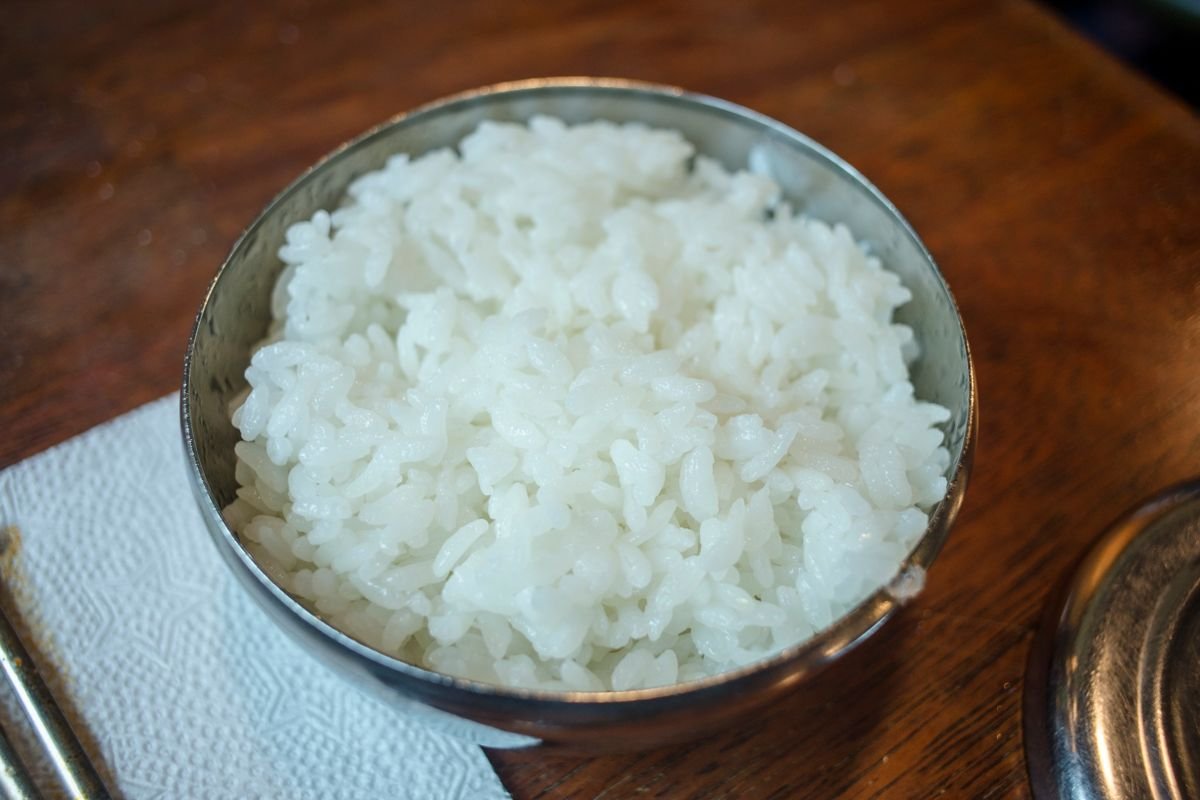
- Fluff gently with a fork, not a spoon, to separate the grains.
Resist the urge to peek. Lifting the lid lets out the steam that cooks the rice.
Step 4: Make It Taste Better
Plain rice is a blank canvas, but a few simple additions make it special.
- Toast it first. Heat a spoonful of oil or butter, add a chopped onion and cook until soft, then stir in the dry rice for a minute before adding hot water or stock. This is the basic pilaf method.
- Use stock instead of water. Chicken or vegetable stock adds depth. Check the salt level of ready-made stock.
- Add whole spices. A cinnamon stick, a few cardamom pods, bay leaves or cumin seeds in the oil add aroma.
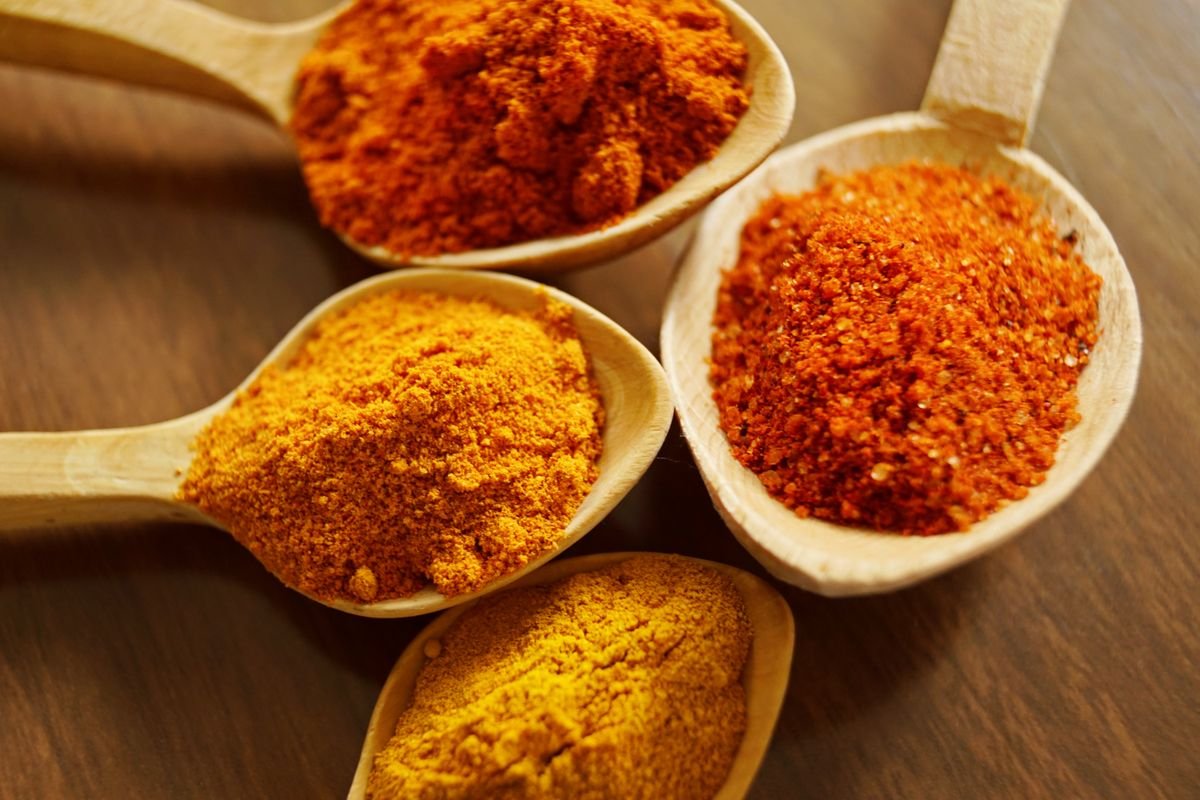
- Add color. A little turmeric turns rice a pleasing golden yellow.
- Finish with herbs. Fresh parsley, coriander or dill stirred in at the end brighten the dish.
The Boiling Method
Another reliable approach is to cook rice like pasta. Bring a large pot of salted water to a boil, add the rinsed rice and cook until tender, about 10 minutes for basmati. Drain in a sieve, return it to the warm pot, cover and rest for five minutes. This method is forgiving because exact measurements do not matter, and it produces very separate grains.
Using a Rice Cooker
A rice cooker takes away the guesswork. Follow the water line marked in the pot, rinse the rice first and let it rest for 10 minutes after it switches off.
Troubleshooting
- Mushy rice: too much water, too little rinsing or too much stirring. Use less water next time and leave it alone while it cooks.
- Hard or crunchy rice: not enough water or too short a cooking time. Add a splash of hot water, cover and cook for a few more minutes.
- Sticky clumps: the rice was not rinsed enough. Rinse more thoroughly.
- Burnt bottom: the heat was too high or the pot too thin. Use the lowest heat and a heavy-based pot.
- Bland rice: add salt to the water, or cook with stock and aromatics.
Storing and Reheating Rice Safely
Cooked rice needs a little extra care, because bacteria that survive cooking can multiply if rice is left at room temperature.
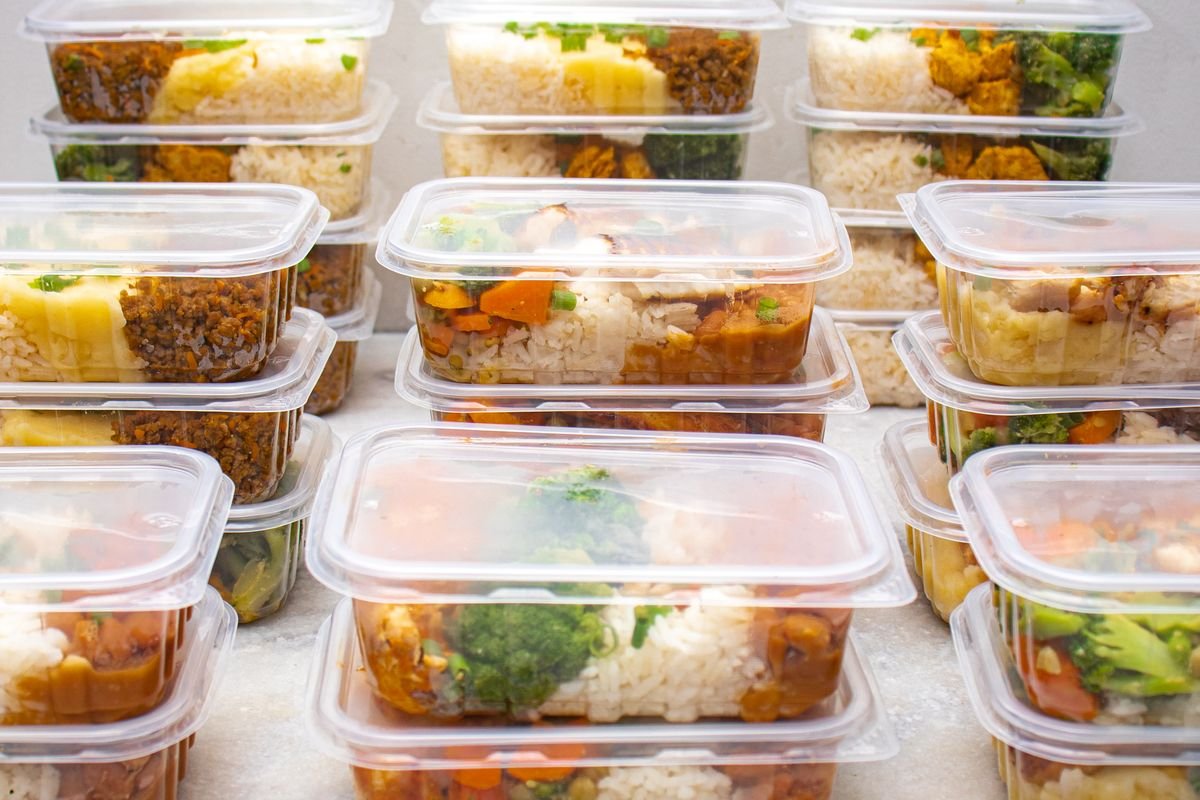
- Cool rice quickly by spreading it on a tray, and refrigerate it within an hour or so.
- Store it in a covered container and eat it within a day or so.
- Reheat until it is steaming hot all the way through, and do not reheat it more than once.
- Never leave cooked rice sitting out for hours.
Frequently Asked Questions
Do I really need to rinse rice?
For fluffy, separate grains, yes. For dishes where you want creaminess, such as rice pudding or risotto-style dishes, do not rinse.
Can I cook rice in advance?
Yes, if you cool and store it properly. It is a handy meal-prep ingredient.
Why does my rice stick to the pot?
The heat may be too high or the pot too thin. A non-stick or heavy pan helps, and soaking the pot straight after serving makes cleaning easy.
How much rice should I cook per person?
About 1/2 cup of uncooked rice per adult as a side dish, or 3/4 cup if it is the main part of the meal.
The Takeaway
Rinse the rice, measure the water for your type of rice, cook it covered on low heat without peeking, and let it rest before fluffing. Add a little flavor, store leftovers carefully and you will have reliable rice for every meal.