You do not need solar panels or a full renovation to lower your energy bills. Most households can cut their use with small, inexpensive changes to the way they light, heat, cool and run their homes. The savings add up month after month, and they also make your home more comfortable.
Start by Understanding Where Energy Goes
Before changing anything, look at your bills and note which months cost the most. In many homes, heating and cooling account for the largest share, followed by water heating, appliances and lighting. Read your meter at the same time each week for a month to see your daily use, and check which rooms and devices use the most.
Lighting: The Easiest Win
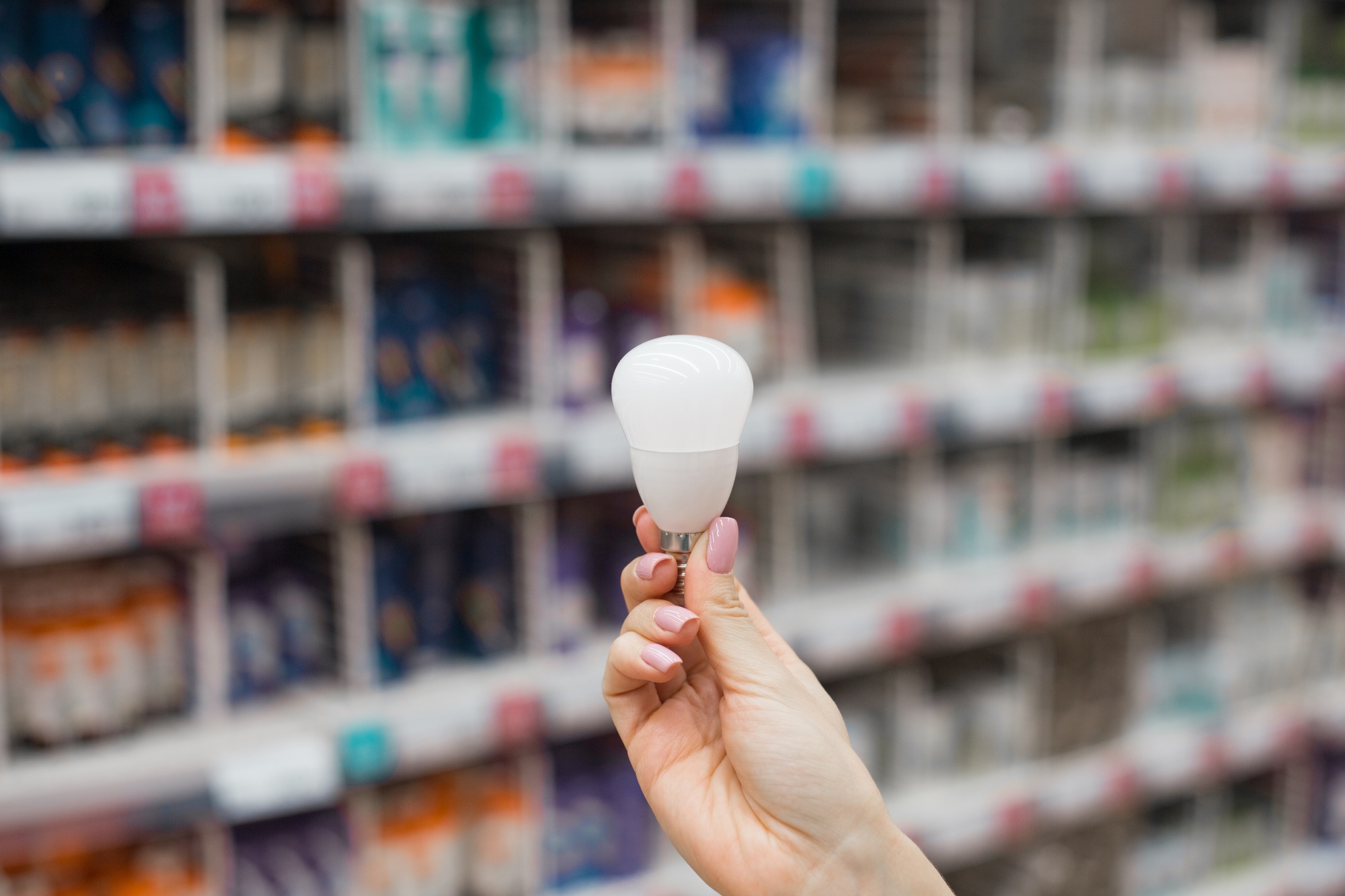
- Switch to LED bulbs. LEDs use far less electricity than old incandescent bulbs, often around three quarters less, and they last much longer.
- Turn lights off. Make it a habit when you leave a room.
- Use daylight. Open curtains in the morning, and keep windows clean.
- Add dimmers and timers where they make sense.
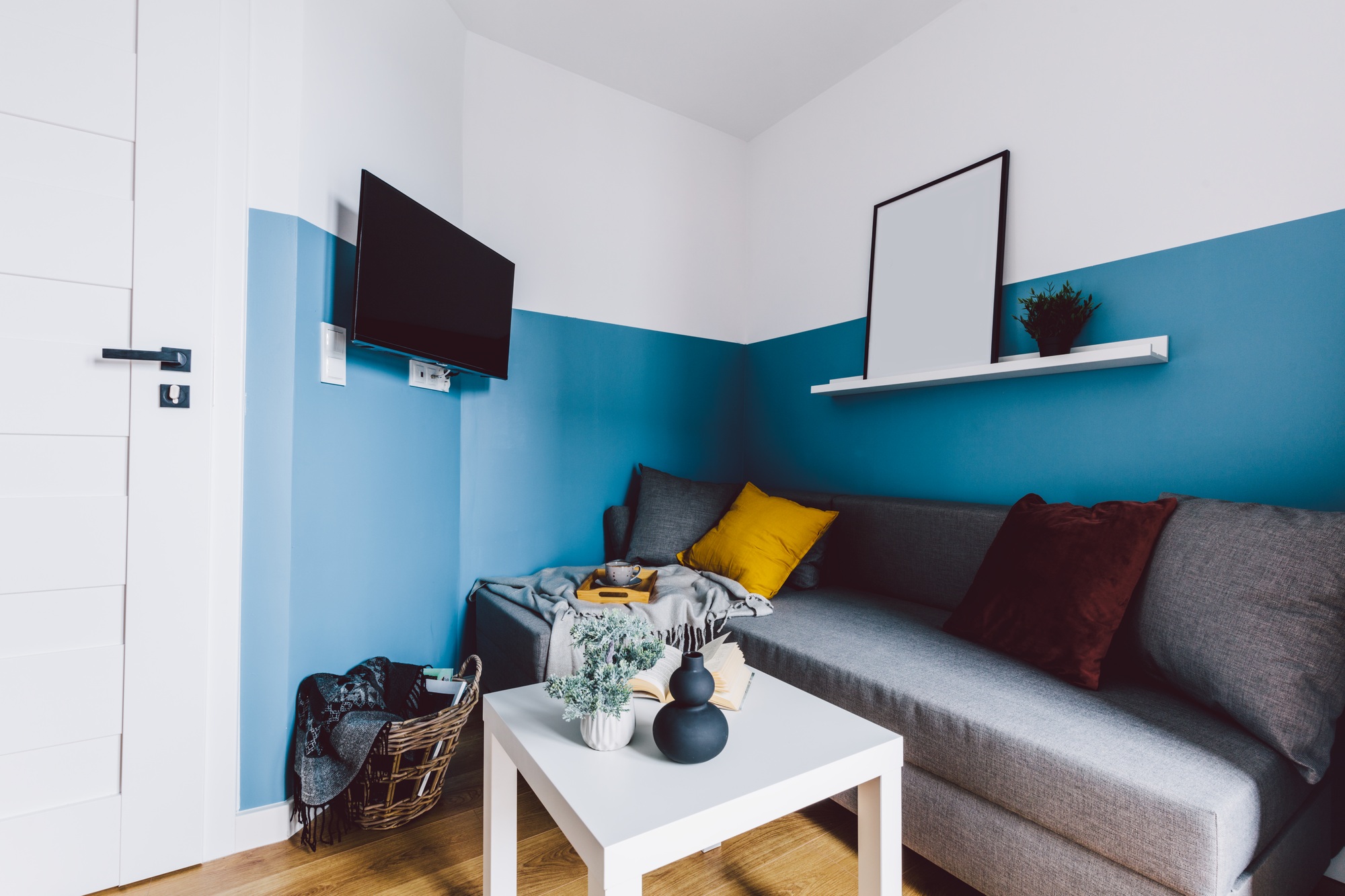
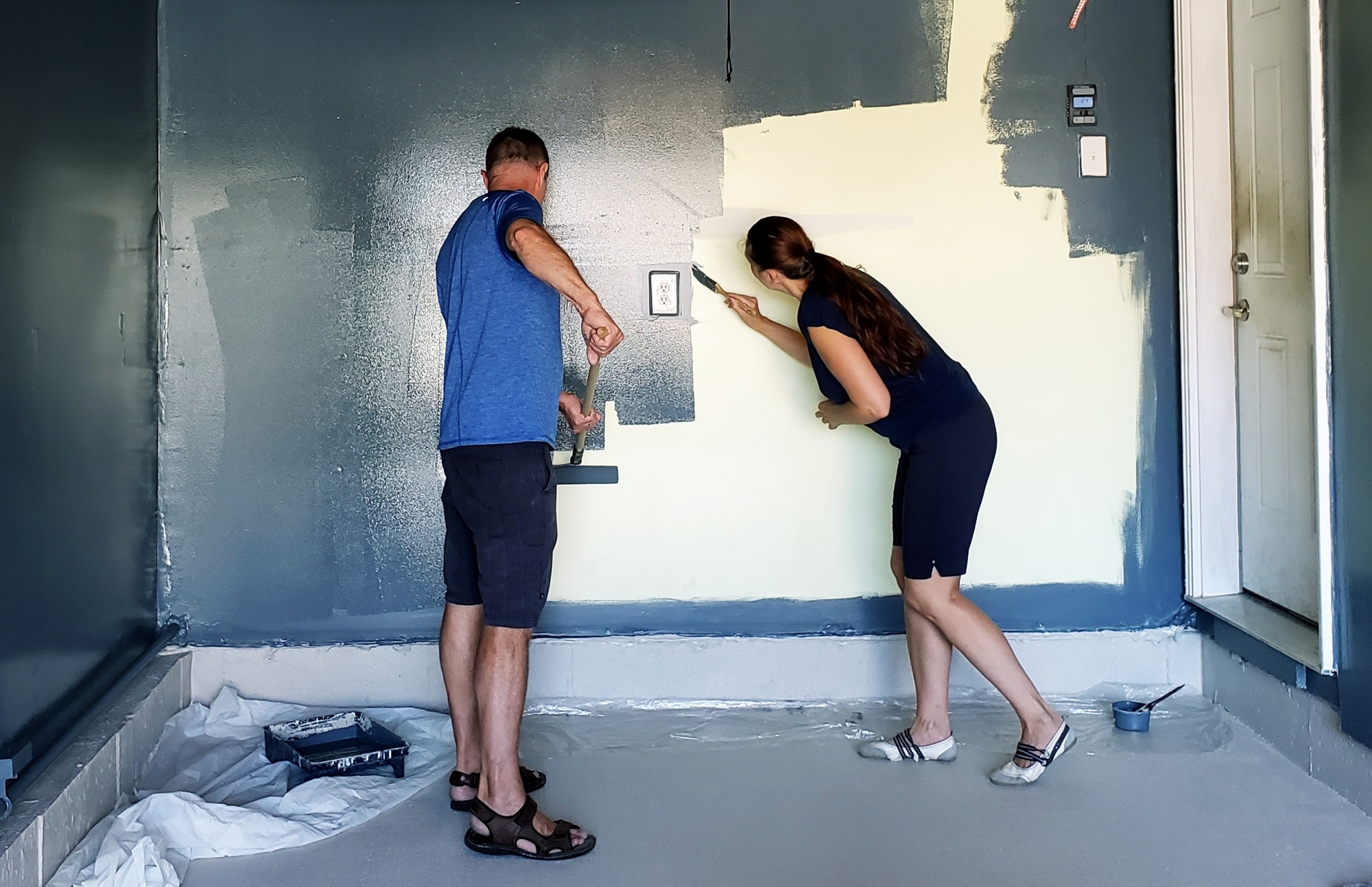
- Choose light shades for walls and ceilings, since they reflect more light and reduce the need for bright lamps.
Heating and Cooling
This is usually the biggest opportunity.
- Set sensible temperatures. In winter, each degree lower on the thermostat saves energy. In summer, setting air conditioning to around 24 to 26 °C is comfortable and efficient.
- Use a programmable thermostat or timer so the system does not run when no one is home.
- Service your equipment. Clean or replace air conditioner and heater filters regularly. A clean system works more efficiently.
- Use fans. A ceiling or standing fan makes a room feel several degrees cooler for a fraction of the energy of an air conditioner.
- Heat or cool only the rooms you use. Close doors to unused spaces.
Keep the Heat Out in Summer
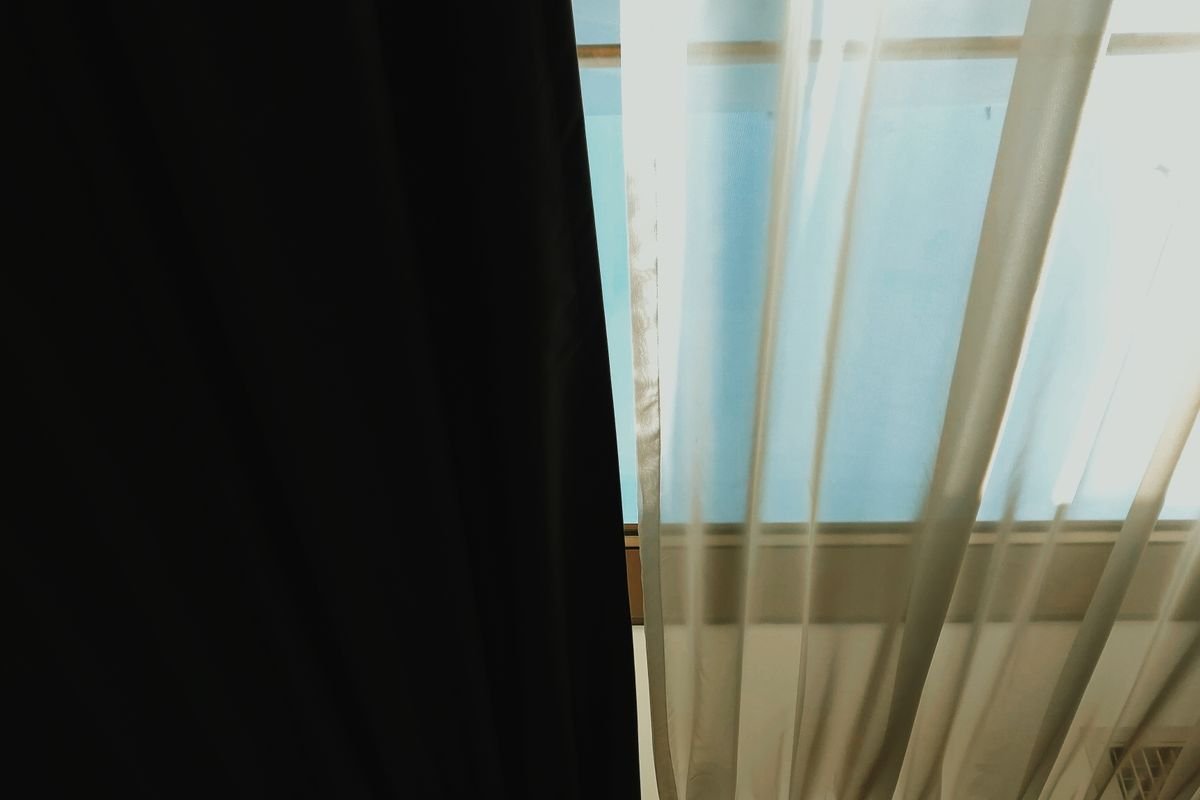
- Shade windows. External shutters, awnings, blinds and thick or reflective curtains keep strong sun from heating the room.
- Close windows during the hottest hours, and open them in the cool evening and early morning to let fresh air in.
- Ventilate at night. Cross-ventilation between windows on opposite sides of the house flushes out stored heat.
- Use light-colored roofs and walls if you are able to make changes, as they reflect more heat.
Keep the Warmth In During Winter
- Seal drafts. Weather stripping and draft excluders around doors and windows stop warm air leaking out.
- Use thick curtains. Lined drapes add an extra layer of insulation. Close them at dusk.
- Add rugs. Bare floors lose warmth quickly.
- Insulate where you can. Roof spaces and exposed pipes are common weak points.
- Let the sun in. Open curtains on sunny winter days to enjoy free heat.
Appliances and Electronics
- Unplug or switch off at the wall. Many devices use standby power when not in use. A power strip makes it easy to switch off several at once.
- Choose efficient models. When replacing an appliance, check the energy rating.
- Run full loads. Washing machines and dishwashers use similar energy whether half or fully loaded.
- Wash in cooler water. Most heating energy in a wash goes into warming the water.
- Air-dry clothes when the weather allows, instead of using a tumble dryer.
- Check the fridge. Keep it at a suitable temperature, around 3 to 5 °C, make sure the door seals tightly, and keep it away from the oven or direct sun.
- Defrost your freezer if ice builds up.
Hot Water
- Lower the water heater thermostat to a comfortable, safe level, often about 50 to 55 °C.
- Take shorter showers, and fix dripping taps, since hot water that leaks is energy wasted.
- Insulate hot water tanks and pipes.
- Consider a water-saving shower head.
In the Kitchen
- Put lids on pots, so food cooks faster with less energy.
- Use the right size burner for the pan.
- Do not open the oven door more than necessary.
- Use a pressure cooker or a microwave for quick meals and a kettle for boiling water.
- Batch cook, and use the oven’s residual heat for several dishes.
Windows and Doors
Windows are one of the largest sources of heat gain and loss. Check for gaps and cracks, and replace worn seals. If you can afford double glazing, it improves comfort and reduces noise as well. If not, thick curtains, blinds and window film are low-cost improvements.
Build Good Habits Together
Share the plan with your family. Teach children to switch off lights and devices, and set a few simple household rules. Seeing the effect on the next bill is a good motivator.
Order Your Actions by Cost and Impact
- Free: switch things off, adjust thermostats, use curtains and fans, wash in cold water.
- Low cost: LED bulbs, draft excluders, power strips, shower heads.
- Medium cost: programmable thermostats, insulation, better window coverings.
- Larger investments: efficient appliances, double glazing, solar water heating or panels.
Frequently Asked Questions
Is it cheaper to leave the air conditioner on all day?
Usually not. Turn it off or set it higher when you are out, and cool the home before you need it with shading and ventilation.
Do standby devices really matter?
Individually they use little, but together they can add noticeably to your bill over a year.
What is the single best change?
It depends on your home, but switching to LED lighting and managing heating and cooling usually give the best returns for little money.
How long before I see savings?
Often on your next bill, especially after changing habits and settings.
The Takeaway
Start with the free and low-cost changes: LED lights, sensible thermostat settings, shading and ventilation, draft sealing and switching things off. Track your bills to see what works. A more efficient home costs less to run and feels more comfortable all year.
This article is general information. Check local safety rules and consult a qualified professional for electrical, gas or insulation work.