A child’s room has to do a lot. It is a place to sleep, play, read, do homework and sometimes hide from the world. It also has to cope with growth spurts, changing interests and an endless supply of toys. The aim is not a perfect magazine bedroom. It is a calm, flexible space that supports rest and play, and that does not need a complete redesign every two years.
Start With a Calm Foundation
Children’s rooms often get loud with bright colors, busy patterns and character themes. A calm base makes the room easier to live in, and lets the child’s belongings and artwork add the color.
- Choose soft, neutral walls. Warm whites, pale greens, soft blues, sand and gentle grey create a restful backdrop.
- Add color in small, changeable ways. Bedding, cushions, rugs and posters are easier and cheaper to update than walls.
- Be careful with themes. A character theme may be loved for a year and disliked the next. A few themed accessories give the same joy with less commitment.
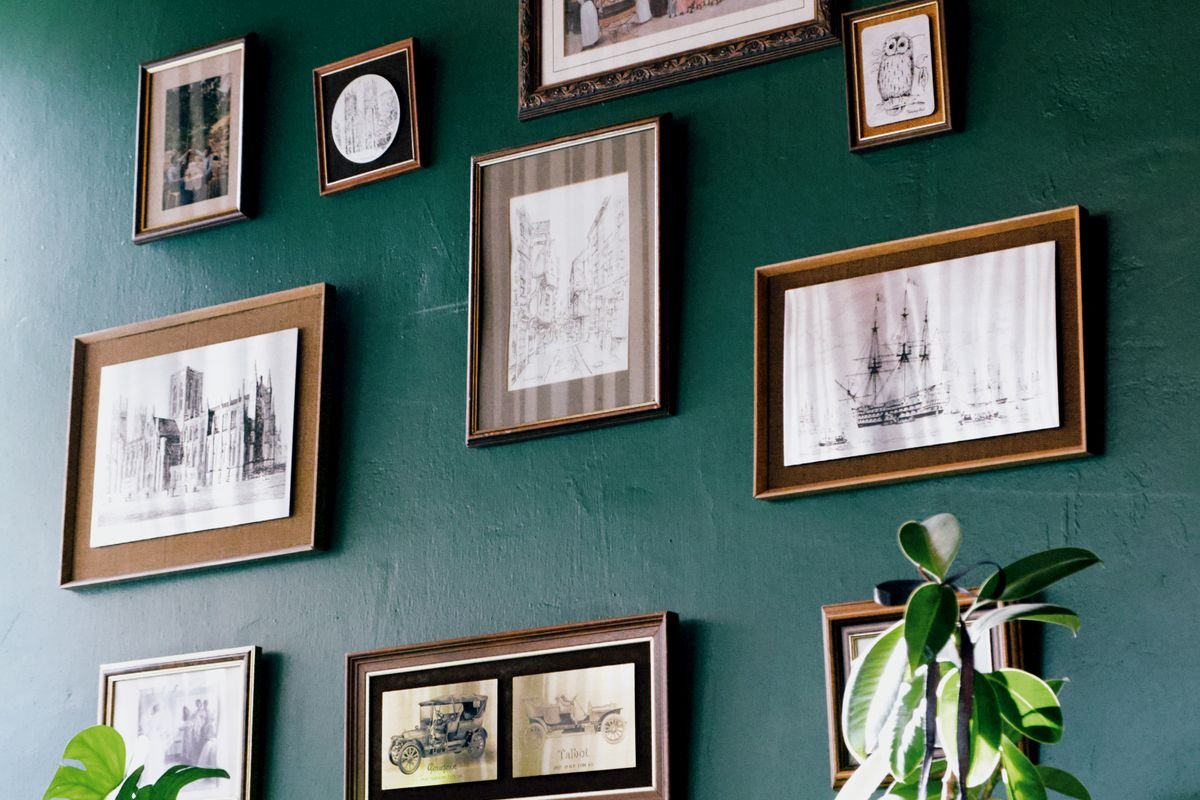
- Choose suitable imagery. Favor calm, positive pictures, nature, animals, maps and books.
Divide the Room Into Zones
Even a small room works better when each area has a clear purpose.
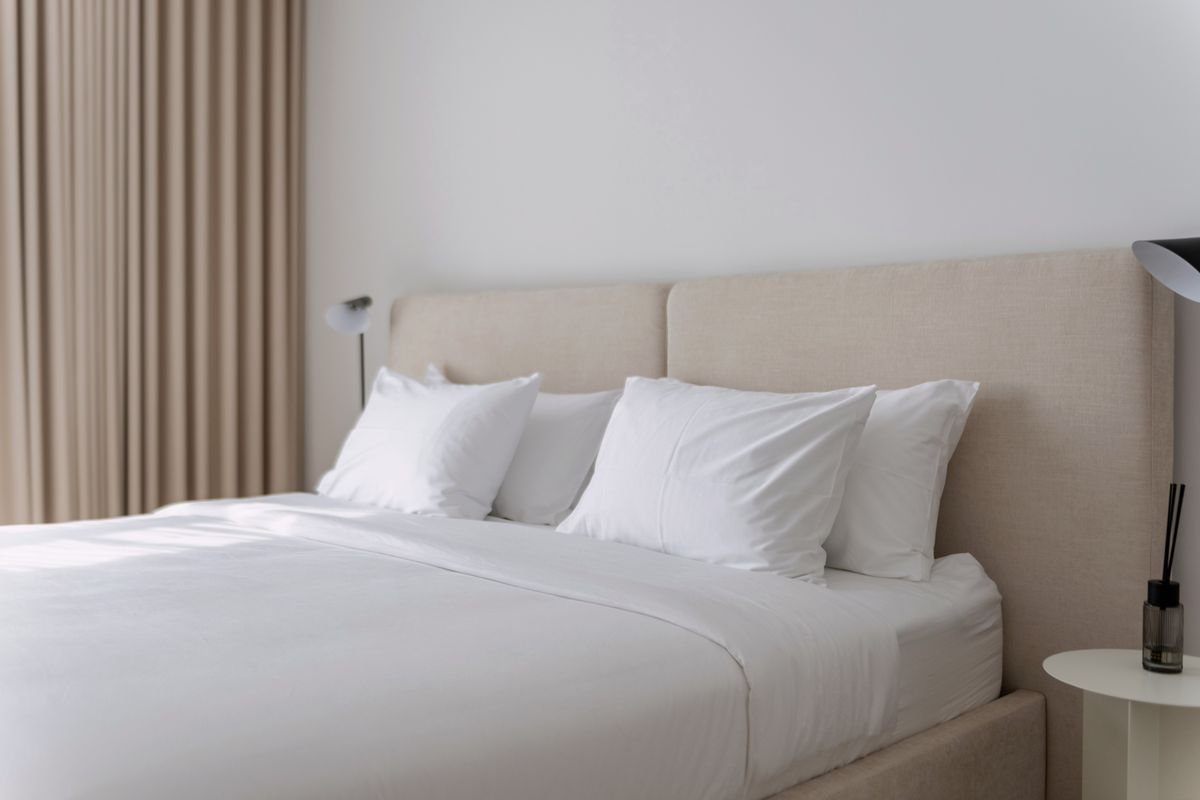
- Sleep zone. The bed, a bedside table and a soft light. Keep it calm and clutter-free.
- Play zone. A rug or open floor area with toy storage nearby.
- Study or creative zone. A small desk or table with a comfortable chair, good lighting and storage for supplies.
- Reading nook. A cushion, a shelf of books and a lamp make a quiet corner.
If space is tight, combine zones, such as a desk that folds away or a bed with storage underneath.
Storage That Children Can Use
A tidy room is possible only if the child can reach the storage themselves.
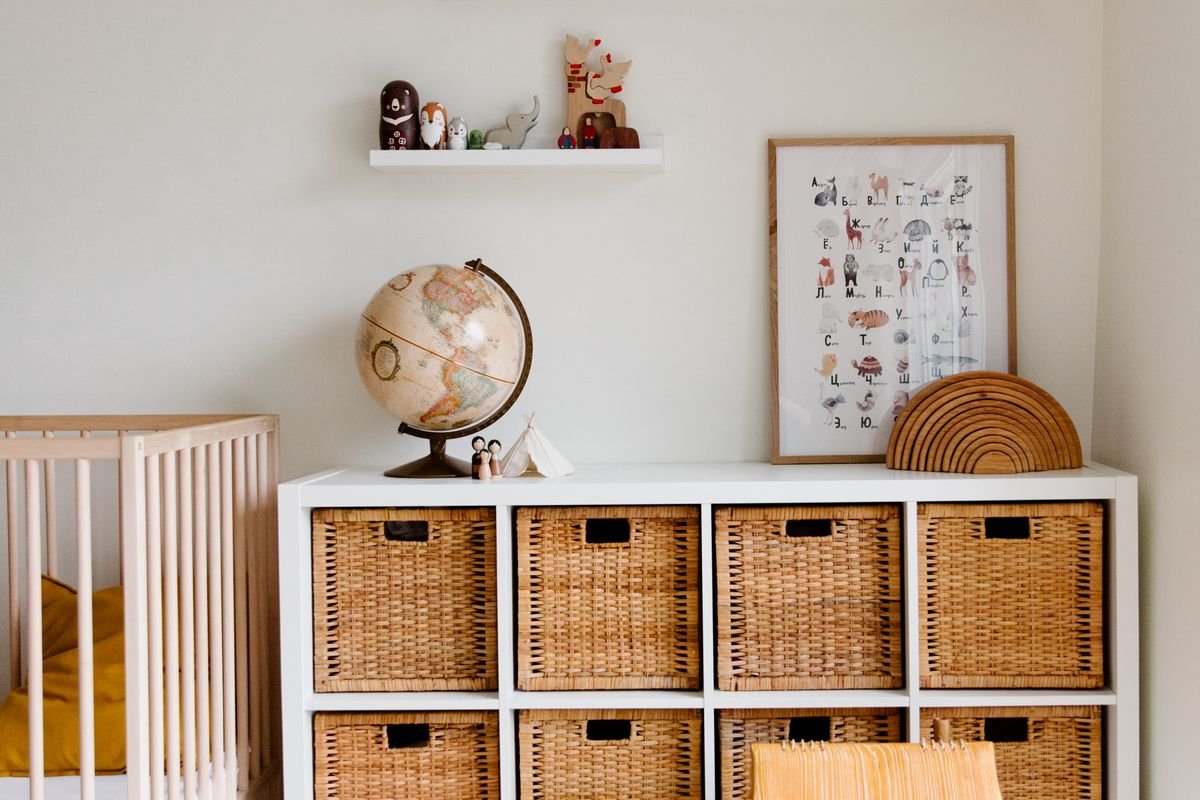
- Keep storage low. Open shelves and baskets at child height make tidying easy.
- Use bins and baskets. Group similar items, such as blocks, cars, art supplies and soft toys.
- Label them. Use pictures for younger children and words for older ones.
- Use under-bed boxes for out-of-season clothes and rarely used toys.
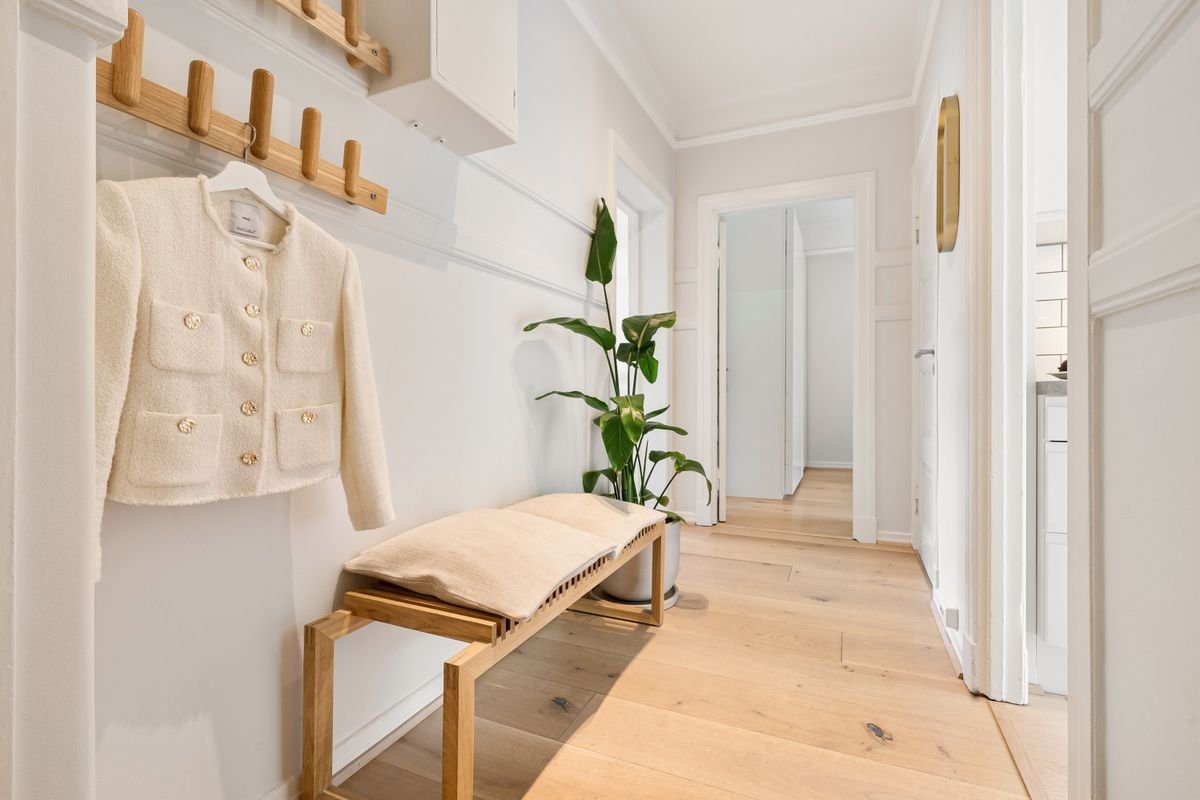
- Add hooks at child height for bags, coats and dressing-gowns.
- Display, do not hide, favorite items. A shelf or board for artwork and treasures gives them a place of honor.
Less Is Calmer
The biggest source of mess is too many toys. Many families find it helpful to rotate them.
- Keep a small selection in the room.
- Store the rest in a cupboard or box.
- Swap them every few weeks.
Children often rediscover old toys with fresh interest, and the room stays more peaceful. Donate toys they have outgrown, and involve your child in deciding what stays.
Lighting for the Day and Night
- Let in daylight. Natural light is good for mood and energy. Keep windows unblocked.
- Use warm, soft lamps in the evening, rather than harsh overhead lights.
- Add a dimmer or a gentle night-light for children who dislike the dark.
- Provide task lighting for the desk and reading area.
- Use blackout or lined curtains to help with sleep in bright mornings and long summer evenings.
Create Good Sleep Conditions
- Keep the room cool, quiet and dark at bedtime.
- Choose comfortable, breathable bedding.
- Keep screens and noisy toys out of the sleeping area where possible.
- Keep a consistent, calm bedtime routine, such as a bath, a story and a quiet chat.
Choose Furniture That Grows
Children grow quickly, so choose pieces that adapt.
- Convertible beds. Cots that become toddler beds, or beds with adjustable bases.
- Adjustable desks and chairs. They stay comfortable as the child grows.
- Simple, neutral furniture. A plain wooden or white wardrobe suits any age.
- Modular shelving. Units that can be rearranged and expanded.
Safety First
- Anchor furniture. Tall bookcases and wardrobes should be fixed to the wall so they cannot tip over.
- Keep window cords out of reach. Use cordless blinds or secure cords high up.
- Use window safety catches or restrictors, especially above ground level.
- Cover sockets for young children.
- Keep heavy items low and small objects away from toddlers.
- Check toys and furniture for loose parts and sharp edges.
- Use low-odor paints and sturdy rugs that will not slip.
Make It Theirs
Include your child in decisions, offering choices within your plan. Let them pick between two colors for the bedding, choose their own artwork or arrange their shelf. A room that reflects their personality feels like a place to belong, and children take better care of spaces they helped create.
Build a Simple Daily Routine
Even a beautifully organized room needs maintenance. A short routine helps.
- A five-minute tidy-up before dinner or bedtime
- Toys back in their baskets
- Clothes to the laundry basket
- A quick sweep or vacuum each week
Turn it into a game or play a favorite song. The habit matters more than the result.
Shared Rooms
If children share a room, give each a clearly defined area, even if it is a single shelf, a set of hooks and a bedside table. Use matching storage in different colors to avoid arguments, and agree on shared rules for tidying and quiet time.
Frequently Asked Questions
How do I redecorate on a budget?
Start with decluttering, paint or change the bedding, and move furniture around. Use secondhand pieces in good condition.
What if my child loves a bright character theme?
Keep the walls and large furniture neutral and use accessories such as posters, pillows and bedding for the theme.
How often should I rearrange?
Review the room every six to twelve months, or when your child’s needs change.
How can I help my child keep it tidy?
Make storage accessible, keep fewer items out, set a short daily routine and praise their efforts.
The Takeaway
Start calm and neutral, divide the room into zones, make storage easy for little hands and choose furniture that can grow. Keep safety in mind, rotate toys and involve your child in the choices. A room built this way supports better sleep, play and learning for years.