A great cup of coffee at home does not require a fancy machine. It requires fresh beans, the right grind, a sensible ratio of coffee to water and a brewing method that suits your taste and your schedule. Each method gives a different result, from bright and clean to rich and heavy, so the best one depends on what you enjoy.
The Four Things That Matter Most
- Fresh beans. Coffee tastes best within a few weeks of roasting. Check for a roast date on the bag, not just a best-before date.
- Grind just before brewing. Ground coffee loses flavor quickly. A burr grinder gives a more even grind than a blade grinder.
- The right ratio. A good starting point is about 1 part coffee to 15 to 17 parts water by weight, for example 20 grams of coffee for 320 to 340 ml of water. A kitchen scale makes this easy.
- Good water at the right temperature. Use filtered water if your tap water tastes strongly of chlorine, and brew at about 90 to 96 °C (195 to 205 °F), just off the boil.
Understanding Grind Size
Grind size controls how fast the water extracts flavor from the coffee. Finer grinds extract faster, and coarser grinds extract more slowly. Matching the grind to the method is essential.
- Coarse: French press and cold brew
- Medium: drip machines and flat-bottom pour-over
- Medium-fine: cone pour-over and AeroPress
- Fine: moka pot and espresso-style brewing
- Extra fine, almost powder: Turkish coffee
French Press
The result: full-bodied, rich and slightly heavy, because the metal filter lets natural oils through.
How to brew:
- Add coarsely ground coffee to the press, using about 30 grams for 500 ml of water.
- Pour in hot water, stir gently and put the lid on without pressing.
- Steep for 4 minutes.
- Press the plunger down slowly, and serve immediately so the coffee does not over-extract.
Pros: simple, inexpensive and forgiving. Cons: sediment in the cup, and cleaning takes a minute.
Pour-Over
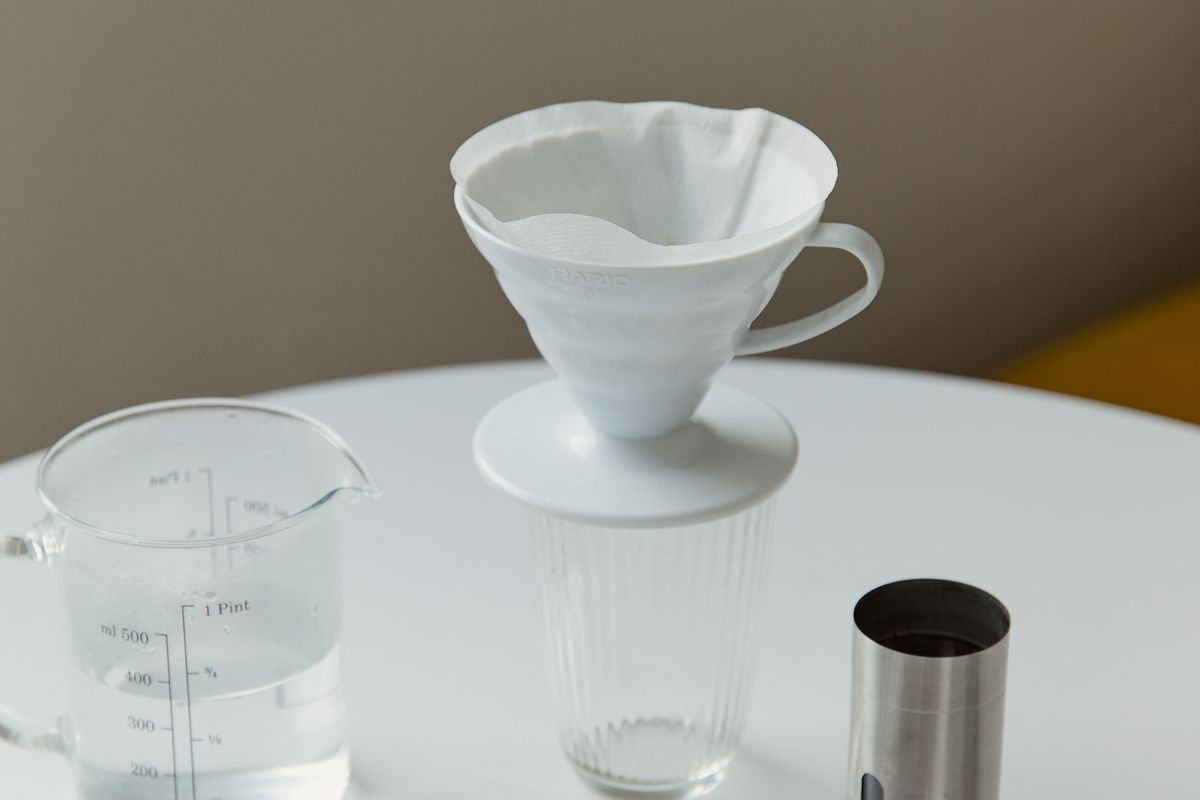
The result: clean, bright and nuanced, which makes it popular for lighter roasts.
How to brew:
- Place a paper filter in the dripper and rinse it with hot water to remove paper taste.
- Add medium-fine ground coffee, about 20 grams for 320 ml of water.
- Pour a little water to wet the grounds, and wait 30 seconds, called the bloom.
- Pour the remaining water slowly in circles, finishing in about 2.5 to 3.5 minutes.
Pros: excellent flavor control. Cons: needs a bit of technique and a gooseneck kettle makes it easier.
Moka Pot
The result: strong, intense coffee, closer to espresso, popular in many homes across Europe and the Mediterranean.
How to brew:
- Fill the bottom chamber with hot water up to just below the safety valve.
- Fill the basket with fine ground coffee, level but not pressed.
- Screw the top on and place the pot on medium-low heat.
- When the coffee begins to flow and sputter, remove it from the heat, and run the base under cold water to stop it.
Pros: affordable, durable and satisfying. Cons: can taste bitter if overheated.
AeroPress
The result: smooth, clean and adaptable. You can change the grind, the time and the water to suit your taste.
Pros: fast, portable and easy to clean, ideal for travel and small kitchens. Cons: makes a single cup at a time.
Drip Coffee Machine
The result: consistent, convenient coffee in larger quantities.
Tips: use a medium grind, measure your coffee and water carefully, and clean the machine regularly, including descaling. Choose a machine that heats water to the right temperature.
Pros: hands-off and ideal for families and gatherings. Cons: less control, and quality varies by machine.
Cold Brew
The result: smooth, naturally sweet and low in acidity.
How to brew:
- Combine 1 part coarsely ground coffee with 8 parts cold water in a jar.
- Stir, cover and refrigerate for 12 to 18 hours.
- Strain through a fine filter.
- Dilute with water or milk to taste, and serve over ice.
Pros: very easy, and it keeps in the fridge for several days. Cons: needs planning ahead.
Turkish or Cezve Coffee
The result: thick, aromatic and strong, served unfiltered in small cups.
How to brew: combine extra-fine coffee, cold water and optional sugar in a small pot called a cezve. Heat slowly, and as the foam rises, remove it from the heat before it boils over. Let it settle for a moment, then pour carefully. Do not drink the grounds at the bottom.
Quick Comparison
- Easiest: French press, drip machine and cold brew
- Cleanest flavor: pour-over and AeroPress
- Strongest: moka pot and Turkish coffee
- Best for travel: AeroPress
- Best for a crowd: drip machine and French press
Fixing Common Problems
- Sour or sharp: under-extracted. Grind finer, use hotter water or brew a little longer.
- Bitter or harsh: over-extracted. Grind coarser, shorten the brew time or lower the temperature slightly.
- Weak or watery: use more coffee or less water.
- Flat and dull: the beans may be stale. Buy fresher coffee.
Change one variable at a time, so you know what made the difference.
Storing Your Beans
- Keep them in an airtight, opaque container away from heat, light and moisture.
- Buy smaller quantities more often rather than a large bag that goes stale.
- Avoid storing beans in the fridge, where they absorb odors and moisture. Freezing sealed portions is possible for longer storage.
Keep Everything Clean
Old coffee oils turn rancid and make fresh coffee taste off. Rinse and wash your equipment after each use, and give it a deeper clean regularly. Descale machines according to the instructions.
A Note on Caffeine
For most healthy adults, up to about 400 mg of caffeine a day, roughly four cups of brewed coffee, is considered moderate. Pregnant women, people with heart conditions or sleep problems and anyone sensitive to caffeine may need less, and should speak to a doctor. Avoid coffee late in the day if it affects your sleep. Decaffeinated beans are a good alternative.
Frequently Asked Questions
What is the best method for beginners?
A French press or an AeroPress is forgiving and gives good results with little practice.
Do I need a scale?
It is not essential, but a simple kitchen scale makes your coffee far more consistent.
Is expensive coffee worth it?
Fresh, well-roasted beans from a trusted roaster usually taste far better, but you do not need the most expensive option to enjoy a great cup.
Can I reuse coffee grounds?
Not for a second cup, since the flavor is spent. They work well in the garden compost or as a mild scrub for pots.
The Takeaway
Choose fresh beans, grind them just before brewing and measure your coffee and water. Pick a method that suits your taste and routine, from the rich French press to the clean pour-over. Adjust one thing at a time, and you will find the cup that is right for you.